

 Language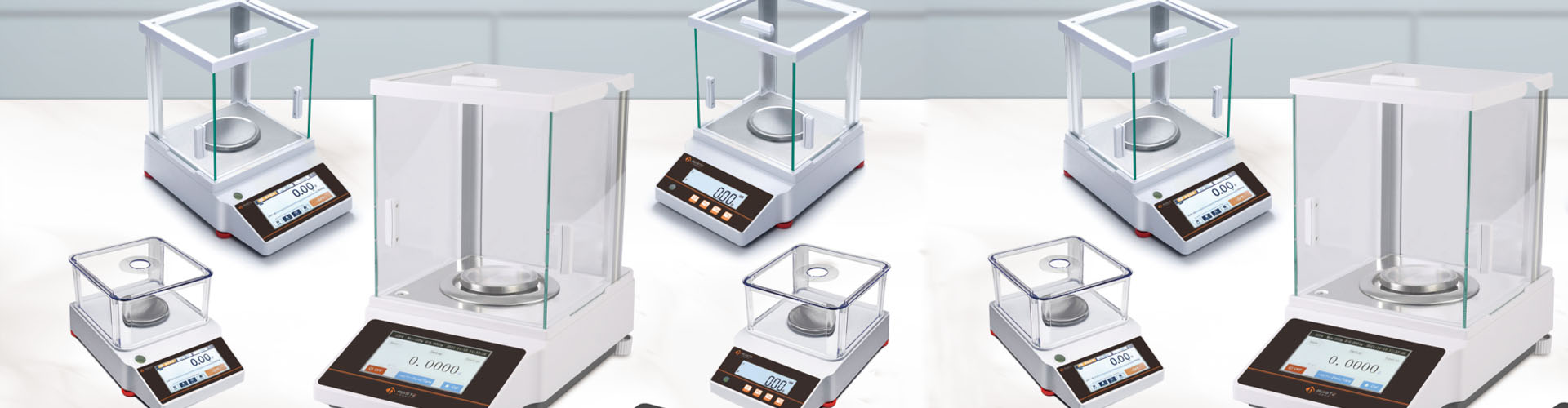
Pruiste is a counting scale factory in china, the counting scale is an electronic weighing device that can automatically calculate the quantity of items. It measures the weight of individual items and then automatically calculates the total quantity of items based on the total weight. This device is widely used in industrial manufacturing, warehousing and logistics, retail industry, and production assembly, and is particularly suitable for situations where a large number of identical items need to be quickly and accurately counted.
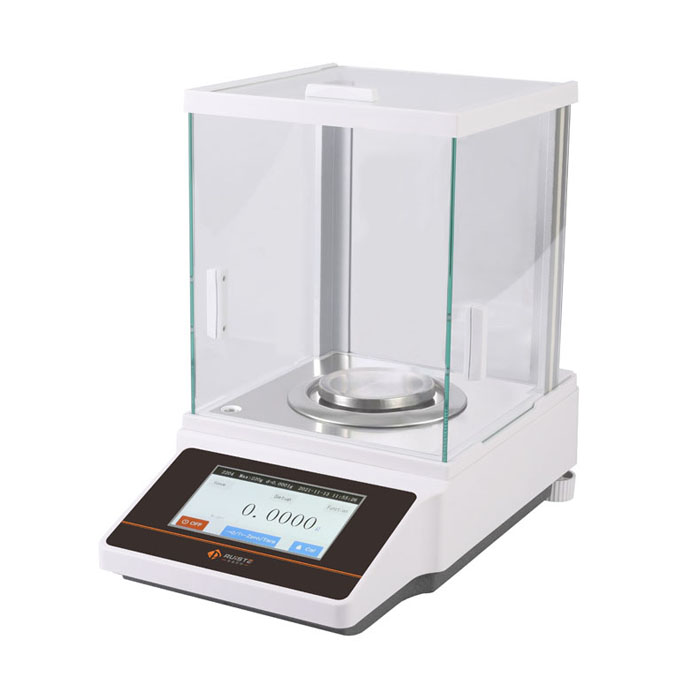
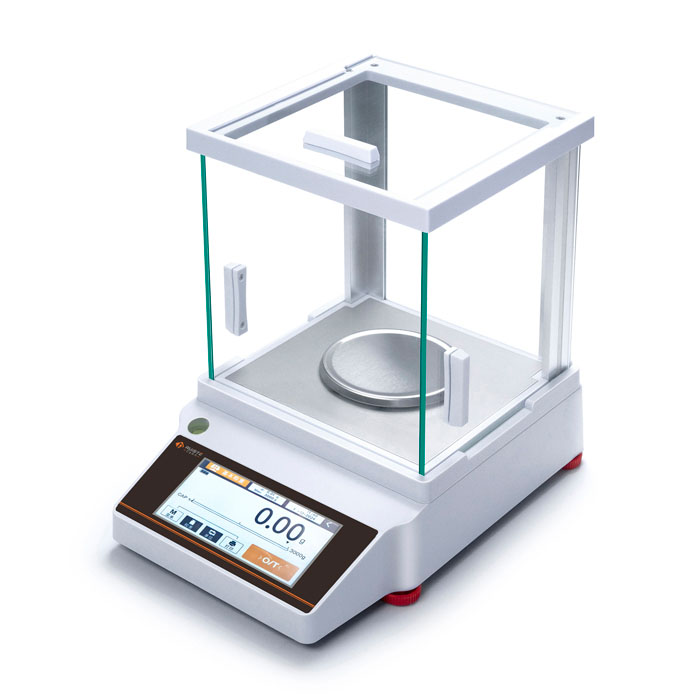

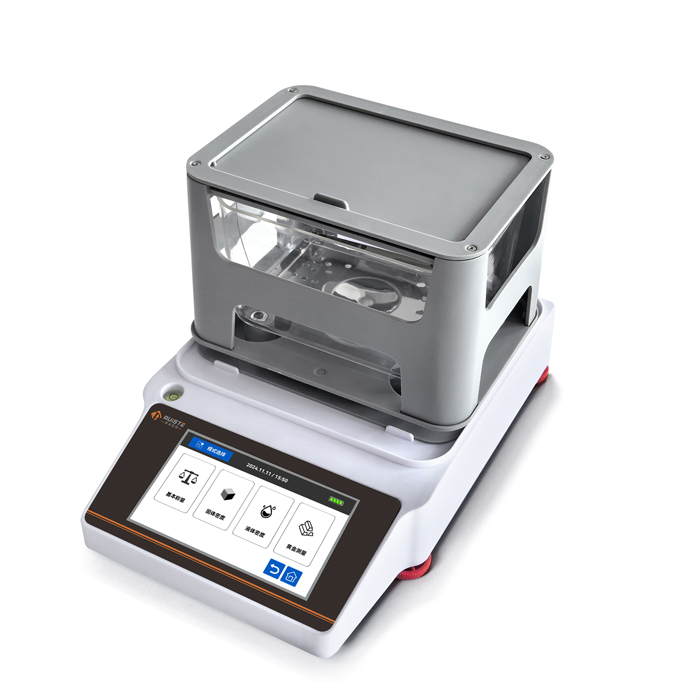
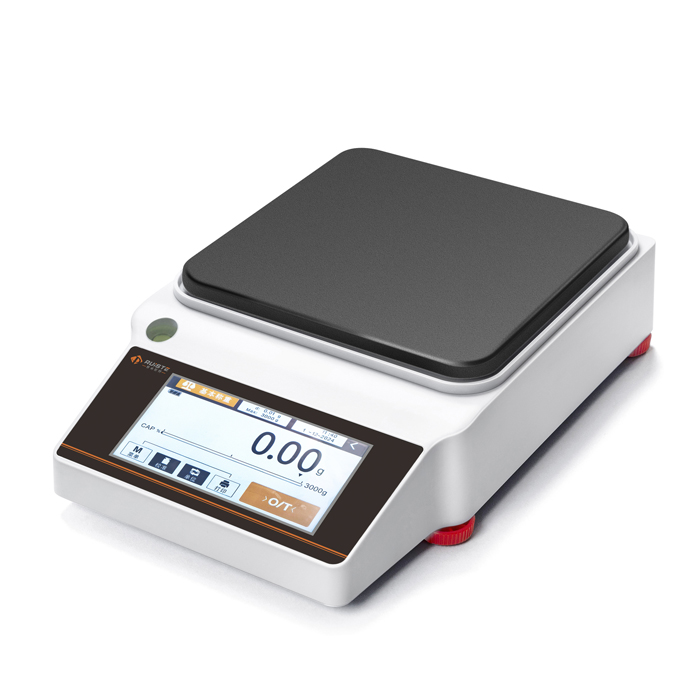
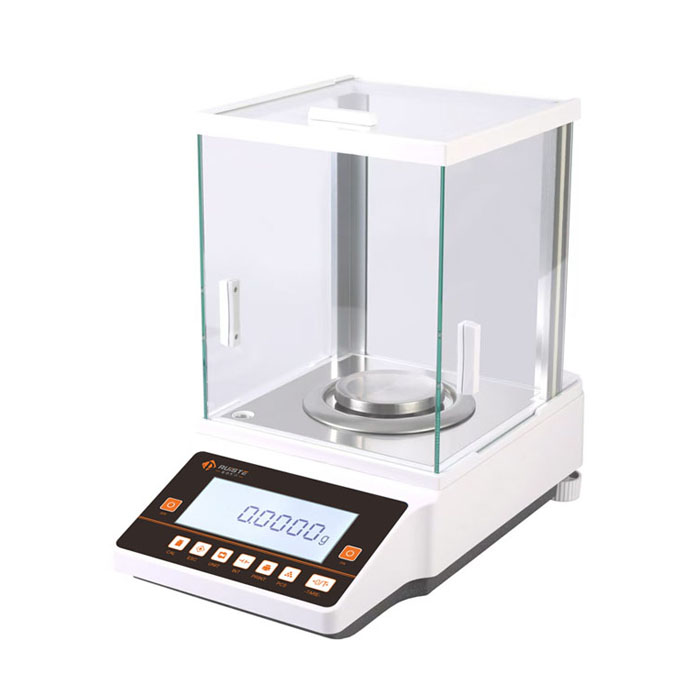
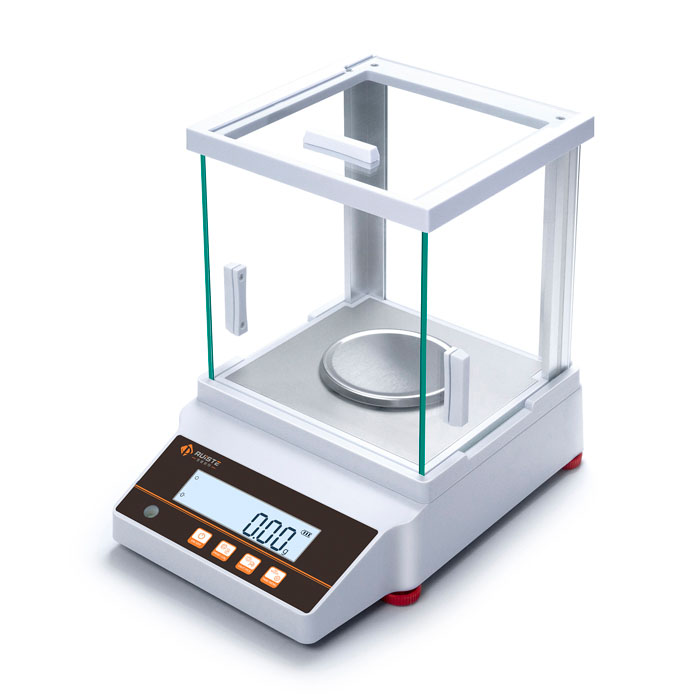
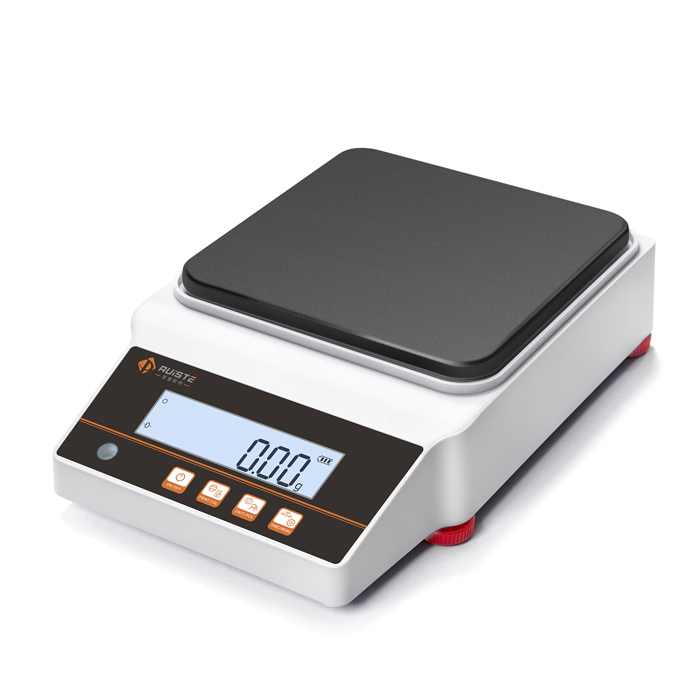
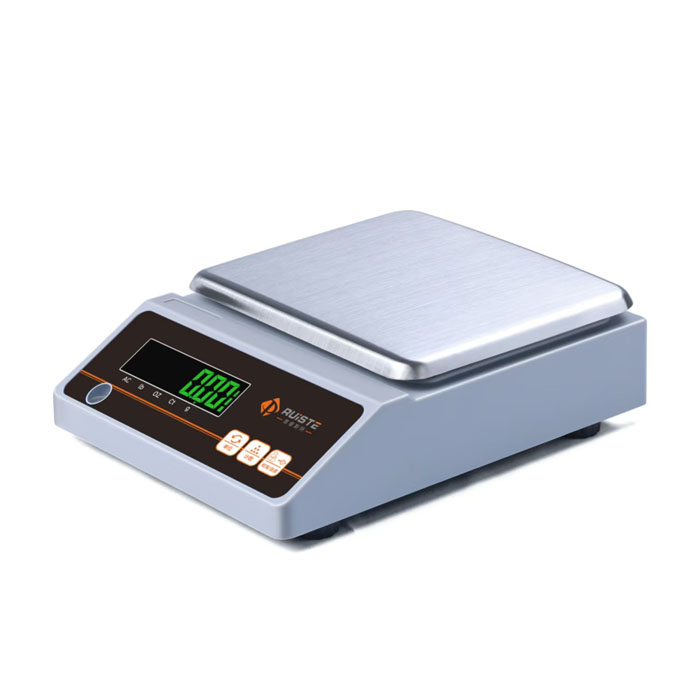
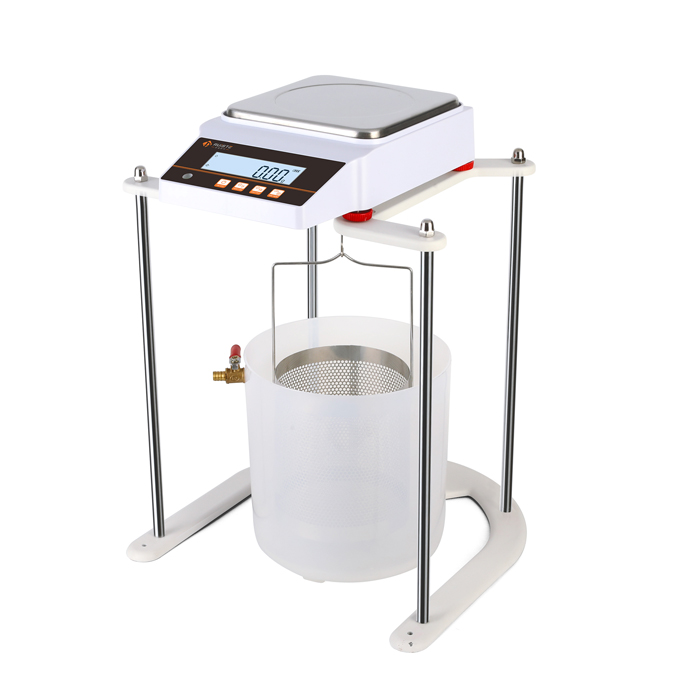
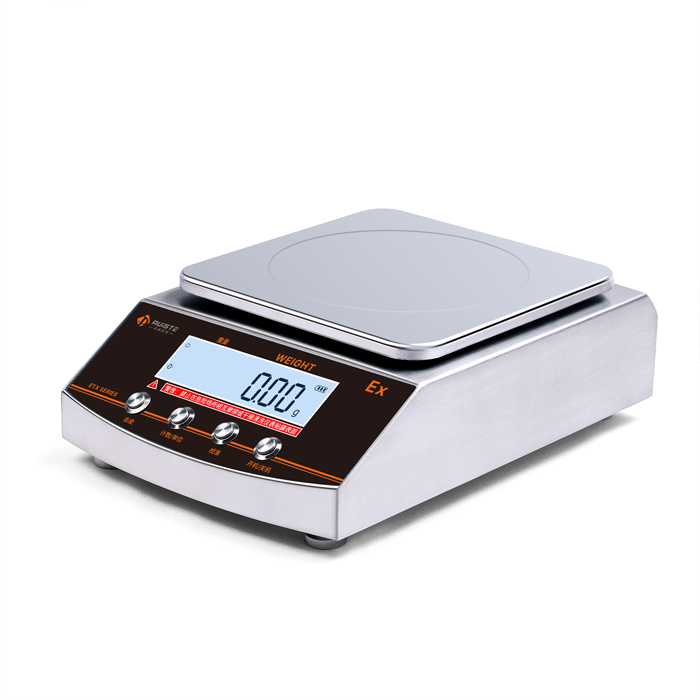
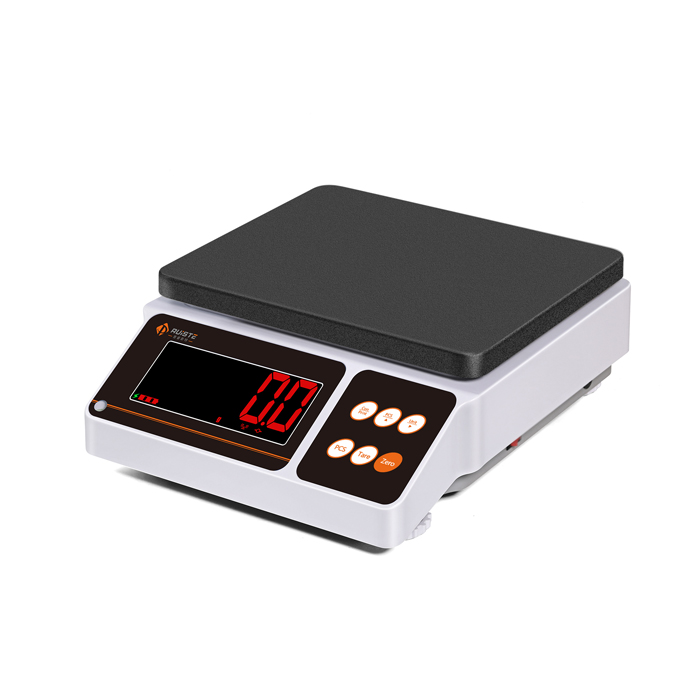
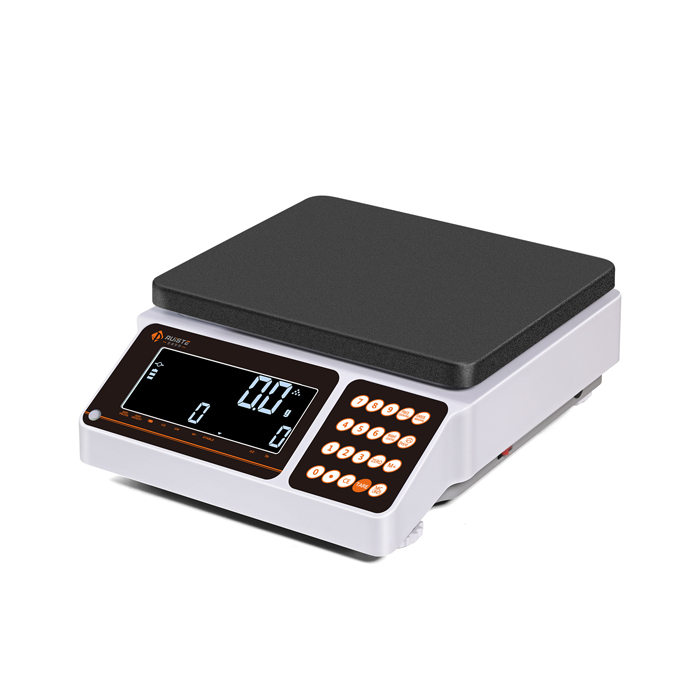
Modern counting scales have developed into various types, from simple desktop models to high-precision industrial grade equipment, meeting the needs of different scenarios. Compared with ordinary electronic scales, counting scales not only have weighing functions, but also can achieve automatic counting through built-in intelligent algorithms, greatly improving work efficiency and accuracy.
The core principle of the counting scale is based on the "average single weight calculation method". The specific workflow is as follows:
The effectiveness of this method depends on the consistency of the weight of the items. When there is a significant difference in the weight of items, the counting accuracy will decrease, so the counting scale is most suitable for standardized products with relatively consistent weight.
When choosing a counting scale, it is important to pay attention to the following key technical indicators:
By understanding the principles, types, and applications of counting scales, users can better choose and use counting equipment that suits their needs, improving work efficiency and accuracy. With the advancement of technology, the functionality and performance of counting scales will continue to improve, providing stronger support for quantity management in various industries.
In the modern industrial and commercial landscape, the need for accurate, efficient, and reliable counting of small to medium-sized items has become increasingly critical. From manufacturing facilities producing tiny electronic components to warehouses managing inventory of hardware parts, from pharmaceutical labs counting pills to retail stores organizing small merchandise, the counting scale has emerged as an indispensable tool that bridges the gap between manual counting inefficiencies and the demand for precision. Unlike traditional weighing scales that focus solely on measuring weight, counting scales integrate advanced weighing technology with intelligent counting algorithms to provide both weight and quantity data, streamlining operations, reducing errors, and enhancing productivity across various sectors.
At its core, a counting scale operates on the basic principle of weight-based counting, which relies on the relationship between the total weight of a batch of identical items and the average weight of a single item. The fundamental formula that governs its functionality is straightforward: Quantity = Total Weight / Average Unit Weight. This simple equation, however, is supported by sophisticated technology to ensure accuracy, especially when dealing with items of small weight or batches of large quantities. To implement this principle effectively, counting scales must first determine the average weight of a single item, a process known as "sampling" or "calibration." During sampling, the user places a known number of identical items on the scale’s platform; the scale then calculates the total weight of these samples and divides it by the number of samples to obtain the average unit weight. This average weight is stored in the scale’s memory, and subsequent batches of the same item are weighed, with the scale automatically computing the quantity by dividing the total weight of the batch by the stored average unit weight.
The accuracy of a counting scale is heavily dependent on the precision of the sampling process and the quality of the scale’s internal components. If the sample size is too small, the average unit weight may be skewed by minor variations in individual item weights, leading to counting errors. For example, if a sample of 10 small screws includes one that is slightly heavier or lighter than the others, the average weight will be inaccurate, and this error will be multiplied when counting large batches of hundreds or thousands of screws. To mitigate this, most counting scales recommend using a sample size of at least 10 items, and for items with greater weight variation, a larger sample size (such as 20, 50, or even 100 items) is advisable. Additionally, the scale’s ability to measure weight with high precision directly impacts counting accuracy—scales with higher resolution (the smallest increment of weight the scale can detect) are better suited for counting tiny items, as they can capture subtle differences in weight that would be missed by lower-resolution scales.
The structural components of a counting scale work together to ensure accurate weight measurement and efficient counting. The key components include the weighing platform, load cell, analog-to-digital (A/D) converter, microprocessor, display, keypad, and memory. The weighing platform is the surface on which items are placed; it is typically made of durable materials such as stainless steel, carbon steel, or ABS plastic, depending on the application environment. Stainless steel platforms are ideal for industrial settings where exposure to moisture, chemicals, or debris is common, as they are corrosion-resistant and easy to clean. Carbon steel platforms offer strength and durability for heavy-duty applications, while ABS plastic platforms are lightweight and cost-effective for lighter-duty use in retail or office settings.
The load cell is the heart of the counting scale, responsible for converting the mechanical force of weight into an electrical signal. Most counting scales use strain gauge load cells, which consist of a metal beam (usually made of aluminum or steel) with strain gauges attached to its surface. When weight is applied to the platform, the beam bends slightly, causing the strain gauges to stretch or compress. This deformation changes the electrical resistance of the strain gauges, which is converted into a voltage signal. The quality of the load cell directly affects the scale’s accuracy, repeatability (the ability to produce the same measurement for the same weight), and stability (the ability to maintain accuracy over time). High-quality load cells are designed to minimize the effects of temperature changes, vibration, and mechanical wear, ensuring consistent performance even in harsh environments.
The analog-to-digital (A/D) converter takes the analog voltage signal from the load cell and converts it into a digital signal that the microprocessor can process. The resolution of the A/D converter determines how precisely the analog signal is converted into a digital value—higher resolution converters can detect smaller changes in weight, leading to more accurate counting. For example, a 24-bit A/D converter can resolve weight changes much more precisely than a 16-bit converter, making it suitable for counting very small items such as electronic components or pharmaceutical pills.
The microprocessor is the "brain" of the counting scale, responsible for processing the digital weight signal, calculating the average unit weight, and determining the quantity of items. It also controls the scale’s other functions, such as zeroing the scale (resetting the weight display to zero when the platform is empty), tare (subtracting the weight of a container to measure only the weight of the items inside), and storing average unit weights for multiple items. Many modern counting scales feature advanced microprocessors with built-in algorithms to filter out noise and vibration, ensuring stable and accurate readings even in noisy industrial environments. For example, some scales use Kalman filtering algorithms to reduce the impact of external vibrations, which can cause weight readings to fluctuate and lead to counting errors.
The display and keypad are the user interface of the counting scale, allowing users to input commands, view weight and quantity data, and access additional functions. Displays typically range from simple LED screens to more advanced LCD or dot-matrix displays that can show multiple lines of information, including total weight, average unit weight, quantity, and error messages. Backlit displays are particularly useful in low-light environments, such as warehouses or manufacturing facilities with poor lighting. The keypad usually includes buttons for power, zero, tare, sample size selection, memory recall, and unit conversion (between grams, kilograms, pounds, ounces, etc.). Some scales also feature touchscreen interfaces for easier operation, especially in settings where users need to quickly switch between functions.
Memory is another important component of counting scales, as it allows the scale to store average unit weights for multiple items, eliminating the need to re-calibrate the scale each time a different item is counted. The amount of memory varies by model, with some scales capable of storing hundreds or even thousands of item profiles. This feature is particularly useful in warehouses or manufacturing facilities where multiple types of items are counted regularly, as it saves time and reduces the risk of errors associated with repeated sampling.
Counting scales are available in a variety of types, each designed to meet specific application requirements. The primary classification criteria include capacity, resolution, application environment, and functionality. Based on capacity, counting scales can be divided into three main categories: small-capacity, medium-capacity, and large-capacity scales. Small-capacity counting scales typically have a maximum weight capacity of up to 5 kg and high resolution, making them suitable for counting tiny items such as electronic components (resistors, capacitors, diodes), pharmaceutical pills, jewelry, and small hardware parts (screws, nuts, washers). These scales often have a resolution of 0.1 grams or better, allowing for accurate counting of items that weigh just a few milligrams.
Medium-capacity counting scales have a maximum weight capacity between 5 kg and 50 kg, with a resolution ranging from 0.1 grams to 1 gram. They are commonly used in manufacturing facilities for counting medium-sized items such as small tools, plastic parts, and packaged goods. These scales balance accuracy and capacity, making them versatile for a wide range of applications. Large-capacity counting scales have a maximum weight capacity of 50 kg or more, with a resolution of 1 gram or higher. They are designed for counting heavy items such as large hardware parts, automotive components, and bulk packages. While their resolution is lower than small-capacity scales, they are capable of handling large batches of items efficiently, making them ideal for warehouses and distribution centers.
Based on the application environment, counting scales can be classified as industrial, commercial, and laboratory-grade. Industrial counting scales are designed to withstand harsh conditions such as high temperatures, humidity, dust, vibration, and exposure to chemicals or oils. They typically feature rugged construction, corrosion-resistant materials (such as stainless steel), and protective enclosures with high ingress protection (IP) ratings. For example, scales with an IP65 rating are dust-tight and protected against low-pressure water jets, making them suitable for use in manufacturing plants, workshops, and outdoor warehouses. Commercial counting scales are designed for use in retail stores, pharmacies, and small warehouses, where the environment is relatively clean and stable. They are often lightweight, compact, and easy to use, with features such as battery power for portability.
Laboratory-grade counting scales are designed for high-precision applications in scientific research, pharmaceutical development, and quality control. These scales have extremely high resolution (often 0.01 grams or better) and are designed to minimize the effects of environmental factors such as temperature, humidity, and vibration. They are typically used in laboratories to count small samples, such as pills, powders, or tiny experimental components, where accuracy is critical.
In terms of functionality, counting scales can be divided into basic, advanced, and specialized models. Basic counting scales offer core functions such as weight measurement, counting, zero, and tare, making them suitable for simple applications where high precision is not required. Advanced counting scales include additional features such as memory storage for multiple item profiles, data logging (recording weight and quantity data for later analysis), connectivity options (such as RS232, USB, or Ethernet), and compatibility with other equipment (such as printers, barcode scanners, or inventory management software). These scales are ideal for applications that require data tracking and integration with other systems, such as warehouse inventory management or manufacturing quality control.
Specialized counting scales are designed for specific industries or applications. For example, waterproof counting scales are used in food processing plants, where the scale may come into contact with water or cleaning chemicals. These scales have sealed enclosures and waterproof components to prevent damage from moisture. High-speed counting scales are used in manufacturing lines where items are moving quickly, such as conveyor belts, and require fast and accurate counting to keep up with production rates. These scales often have high sampling rates (up to 92 updates per second) and advanced algorithms to process weight data quickly.
The applications of counting scales are diverse and span across multiple industries, each with unique requirements and challenges. In the manufacturing industry, counting scales play a crucial role in ensuring accurate production of components and finished goods. For example, in electronic manufacturing, counting scales are used to count resistors, capacitors, and other tiny components that are used in circuit boards. Accurate counting ensures that each circuit board has the correct number of components, reducing defects and improving product quality. In automotive manufacturing, counting scales are used to count small parts such as screws, washers, and bearings, which are used in the assembly of vehicles. This helps to ensure that each vehicle is assembled with the correct number of parts, preventing delays in production and reducing the risk of recalls.
In the pharmaceutical industry, counting scales are essential for ensuring the accurate counting of pills, capsules, and other pharmaceutical products. The pharmaceutical industry has strict requirements for accuracy, as incorrect counts can lead to dosage errors and pose risks to patient safety. Counting scales used in this industry are often laboratory-grade, with high precision and features such as data logging to track production batches. They are also designed to be easy to clean and sanitize, to meet hygiene standards.
In the warehouse and logistics industry, counting scales are used to manage inventory, track incoming and outgoing goods, and ensure accurate order fulfillment. For example, when receiving a shipment of small parts, warehouse staff can use a counting scale to verify the quantity of items, ensuring that the shipment matches the order. When fulfilling orders, counting scales are used to count the correct number of items for each order, reducing errors and improving customer satisfaction. Counting scales with connectivity options can be integrated with inventory management software, allowing for real-time updates of inventory levels and automated data entry, which streamlines warehouse operations.
In the retail industry, counting scales are used in stores that sell small items such as hardware, jewelry, and craft supplies. Retailers can use counting scales to count items for inventory, price items based on quantity, and verify the number of items sold. For example, a hardware store can use a counting scale to count screws or nails, allowing them to price items by the piece or by weight. In jewelry stores, counting scales are used to count small pieces of jewelry such as beads or charms, ensuring accurate inventory management.
In the food processing industry, counting scales are used to count food items such as candy, cookies, and small packaged foods. For example, a candy factory can use a counting scale to count the number of candies in each package, ensuring that each package contains the correct number of items. Counting scales used in this industry are often waterproof and easy to clean, to meet food safety standards. They may also have features such as high-speed counting to keep up with production lines.
In the laboratory and research industry, counting scales are used for a variety of applications, such as counting small samples, measuring the weight of experimental components, and ensuring accurate dosing of chemicals. Laboratory-grade counting scales are designed to provide high precision and stability, even in controlled environments. They may also have features such as data logging and connectivity to laboratory information management systems (LIMS), allowing for easy tracking and analysis of experimental data.
To ensure accurate and reliable performance, it is important to use counting scales correctly and follow proper operational guidelines. The first step in using a counting scale is to select the appropriate scale for the application, based on factors such as the size and weight of the items, the required accuracy, and the environment. Once the scale is selected, it is important to calibrate it regularly to ensure accuracy. Calibration involves adjusting the scale to ensure that it measures weight correctly, and it should be done at least once every 3 to 12 months, depending on the frequency of use and the environment. Some scales have built-in calibration functions, while others require the use of calibration weights.
When using a counting scale, the sampling process is critical to accuracy. As mentioned earlier, the sample size should be sufficient to ensure that the average unit weight is representative of the entire batch. For items with minimal weight variation, a sample size of 10 to 20 items may be sufficient, while for items with greater variation, a sample size of 50 to 100 items may be needed. It is also important to ensure that the sample items are identical to the items being counted—any variation in size, weight, or shape can affect the average unit weight and lead to counting errors.
Another important operational guideline is to ensure that the weighing platform is clean and free of debris. Debris such as dust, dirt, or small pieces of material can add extra weight to the platform, leading to inaccurate readings. The platform should be cleaned regularly with a soft cloth and a mild cleaning solution, avoiding harsh chemicals that may damage the surface. It is also important to ensure that the platform is level, as an unlevel platform can cause weight to be distributed unevenly, leading to inaccurate measurements. Most counting scales have built-in level indicators, allowing users to adjust the scale’s feet to ensure levelness.
When counting items, it is important to place them on the platform evenly, avoiding overloading the scale. Overloading can damage the load cell and lead to permanent inaccuracies. The maximum weight capacity of the scale should never be exceeded, and users should be aware of the scale’s capacity when counting large batches of items. It is also important to allow the scale to stabilize before taking a reading—most scales have a stability indicator that shows when the weight reading is stable. Taking a reading before the scale stabilizes can lead to inaccurate counts.
Tare function is another useful feature that should be used correctly. The tare function allows users to subtract the weight of a container from the total weight, so that only the weight of the items inside the container is measured. This is particularly useful when counting items that are stored in a container, such as a box or a bag. To use the tare function, place the empty container on the platform, press the tare button, and the scale will reset the display to zero. Then, add the items to the container, and the scale will display the weight and quantity of the items only.
Proper maintenance is essential to extend the lifespan of a counting scale and ensure consistent performance. Regular maintenance tasks include cleaning the platform and keypad, checking the load cell for damage or wear, inspecting the cables and connections for signs of damage, and replacing batteries (if the scale is battery-powered). It is also important to store the scale in a clean, dry environment when not in use, avoiding exposure to extreme temperatures, humidity, or vibration. For industrial scales used in harsh environments, additional maintenance may be required, such as checking the protective enclosure for damage and ensuring that the scale is properly sealed to prevent moisture or debris from entering.
Troubleshooting common issues is also an important part of using counting scales. Some common issues include inaccurate counts, unstable readings, and error messages. Inaccurate counts can often be attributed to incorrect sampling, a dirty or unlevel platform, or a need for calibration. Unstable readings may be caused by vibration, air flow, or electromagnetic interference. Error messages may indicate issues such as overloading, low batteries, or a malfunctioning load cell. In most cases, these issues can be resolved by following the manufacturer’s troubleshooting guidelines, which may include recalibrating the scale, cleaning the platform, or checking the connections.
The future of counting scales is shaped by advancements in technology, with a focus on increased accuracy, connectivity, and智能化. One of the key trends is the integration of counting scales with the Internet of Things (IoT), allowing for real-time data monitoring and remote control. IoT-enabled counting scales can send weight and quantity data to a cloud-based platform, where it can be accessed by users from anywhere, using a computer or mobile device. This allows for better inventory management, as users can track inventory levels in real time and receive alerts when stock is low. It also enables predictive maintenance, as the scale can send data about its performance, allowing users to identify potential issues before they become major problems.
Another trend is the development of more advanced algorithms and sensors, which improve the accuracy and speed of counting. For example, some modern counting scales use machine learning algorithms to analyze weight data and adjust the average unit weight in real time, reducing errors caused by variations in individual item weights. Advanced sensors, such as capacitive sensors, are also being used to improve the accuracy of weight measurement, especially for very small items. Additionally, the use of touchscreen interfaces and voice control is becoming more common, making counting scales easier to use and reducing the risk of human error.
The miniaturization of counting scales is another emerging trend, with smaller, more portable models being developed for use in field applications or small workspaces. These portable scales are often battery-powered and feature compact designs, making them easy to carry and use in locations where a traditional scale would be impractical. For example, field technicians can use portable counting scales to count components on-site, while small business owners can use them in mobile workshops or pop-up stores.
In addition to technological advancements, there is also a growing focus on sustainability in the design and manufacturing of counting scales. Manufacturers are using more eco-friendly materials, such as recycled plastics and energy-efficient components, to reduce the environmental impact of their products. They are also designing scales with longer lifespans, reducing the need for frequent replacement and minimizing waste. Additionally, some scales are designed to be energy-efficient, using less power and extending battery life, which reduces the use of disposable batteries and lowers energy costs.
As industries continue to evolve and demand higher levels of accuracy and efficiency, counting scales will remain an essential tool. From manufacturing and pharmaceuticals to retail and logistics, the ability to count items quickly and accurately is critical to success. By understanding the principles, types, applications, and maintenance practices of counting scales, users can leverage this technology to streamline operations, reduce errors, and improve productivity. With ongoing technological advancements, counting scales will continue to become more accurate, intelligent, and versatile, meeting the changing needs of industries around the world.
In conclusion, counting scales are a vital component of modern industrial and commercial operations, offering a reliable and efficient solution for counting items of all sizes. Their ability to combine weight measurement with intelligent counting algorithms makes them indispensable in a wide range of applications, from small-scale retail to large-scale manufacturing. By following proper operational guidelines and maintenance practices, users can ensure that their counting scales provide accurate and consistent performance for years to come. As technology continues to advance, counting scales will evolve to meet the growing demands of industries, offering even greater accuracy, connectivity, and functionality. Whether used in a laboratory, a warehouse, a manufacturing plant, or a retail store, counting scales play a crucial role in ensuring precision, efficiency, and productivity in today’s fast-paced world.
 Chinese Mobile
 Whatsapp Service
 WeChat Service


