

 Language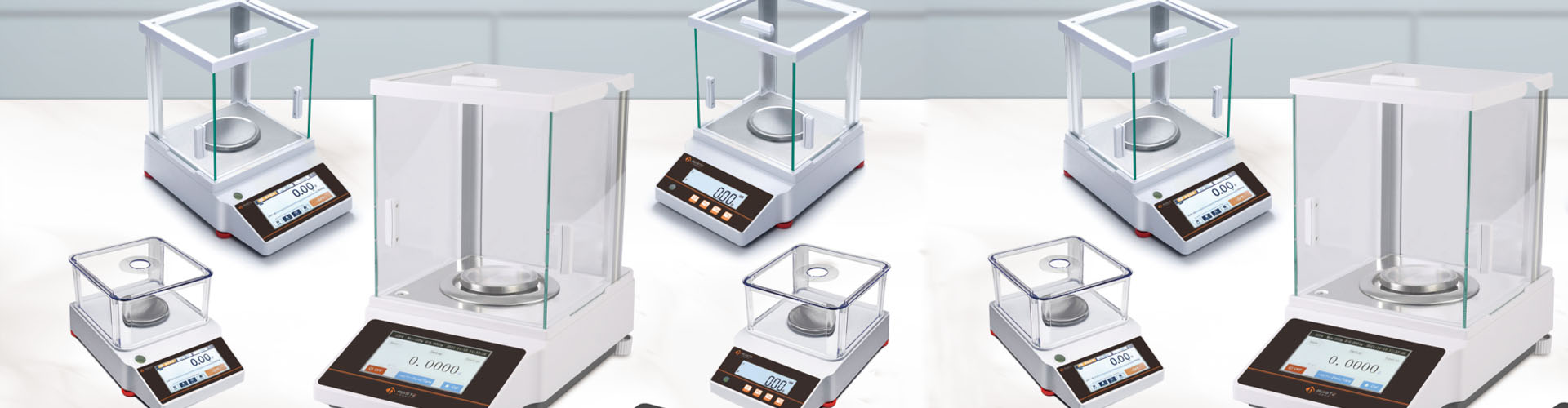
Pruiste is a electronic balance factory in china, electronic balance is a precision instrument that uses the principle of electromagnetic force balance for mass measurement, and has become an indispensable measuring tool in modern laboratories, industrial production, and scientific research. Compared to traditional mechanical scales, electronic balance have significant advantages such as high accuracy, easy operation, and rich functions.
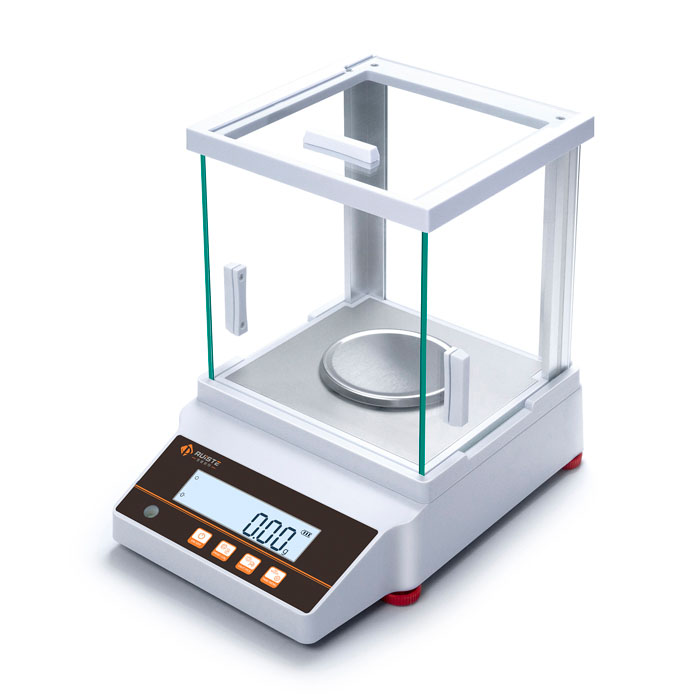
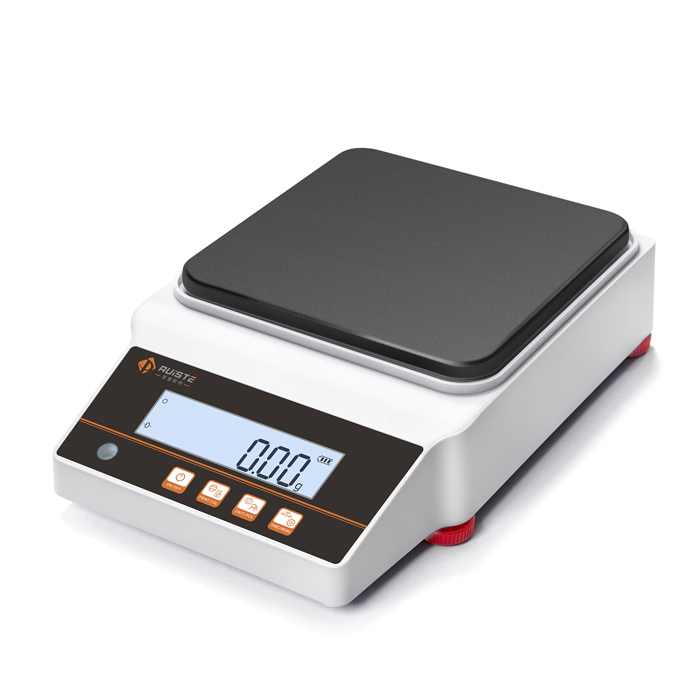
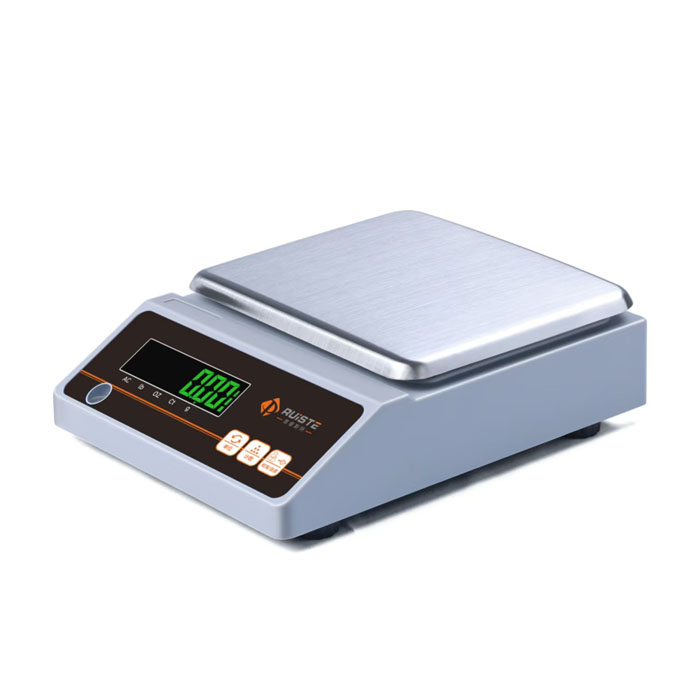
The core components of an electronic balance include a weighing sensor, an electromagnetic force compensation system, an analog-to-digital converter, and a microprocessor. When an object is placed on a weighing plate, the sensor converts the gravity signal into an electrical signal. After amplification and analog-to-digital conversion, the microprocessor calculates and displays the mass value.
With the advancement of technology, electronic balance is developing towards higher precision, stronger functionality, and more convenient operation, providing more reliable solutions for precise measurements in various industries. When choosing an electronic balance, factors such as accuracy, range, and functionality should be considered based on actual needs to ensure that the most suitable product is selected.
In the modern world of scientific research, industrial production, and quality control, electronic balances have become indispensable tools that provide accurate and reliable mass measurement. Unlike traditional mechanical balances, which rely on lever principles and manual operation, electronic balances integrate advanced electronic technology, sensor technology, and computer processing to achieve higher precision, faster response, and greater operational convenience. These instruments have penetrated various fields, from laboratory analysis to industrial manufacturing, from medical testing to food processing, playing a crucial role in ensuring data accuracy, optimizing production processes, and improving product quality.
The core working principle of electronic balances is based on the electromagnetic force balance principle, which is the fundamental difference from traditional mechanical balances. When an object is placed on the weighing pan, its gravity acts on the sensor, causing a slight displacement or deformation of the internal coil. The position detector inside the sensor captures this tiny change and converts it into a weak electrical signal. This signal is then amplified by a high-precision amplifier and transmitted to the microprocessor. The microprocessor processes the signal and adjusts the current in the coil, which generates an electromagnetic force in a constant magnetic field. This electromagnetic force is opposite to the gravity of the object, and the system continuously adjusts until the two forces reach a state of balance. At this point, the current in the coil is proportional to the mass of the object, and the microprocessor converts this current into a digital signal, which is finally displayed as the mass value on the screen. This closed-loop control system ensures that the measurement is fast and accurate, with minimal human error compared to mechanical balances.
In addition to the electromagnetic force balance principle, some electronic balances also adopt other balance principles to meet different application needs. For example, elastic force balance principles are used in torsion balances, spring balances, and strain gauge balances, which measure mass through the deformation of elastic elements. Hydrostatic equilibrium principles are applied in barometric balances and liquid static balances, which measure mass through the static equilibrium of fluids. Inertial measurement principles are used in inertial balances, which measure mass based on the inertia of objects. However, the electromagnetic force balance principle is the most widely used in modern electronic balances due to its high precision, good stability, and wide measurement range. This principle allows electronic balances to achieve precision levels that are difficult to reach with mechanical balances, making them suitable for various high-precision measurement scenarios.
Electronic balances can be classified into different types according to multiple criteria, including use, operation mode, balance principle, structural characteristics, and precision level. This classification helps users select the appropriate electronic balance for their specific needs. According to the use, electronic balances can be divided into general-purpose balances and special-purpose balances. General-purpose balances are used for high-precision or medium-precision quality testing in daily chemical analysis, physical analysis, and industrial quality control. They include analytical balances and industrial physical balances. Analytical balances are designed for precise analysis, including constant, semi-micro, micro, and ultra-micro balances, which can measure samples with extremely small masses. Industrial physical balances, on the other hand, are used for general quality testing with relatively low precision requirements. Special-purpose balances are limited to specific applications, such as standard balances for mass calibration, gold test balances for measuring precious metals, carat balances for gemstone measurement, and animal balances for weighing living organisms, each tailored to meet specific measurement needs.
According to the operation mode, electronic balances are divided into non-automatic balances and automatic balances. Non-automatic balances require operator intervention to take measurements, such as manually placing the sample on the weighing pan and reading the result. Automatic balances, however, can perform measurements and recordings without operator intervention, with functions such as automatic sample feeding, automatic weighing, and automatic data recording. These balances are widely used in automated production lines and large-scale testing laboratories to improve work efficiency and reduce human error. According to the structural characteristics, electronic balances can be divided into lever-type and electronic-type. Lever-type electronic balances combine the lever principle with electronic technology, while electronic-type balances fully rely on electromagnetic force balance and electronic signal processing, with a more compact structure and higher precision.
Precision level is another important classification criterion for electronic balances, which determines their application scope. Common precision levels include micro balances, semi-micro balances, analytical balances, and precision balances. Micro balances have a measurement range of usually a few grams to tens of grams, with a readability of 0.1 μg or higher, suitable for measuring extremely small samples such as biological molecules and nanomaterials. Semi-micro balances have a measurement range of tens of grams to hundreds of grams, with a readability of 0.01 mg to 0.1 mg, widely used in chemical analysis and pharmaceutical research. Analytical balances have a measurement range of 100 g to 200 g, with a readability of 0.1 mg, which is the most commonly used precision balance in laboratories. Precision balances have a measurement range of hundreds of grams to several kilograms, with a readability of 1 mg to 10 mg, suitable for industrial quality control and general laboratory use.
To fully understand the performance of electronic balances, it is necessary to grasp their key technical indicators. These indicators include weighing range, readability, verification division, minimum weighing, repeatability, linearity, and stability. The weighing range refers to the maximum and minimum mass that the electronic balance can measure accurately. Different types of electronic balances have different weighing ranges, and users need to select according to their actual measurement needs. Readability, also known as the display division, is the smallest increment that the electronic balance can display. It directly reflects the precision of the balance, with smaller readability indicating higher precision. For example, a balance with a readability of 0.1 mg can display mass values with an accuracy of 0.0001 g.
The verification division is the smallest increment recognized by legal metrological verification, which is specified by international standards such as OIML R76. It is usually larger than or equal to the readability, and the relationship between the two is generally d < e ≤ 10d, where d is the readability and e is the verification division. The minimum weighing is the smallest sample mass that the electronic balance can measure while meeting the precision requirements. If the sample mass is less than the minimum weighing, the measurement error may exceed the allowable range. The minimum weighing is related to the precision level of the balance, and for Class I and II electronic balances, it is generally 20d, 50d, or 100d. Repeatability refers to the consistency of measurement results when the same sample is weighed multiple times under the same conditions. It is an important indicator of the stability of the balance, usually expressed by the standard deviation of multiple measurement results.
Linearity refers to the deviation between the actual measurement value and the theoretical value of the electronic balance within the entire weighing range. A good linearity ensures that the balance maintains consistent precision throughout the measurement range. Stability refers to the ability of the electronic balance to maintain its measurement accuracy over a period of time, including short-term stability and long-term stability. Short-term stability refers to the stability of the display value when the balance is in a static state, while long-term stability refers to the change in precision over months or years of use. These technical indicators are interrelated and together determine the overall performance of the electronic balance.
Electronic balances have a wide range of applications, covering scientific research, industrial production, medical and health, education, and daily life. In the field of scientific research and laboratories, electronic balances are the core equipment for quantitative experiments. In chemical analysis, they are used to accurately weigh reagents and samples for titration analysis, element detection, and weight measurement. For example, in atomic absorption spectroscopy (AAS) sample pretreatment, it is necessary to weigh samples with an accuracy of ±0.0001 g to ensure the reliability of detection results. In biological experiments, electronic balances are used to precisely control the dosage of reagents in cell culture, protein quantification, and PCR reactions, where the weighing error must be controlled within 1% to ensure the success of the experiment.
In material science, electronic balances are used to measure the density of nanomaterials, polymer composites, and other materials. By combining the Archimedes principle, the mass of the sample in air and liquid is measured, and the density of the material is calculated. In environmental science, electronic balances are used to weigh soil, sludge, dust, and filter membrane samples for the determination of heavy metals, organic matter, and suspended solids. The high precision of electronic balances ensures the accuracy of environmental monitoring data, providing a reliable basis for environmental pollution traceability and governance. In the field of industrial manufacturing and quality control, electronic balances play a crucial role in ensuring product quality.
In the pharmaceutical industry, electronic balances are used to weigh raw materials, intermediates, and finished products to ensure the accuracy of dosages. In the production of tablets, the weight difference of each tablet must be controlled within ±5%, and electronic balances are used to monitor the production process in real time. In the food processing industry, electronic balances are used in formula research and development, additive weighing, and packaging testing to ensure the consistency of product quality. For example, in chocolate production, the weighing error of powdered sugar must be ≤0.1 g to avoid differences in taste. In the electronic component manufacturing industry, high-precision electronic balances are used to weigh tiny components such as resistors and capacitors, ensuring the accuracy of assembly. For example, the weight of a 0402 size chip resistor is only 0.003 g, which requires a balance with a readability of 0.1 mg for accurate measurement.
In the medical and health field, electronic balances are widely used in clinical testing and pharmaceutical preparation. In hospital laboratories, they are used to weigh blood, urine, and other samples, cooperating with biochemical analyzers to complete detection. For example, in hemoglobin determination, it is necessary to weigh 0.02 g of sample with an accuracy of ±0.0001 g. In intravenous drug preparation centers, electronic balances are used to weigh powdered drugs to ensure the accuracy of infusion concentration. In the field of education, electronic balances have replaced traditional tray balances in middle school and primary school physics and chemistry experiments, simplifying the operation process and improving experimental efficiency. In vocational colleges, the operation of electronic balances is included in the training courses for chemical engineering and pharmaceutical majors to cultivate students' precision weighing skills.
The accurate operation of electronic balances is crucial to ensuring measurement results, and users need to follow strict operational specifications. Before use, the electronic balance should be placed on a stable, level table away from vibration sources, air currents, direct sunlight, and strong electromagnetic interference. The table should be able to bear the weight of the balance and avoid deformation. The balance should be leveled using the level bubble and adjustable feet to ensure that the weighing pan is horizontal. Before weighing, the balance needs to be preheated for a certain period of time. The preheating time varies according to the precision level of the balance: balances with a readability of 0.01 mg need to be preheated for at least 5 hours, and ultra-micro balances with a readability of 0.001 mg need to be preheated for more than 24 hours until the display value is stable without one-way drift.
After preheating, the balance should be zeroed to ensure that the display value is zero when there is no load on the weighing pan. When placing the sample, it should be placed in the center of the weighing pan to avoid uneven force on the sensor. The sample should be handled with tweezers or gloves to prevent fingerprints, sweat, or other contaminants from affecting the measurement results. For liquid or volatile samples, they should be placed in a sealed container to avoid evaporation or spillage. When weighing, the sample should be placed gently to avoid impacting the sensor, which may damage the balance. After weighing, the sample should be removed in a timely manner, and the weighing pan and wind shield should be cleaned to prevent the accumulation of dust and contaminants.
Calibration is an important link to ensure the accuracy of electronic balances, which should be carried out regularly and when the balance is moved or the environment changes significantly. Calibration can be divided into internal calibration and external calibration. Internal calibration is performed by the balance's built-in calibration weight, and the user only needs to press the calibration key to start the self-calibration program. However, the built-in calibration weight may be contaminated or worn after long-term use, which may introduce errors. External calibration uses an independent standard weight (such as F1 level weight) to directly load the weighing pan, and the electronic system automatically calibrates the gravity acceleration and precision. Due to the traceability of the standard weight, external calibration has higher accuracy and is the mainstream calibration method for high-precision balances.
Calibration should be carried out under stable environmental conditions, and the standard weight should be handled with care to avoid damage or contamination. The calibration frequency depends on the use environment and frequency: commercial equipment should be calibrated at least once a quarter, and laboratory equipment should be calibrated at least once a year. In addition, when the temperature changes by more than 2℃ or the balance is moved, calibration should be performed immediately to ensure measurement accuracy. The calibration results should be recorded in detail, including the calibration date, standard weight information, and calibration data, for future reference and traceability.
Proper maintenance can extend the service life of electronic balances and maintain their measurement accuracy. Daily maintenance includes cleaning, inspection, and environmental control. The weighing pan, wind shield, and other detachable parts should be cleaned regularly with a soft brush or mild detergent to remove dust and contaminants. For corrosive samples, the weighing pan should be cleaned immediately after use to avoid corrosion. The balance should be inspected regularly for loose screws, damaged wires, and other problems, and timely maintenance should be carried out. The use environment of the balance should be controlled within a suitable temperature and humidity range: the temperature is generally 15℃ to 30℃, and the humidity is 45% to 75%. Avoid using the balance in an environment with large temperature fluctuations or high humidity, which may affect the performance of the sensor and electronic components.
When the balance is not in use for a long time, the power should be turned off and the power cord should be unplugged. The balance should be stored in a dry, moisture-proof environment, and the weighing pan and other parts should be removed and stored separately. The standard weight used for calibration should be stored in a dry, dust-free container to avoid damage and contamination. In addition, the balance should be handled with care during transportation to avoid vibration and impact, which may damage the sensor and internal components. If the balance fails, it should be repaired by professional technicians, and unauthorized disassembly and maintenance should be avoided to prevent further damage.
With the continuous development of science and technology, electronic balances are constantly being upgraded and improved. The integration of intelligent technology has made electronic balances more convenient and efficient to use. Many modern electronic balances are equipped with functions such as intelligent calibration, data storage, and network connection, which can automatically complete calibration, store measurement data, and transmit data to a computer or laboratory information management system (LIMS) for unified management. This not only improves work efficiency but also ensures the traceability of data.
The improvement of sensor technology has further improved the precision and stability of electronic balances. New types of sensors have higher sensitivity and stronger anti-interference ability, which can adapt to more harsh use environments. The miniaturization of electronic balances has also expanded their application scope, making them suitable for field testing and portable use. For example, portable electronic balances with small size and light weight are widely used in environmental monitoring, food testing, and other fields that require on-site measurement.
In addition, the development of green and energy-saving technology has also been reflected in electronic balances. Many new electronic balances adopt low-power design, which reduces energy consumption and is more environmentally friendly. The use of environmentally friendly materials also reduces the impact on the environment. These technological advancements have made electronic balances more in line with the needs of modern society, providing more reliable support for scientific research, industrial production, and quality control.
In conclusion, electronic balances are essential precision instruments in modern society, with their high precision, fast response, and wide application range. They play an irreplaceable role in various fields such as scientific research, industrial production, medical and health, and education. Understanding the working principles, classification, technical indicators, application scenarios, operational specifications, and maintenance methods of electronic balances is crucial for users to select and use them correctly. By following the correct operation and maintenance procedures, electronic balances can maintain their measurement accuracy for a long time, providing reliable data support for various work. With the continuous progress of technology, electronic balances will continue to develop in the direction of higher precision, intelligence, miniaturization, and green energy saving, bringing more convenience and value to human production and life.
It is worth noting that the accurate use of electronic balances requires not only the mastery of operational skills but also the understanding of environmental factors that affect measurement results. Factors such as temperature changes, gravity acceleration differences, air currents, and vibrations can all have an impact on the measurement accuracy of electronic balances. Therefore, in the process of use, users should pay attention to controlling the environment, conducting regular calibration, and maintaining the balance to ensure that the measurement results are accurate and reliable. Only in this way can electronic balances fully play their role and make greater contributions to the development of various fields.
Another important aspect is the correct selection of electronic balances. Users should select the appropriate type, precision level, and weighing range according to their actual measurement needs. For example, in laboratory analysis that requires high precision, an analytical balance or semi-micro balance should be selected; in industrial production that requires large-range measurement, a precision balance or industrial balance should be selected. At the same time, users should also consider factors such as the use environment, operational convenience, and maintenance costs to select the most suitable electronic balance for their own needs.
In the future, with the continuous integration of technologies such as artificial intelligence, Internet of Things, and big data, electronic balances will become more intelligent and integrated. They will be able to automatically identify samples, adjust measurement parameters, and analyze measurement data, providing more comprehensive and intelligent solutions for users. At the same time, the application scope of electronic balances will continue to expand, covering more emerging fields such as new energy, biomedicine, and advanced manufacturing, making greater contributions to the progress of human society.
 Chinese Mobile
 Whatsapp Service
 WeChat Service


