

 Language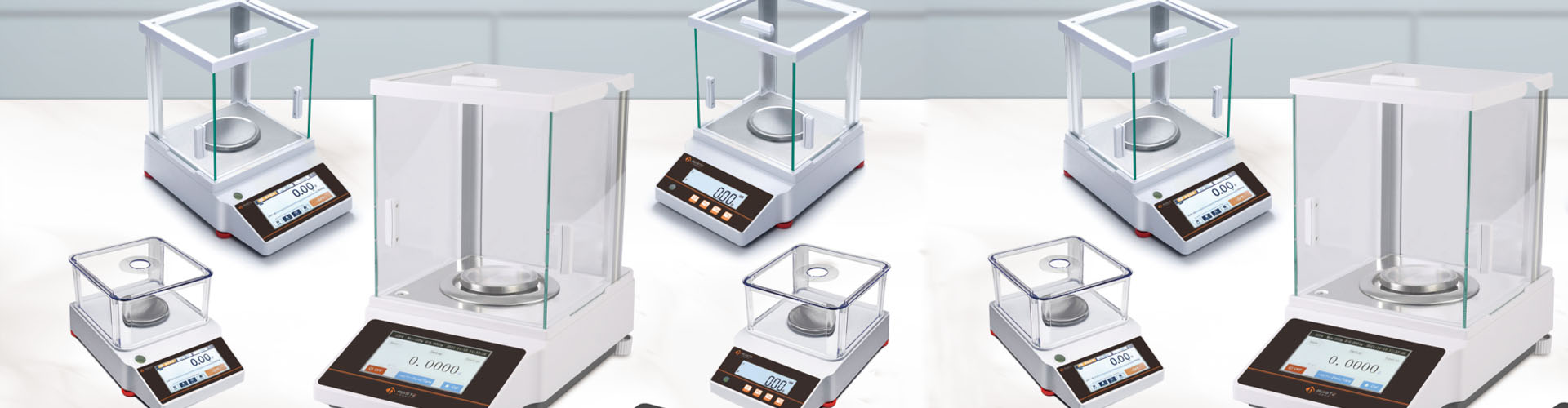
Pruiste is a laboratory balance factory in china, laboratory balance is an indispensable precision instrument in modern scientific research and industrial quality control, used as a tool for measuring the mass of substances. Unlike ordinary scales, laboratory scales can provide extremely high accuracy and precision, typically measuring levels of micrograms (μ g) or even nanograms (ng). This type of instrument is widely used in various fields such as chemistry, biology, pharmaceuticals, food science, and materials research, and is the fundamental equipment for quantitative analysis.
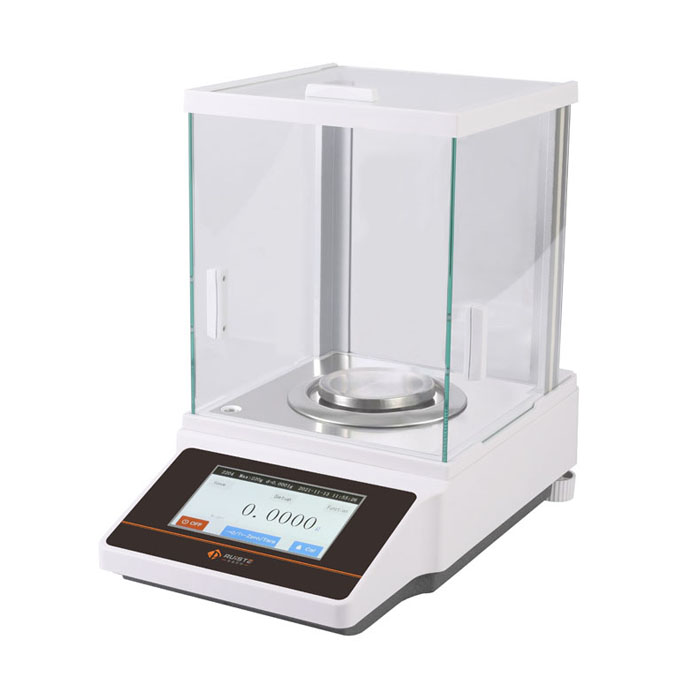
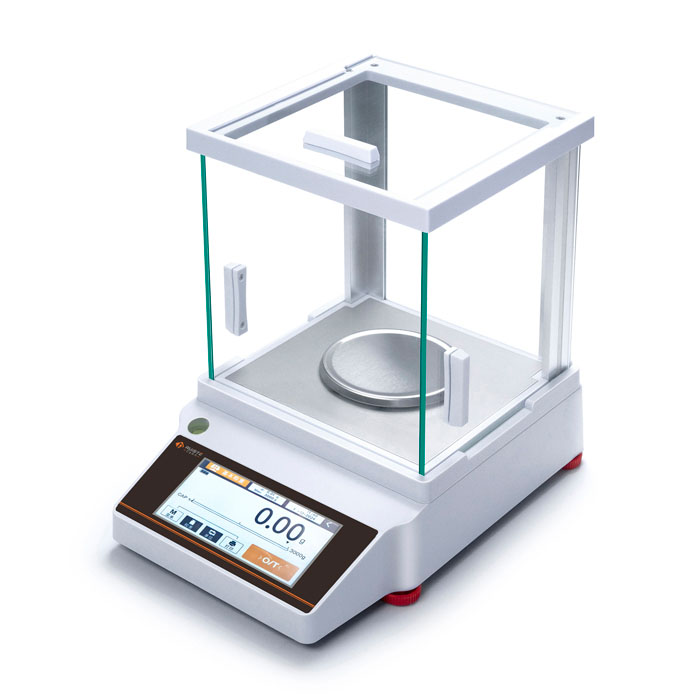

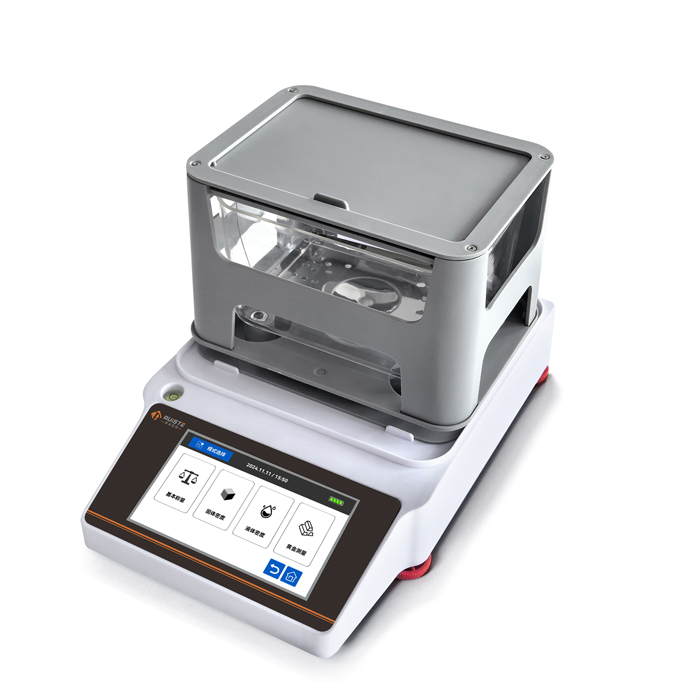
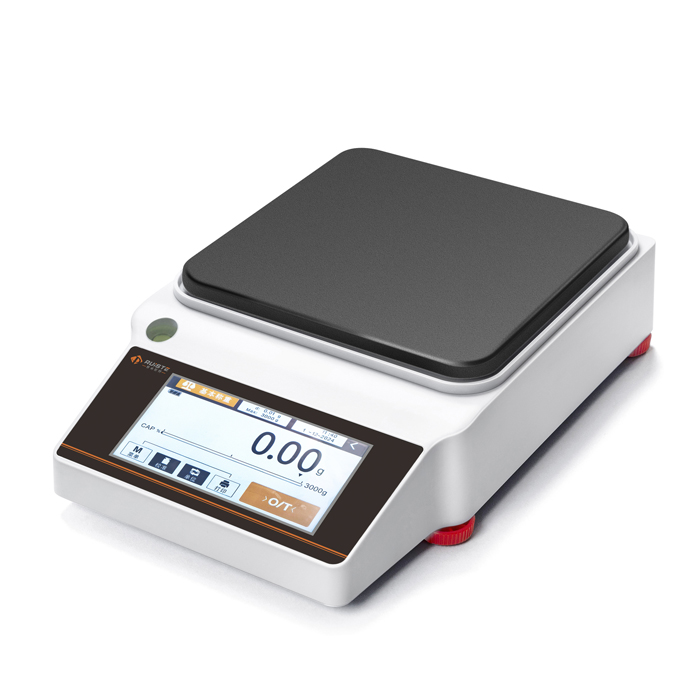
The core value of laboratory balance lies in their ability to provide reliable and reproducible measurement results, which is crucial for the scientific validity of experimental data and the credibility of research results. Accurate quality measurement is a key factor in ensuring the success of experiments, whether it is preparing standard solutions, weighing reactants, measuring sample weight, or conducting quality control.
The laboratory balance as a fundamental but crucial research tool, plays an irreplaceable role in promoting scientific progress. Accurate weighing is the basis for determining formulation and dosage in drug development; In materials science, nanoscale weighing technology provides support for the development of new materials; In environmental monitoring, high-sensitivity balance enables the detection of trace pollutants.
With the advancement of technology, laboratory balance have evolved from simple weighing tools to intelligent systems that integrate measurement, calculation, data management, and process control. They are not only the source of experimental data, but also an important guarantee for scientific rigor and reproducibility. In modern laboratories, selecting, using, and maintaining balance equipment is one of the key factors in ensuring the quality and efficiency of scientific research.
In the future, with the rapid development of nanotechnology, biotechnology, and artificial intelligence, laboratory balance will continue to evolve, providing scientists with more accurate, intelligent, and integrated measurement solutions, and helping humanity explore unknown scientific frontiers.
In the realm of scientific research, industrial production, and quality control, the laboratory balance stands as an indispensable instrument, serving as the foundation for accurate mass measurement. Unlike ordinary weighing tools used in daily life, laboratory balances are designed to deliver precise and reliable results, catering to the rigorous requirements of various fields where even the smallest deviation in mass can lead to significant errors in experiments, product quality, or research conclusions. From the meticulous work of chemical analysis to the precise formulation of pharmaceutical products, from the quality inspection of food and beverages to the advanced research in materials science, laboratory balances play a pivotal role in ensuring the validity and reproducibility of data.
At its core, a laboratory balance operates on the fundamental principle of measuring mass through the comparison of forces. Mass, a fundamental physical quantity representing the amount of matter in an object, is distinct from weight, which is the force exerted on an object by gravity. Laboratory balances are engineered to minimize the impact of external factors, such as gravity variations, temperature changes, and air currents, to ensure that the measured value accurately reflects the true mass of the sample. The evolution of laboratory balance technology has transitioned from traditional mechanical designs to modern electronic systems, each with its own operating principles and performance characteristics. Mechanical balances, which rely on the lever principle, have a long history of use and are still valued for their simplicity and reliability in certain applications. In a mechanical balance, a beam is pivoted at its center, with pans attached to both ends. The sample is placed on one pan, and standard weights are added to the other pan until the beam is balanced, indicating that the mass of the sample equals the sum of the standard weights. This principle is based on the equilibrium of torques: the torque exerted by the sample on one side of the pivot is equal to the torque exerted by the weights on the other side. While mechanical balances are straightforward in design, they require careful operation and regular calibration to maintain accuracy, and they are relatively slow compared to electronic models.
Electronic laboratory balances, which have become the mainstream in modern laboratories, operate on the principle of electromagnetic force balance or strain gauge sensing. The electromagnetic force balance principle is widely used in high-precision balances, such as analytical and microbalances. In this design, the sample is placed on a weighing pan connected to a coil suspended in a magnetic field. When the sample is added, the pan deflects downward, inducing a current in the coil. This current generates an electromagnetic force that opposes the downward deflection, returning the pan to its original position. The magnitude of the current required to restore balance is proportional to the mass of the sample, and this current is converted into a digital mass reading displayed on the instrument. Strain gauge balances, on the other hand, use a strain gauge sensor that deforms when a load is applied. The deformation changes the electrical resistance of the strain gauge, which is measured and converted into a mass value. Electronic balances offer several advantages over mechanical models, including faster measurement speed, higher precision, easier operation, and additional features such as tare, counting, and data storage, making them suitable for a wide range of laboratory applications.
Laboratory balances are available in various types, each designed to meet specific measurement requirements based on precision, capacity, and application scenario. One of the most common classifications is based on readability, which refers to the smallest increment that the balance can measure. Analytical balances are widely used in chemical, pharmaceutical, and biological laboratories, with a readability typically ranging from 0.1 milligram to 0.001 milligram and a capacity usually between 100 grams and 500 grams. These balances are designed for high-precision measurements of small samples, such as the preparation of standard solutions, the weighing of reagents for chemical reactions, and the analysis of trace substances. Microbalances, a type of high-precision analytical balance, have a readability of 0.1 microgram or better and a capacity of up to around 50 grams. They are used in applications that require extremely precise measurements, such as the analysis of rare or valuable samples, the determination of trace elements, and advanced research in nanotechnology.
Precision balances, another common type, have a readability ranging from 1 milligram to 10 milligrams and a larger capacity, typically between 1 kilogram and 60 kilograms. They are suitable for applications where high precision is required but not to the extent of analytical or microbalances, such as the weighing of larger samples in materials testing, the formulation of mixtures, and quality control in industrial production. Top-loading balances, which are a type of precision balance, are characterized by their open design (without a draft shield) and ease of use, making them ideal for routine weighing tasks in laboratories and production facilities. Compact balances, with a smaller footprint and lower capacity (usually up to 100 grams), are designed for use in limited space, such as field laboratories or small research stations. Automatic balances, which feature automated sample handling and weighing processes, are used in high-throughput applications, such as the screening of large numbers of samples in pharmaceutical research or the quality control of mass-produced products.
The application of laboratory balances spans across numerous fields, each with its own unique requirements and challenges. In the field of chemistry, laboratory balances are essential for the preparation of standard solutions, which require precise concentrations to ensure the accuracy of chemical analyses. For example, in titration experiments, the mass of the solute must be measured accurately to prepare a solution with a known concentration, which is then used to determine the concentration of the analyte. In organic chemistry, balances are used to weigh reactants and products, enabling the calculation of reaction yields and the verification of reaction stoichiometry. In analytical chemistry, high-precision balances are used for the determination of trace elements, such as heavy metals in environmental samples or impurities in pharmaceutical products, where even minute amounts can have significant implications.
In the pharmaceutical industry, laboratory balances play a critical role in ensuring the safety and efficacy of drugs. The formulation of pharmaceutical products requires precise weighing of active pharmaceutical ingredients (APIs) and excipients to ensure that each dosage unit contains the correct amount of the drug. This is particularly important in the production of tablets, capsules, and injectables, where deviations from the specified mass can lead to underdosing or overdosing, posing risks to patient health. Balances are also used in pharmaceutical research and development, such as the screening of new drug candidates, the optimization of drug formulations, and the stability testing of drugs over time. In addition, balances are used in the quality control of raw materials, ensuring that the materials used in drug production meet the required specifications.
The food and beverage industry relies heavily on laboratory balances for quality control and compliance with regulatory standards. Balances are used to measure the mass of ingredients in food production, ensuring consistency in product quality and taste. For example, in the production of baked goods, the precise measurement of flour, sugar, and other ingredients is essential to ensure that each batch has the same texture and flavor. In the beverage industry, balances are used to measure the mass of flavorings, sweeteners, and other additives, ensuring that the final product meets the specified taste and nutritional requirements. Balances are also used in the analysis of food composition, such as the determination of moisture content, protein content, and fat content, which are important indicators of food quality and safety. In addition, balances are used in the testing of food additives and contaminants, ensuring that they are within the permissible limits set by regulatory authorities.
In materials science and engineering, laboratory balances are used in the research and development of new materials, as well as the quality control of existing materials. For example, in the development of polymers, balances are used to measure the mass of monomers, catalysts, and other additives, enabling the control of polymer molecular weight and properties. In the production of metals and alloys, balances are used to measure the mass of raw materials, ensuring the correct composition of the final product. Balances are also used in the testing of material properties, such as density, hardness, and tensile strength, where precise mass measurements are required to calculate these properties. In addition, balances are used in the field of nanomaterials, where the precise measurement of small quantities of materials is essential for the development of nanodevices and nanocomposites.
Environmental science is another field where laboratory balances are widely used. They are used in the analysis of environmental samples, such as soil, water, and air, to determine the concentration of pollutants and other contaminants. For example, in the analysis of soil samples, balances are used to weigh the sample before and after extraction, enabling the calculation of the concentration of heavy metals or other pollutants. In the analysis of water samples, balances are used to measure the mass of solids suspended in water, which is an important indicator of water quality. Balances are also used in the monitoring of air quality, such as the measurement of particulate matter (PM) in the air, where the mass of the particles is measured to determine their concentration. These measurements are critical for assessing environmental pollution and developing strategies for environmental protection.
Proper operation of laboratory balances is essential to ensure accurate and reliable measurement results. Before using a balance, it is important to perform a series of pre-operation checks to ensure that the instrument is in good working condition. First, the balance should be placed on a stable, level surface, away from sources of vibration, such as centrifuges, pumps, or other laboratory equipment. Vibration can cause the balance to fluctuate, leading to inaccurate readings. The balance should also be placed away from direct sunlight, air conditioning vents, or other sources of temperature change, as temperature variations can affect the performance of the balance's sensors. In addition, the balance should be kept in a clean environment, free from dust, dirt, and other contaminants that can interfere with the weighing process.
Next, the balance should be calibrated to ensure its accuracy. Calibration involves comparing the balance's measurements to a standard weight of known mass, adjusting the balance if necessary to ensure that the readings are accurate. Calibration should be performed regularly, as the accuracy of the balance can drift over time due to factors such as temperature changes, mechanical wear, and electrical interference. The frequency of calibration depends on the type of balance, its usage frequency, and the required level of accuracy. For high-precision balances, such as analytical and microbalances, calibration should be performed daily or before each use, while precision balances may require calibration weekly or monthly. Calibration can be performed using internal or external standard weights. Internal calibration, which is available on many modern electronic balances, uses a built-in standard weight to automatically calibrate the balance with the press of a button. External calibration involves manually placing a standard weight on the balance and adjusting the balance to match the weight's known mass.
When weighing a sample, it is important to follow proper sample handling procedures to avoid contamination and ensure accurate measurements. Samples should be placed in a clean, dry container that is compatible with the sample's properties. For example, corrosive samples should be placed in a chemically resistant container, such as a glass or plastic beaker, while hygroscopic samples (samples that absorb moisture from the air) should be placed in a sealed container to prevent moisture absorption. The container should be tared before adding the sample to ensure that only the mass of the sample is measured. Taring involves placing the empty container on the balance, pressing the tare button to reset the balance to zero, and then adding the sample to the container. This eliminates the mass of the container from the measurement, providing the accurate mass of the sample.
It is also important to handle the sample and container with care to avoid introducing errors. Samples should be added to the container slowly and gently to prevent splashing or spilling, which can lead to loss of sample and inaccurate measurements. The container should be placed in the center of the weighing pan to ensure that the load is distributed evenly, as uneven loading can cause errors in the measurement. For high-precision measurements, it is recommended to close the draft shield (if available) to minimize the impact of air currents on the weighing pan. Air currents can cause the pan to fluctuate, leading to unstable readings. In addition, the sample and container should be at the same temperature as the balance to avoid thermal expansion or contraction, which can affect the mass measurement. If the sample is hot or cold, it should be allowed to reach room temperature before weighing.
After weighing, the balance should be cleaned to remove any sample residue or contaminants. The weighing pan and draft shield can be cleaned using a soft brush or a damp cloth, taking care not to scratch or damage the surface. For stubborn residues, a mild cleaning solution can be used, but it should be compatible with the balance's materials to avoid corrosion. The balance should also be turned off or placed in standby mode when not in use to conserve power and extend the life of the instrument. In addition, the balance should be covered with a dust cover to protect it from dust and other contaminants when not in use.
Regular maintenance is essential to ensure the long-term performance and reliability of laboratory balances. Maintenance tasks include cleaning, calibration, and inspection of the balance's components. In addition to daily cleaning, the balance should be subjected to a more thorough cleaning on a regular basis, such as weekly or monthly, depending on usage. This involves removing the weighing pan, draft shield, and other removable components and cleaning them thoroughly to remove any accumulated dust or residue. The balance's sensors and electronic components should also be inspected regularly for signs of wear or damage, such as loose connections, corrosion, or physical damage. If any issues are detected, the balance should be repaired or serviced by a qualified technician.
Another important aspect of maintenance is the proper storage of the balance when it is not in use for an extended period. The balance should be turned off, and the power cord should be disconnected. The weighing pan and other removable components should be removed and stored in a clean, dry place. The balance should be covered with a dust cover and stored in a cool, dry environment, away from sources of moisture, heat, and vibration. For electronic balances, the batteries (if applicable) should be removed to prevent leakage and damage to the instrument. When the balance is brought back into use after storage, it should be calibrated before use to ensure its accuracy.
Several factors can affect the accuracy of laboratory balance measurements, and it is important to be aware of these factors to minimize their impact. Environmental factors, such as temperature, humidity, vibration, and air currents, are among the most common sources of error. Temperature changes can cause the balance's components to expand or contract, leading to changes in the balance's sensitivity and accuracy. Humidity can affect the mass of hygroscopic samples and can also cause corrosion of the balance's components over time. Vibration can cause the weighing pan to fluctuate, leading to unstable readings, while air currents can exert a force on the pan, affecting the measurement. To minimize the impact of these factors, the balance should be placed in a controlled environment with a stable temperature and humidity, away from sources of vibration and air currents. The use of a draft shield can help to reduce the impact of air currents, while a vibration-damping table can help to minimize the impact of vibration.
Sample-related factors can also affect measurement accuracy. Hygroscopic samples can absorb moisture from the air, leading to an increase in mass during the weighing process. Volatile samples can evaporate, leading to a decrease in mass. Corrosive samples can damage the weighing pan or other components of the balance, leading to errors in measurement. To minimize these effects, hygroscopic and volatile samples should be weighed quickly and in sealed containers. Corrosive samples should be placed in chemically resistant containers to protect the balance. In addition, the sample size should be appropriate for the balance's capacity and readability. Using a sample that is too small for the balance's readability can lead to inaccurate measurements, while using a sample that is too large can overload the balance and cause damage.
Operator error is another common source of measurement error. This can include improper calibration, incorrect taring, uneven loading of the sample, and failure to account for environmental factors. To minimize operator error, it is important to provide proper training to laboratory personnel on the correct operation of the balance. Operators should be familiar with the balance's features and functions, as well as the proper procedures for calibration, taring, and sample handling. In addition, operators should be aware of the factors that can affect measurement accuracy and take steps to minimize their impact. Regular audits of weighing procedures can also help to identify and correct any errors in operation.
The selection of the appropriate laboratory balance for a specific application is critical to ensuring accurate and reliable measurement results. When selecting a balance, several factors should be considered, including the required precision, capacity, application scenario, and environmental conditions. The precision of the balance should match the requirements of the application. For example, if the application requires measurements to the nearest 0.1 milligram, an analytical balance with a readability of 0.1 milligram should be selected. The capacity of the balance should be sufficient to handle the largest sample that will be weighed, with a small margin of safety to avoid overloading the balance. The application scenario should also be considered: for example, a balance used in a field laboratory may need to be compact and portable, while a balance used in a high-precision research laboratory may need to have advanced features such as data storage and connectivity.
Environmental conditions, such as temperature, humidity, and vibration, should also be considered when selecting a balance. For example, a balance used in a humid environment may need to have moisture-resistant components, while a balance used in a vibrating environment may need to have vibration-damping features. In addition, the ease of use and maintenance of the balance should be considered, as this can affect the efficiency and reliability of the weighing process. Modern electronic balances often come with user-friendly interfaces and automated features, such as internal calibration and data storage, which can simplify operation and reduce the risk of operator error.
In recent years, technological advancements have led to significant improvements in laboratory balance design and performance. Modern electronic balances are more precise, faster, and more user-friendly than ever before. Many balances now come with advanced features such as touchscreen interfaces, wireless connectivity, and integration with laboratory information management systems (LIMS), which allow for the automatic recording and analysis of weighing data. This not only improves the efficiency of the weighing process but also reduces the risk of data entry errors. In addition, advancements in sensor technology have led to the development of balances with higher precision and stability, enabling more accurate measurements of small samples.
Another trend in laboratory balance technology is the development of portable and compact balances, which are designed for use in field laboratories, remote locations, and other environments where space is limited. These balances are lightweight, easy to transport, and often battery-powered, making them ideal for on-site measurements. Portable balances typically have a lower capacity and precision than laboratory-based balances, but they are sufficient for many field applications, such as environmental monitoring and on-site quality control.
Despite the advancements in technology, the basic principles of laboratory balance operation and maintenance remain the same. Accurate measurement requires proper calibration, careful sample handling, and a controlled environment. By following the proper procedures and taking steps to minimize the impact of external factors, laboratory personnel can ensure that their balance provides reliable and accurate results for years to come. Whether used in a research laboratory, a pharmaceutical production facility, or an environmental monitoring station, the laboratory balance is an essential tool that plays a critical role in advancing scientific knowledge and ensuring product quality.
In conclusion, laboratory balances are essential instruments in a wide range of fields, providing precise and reliable mass measurements that are critical for research, quality control, and production. Understanding the principles, types, applications, and maintenance requirements of laboratory balances is essential for ensuring their optimal performance and accuracy. By selecting the appropriate balance for the application, following proper operation and maintenance procedures, and minimizing the impact of external factors, laboratory personnel can ensure that their measurements are accurate and reproducible. As technology continues to advance, laboratory balances will continue to evolve, offering even higher precision, faster measurement speeds, and more advanced features, further enhancing their utility in scientific and industrial applications.
 Chinese Mobile
 Whatsapp Service
 WeChat Service


