

 Language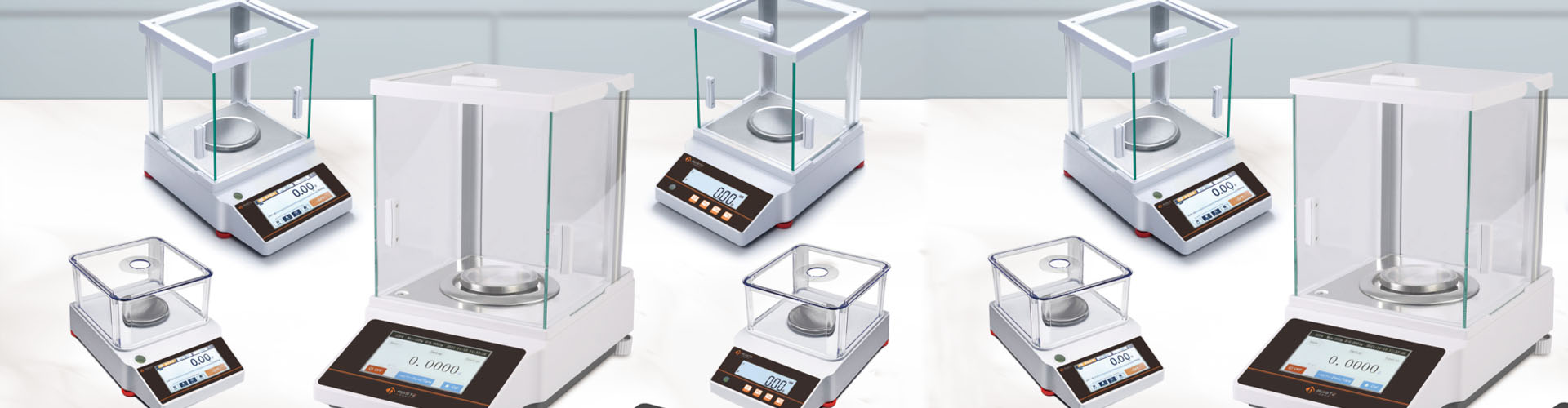
Pruiste is a weighing scale factory in china, weighing scale is a precision instrument that uses electronic technology for mass measurement, and has been widely used in various fields such as commerce, industry, healthcare, and home. Unlike traditional mechanical scales, electronic scales convert gravity into electrical signals through sensors, which are then processed by electronic systems to display weight values.

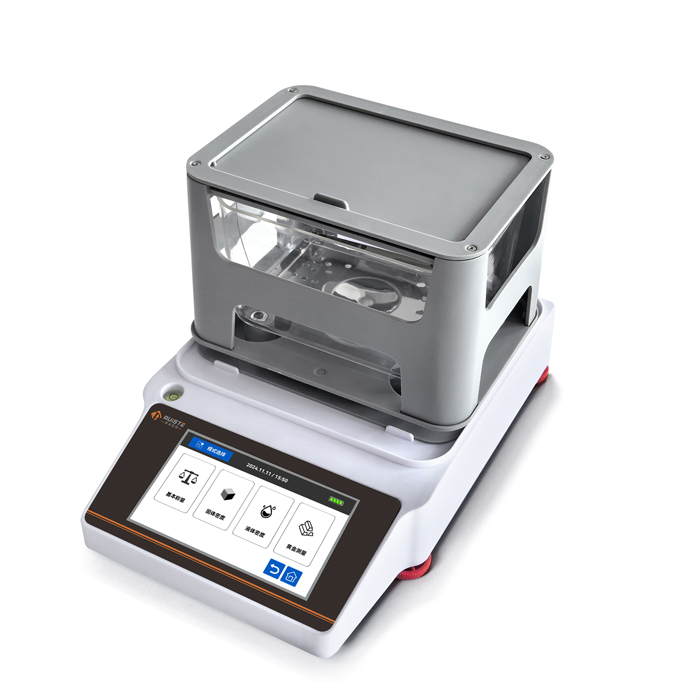
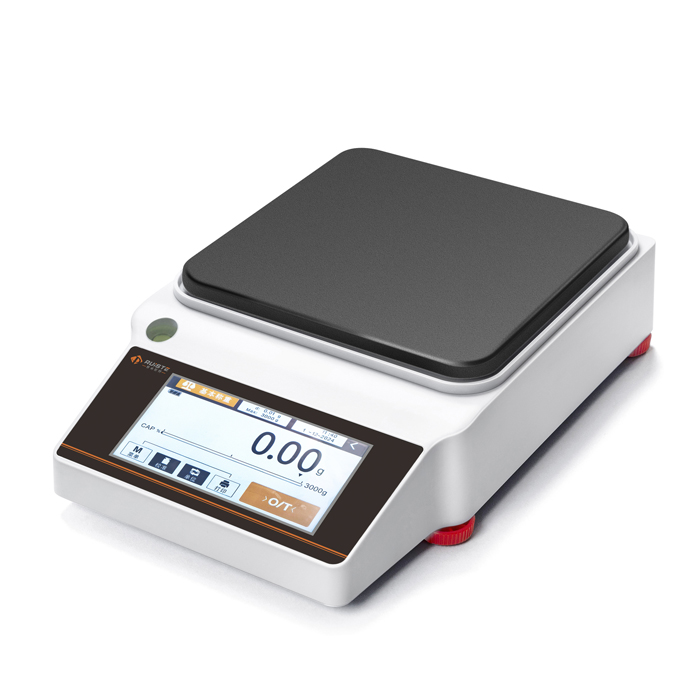
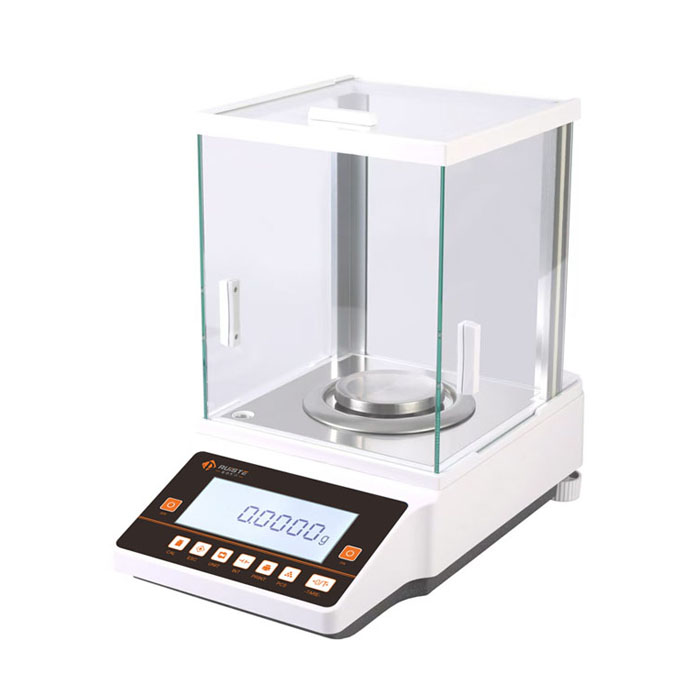
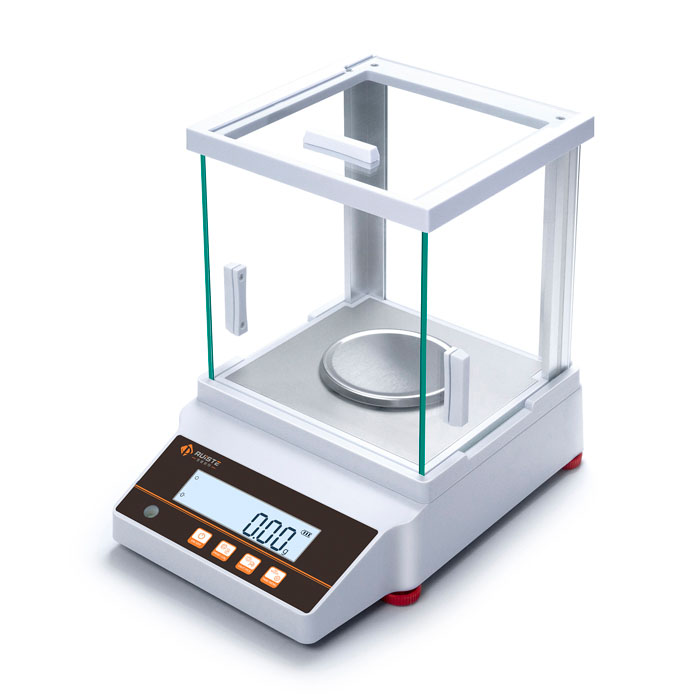
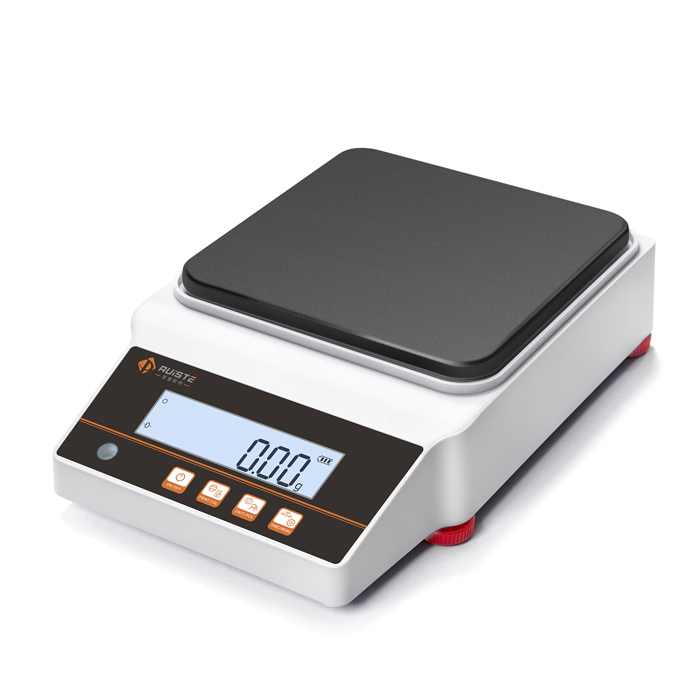
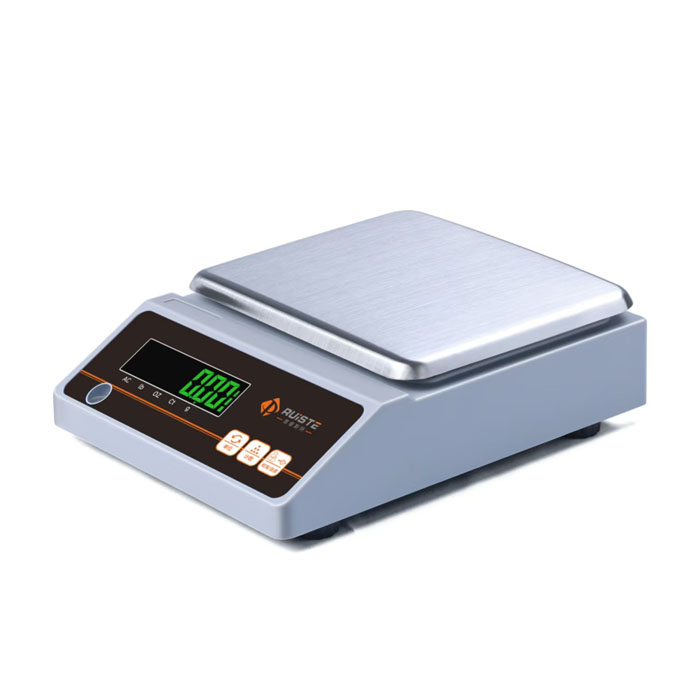
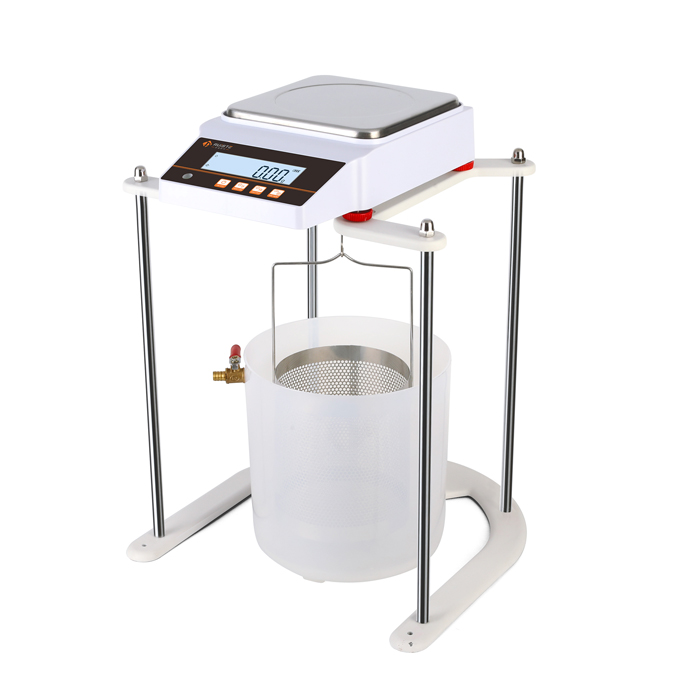
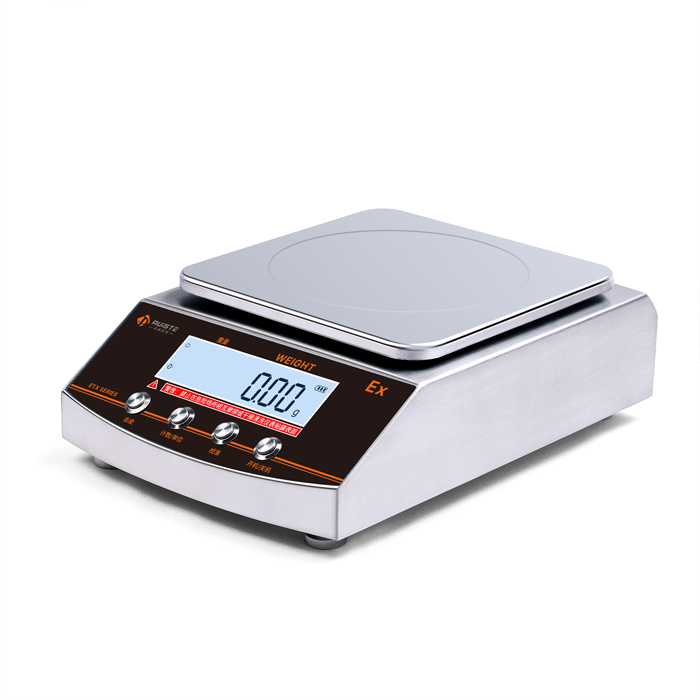
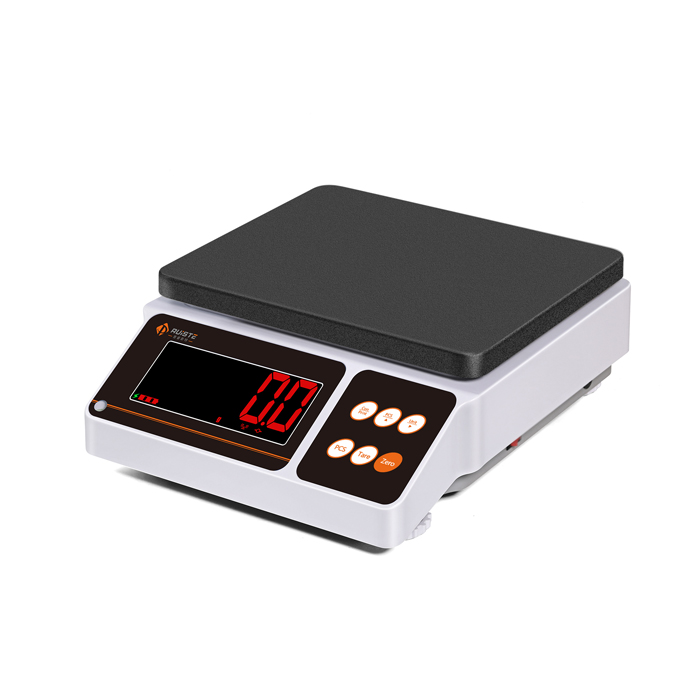
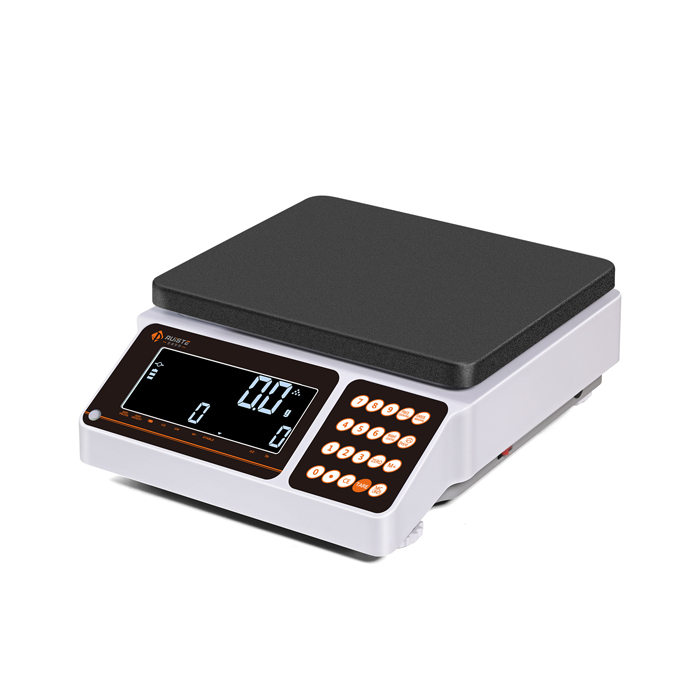
Weighing scales have evolved from simple weighing tools to intelligent terminals, and their application scenarios and technological connotations are constantly expanding. In the future, they will play a more important role in digital life. Choosing the appropriate weighing scale and using it correctly can not only improve work efficiency, but also provide accurate data support for health management and scientific research.
Weighing scales are essential measuring instruments that play an irreplaceable role in various fields such as industry, commerce, scientific research, and daily life. They are designed to measure the mass of objects accurately, providing reliable data support for production, trade, experiment, and other activities. From the simple mechanical scales used in ancient times to the intelligent digital scales widely applied today, weighing scales have undergone continuous evolution and upgrading, adapting to the changing needs of different eras and fields.
To better understand weighing scales, it is necessary to first clarify their classification. Weighing scales can be divided into different types according to various standards, each with its own characteristics and applicable scenarios. According to the working principle, they can be divided into mechanical scales, electronic scales, and electromechanical combined scales. Mechanical scales rely on mechanical structures such as levers and springs to achieve weight measurement. They have a simple structure, low cost, and do not require external power supply, making them suitable for occasions with low precision requirements, such as small retail stores and family use. Common mechanical scales include platform scales, spring scales, and balance scales. Electronic scales, on the other hand, use electronic sensors to convert the pressure generated by the weight of objects into electrical signals, which are then processed and converted into digital values for display. They have the advantages of high precision, fast response, and convenient operation, and are widely used in industrial production, scientific experiments, and high-precision measurement scenarios. Electromechanical combined scales integrate the advantages of mechanical and electronic scales, combining mechanical structural stability with electronic measurement accuracy, and are often used in occasions that require both reliability and precision.
According to the function, weighing scales can be divided into counting scales, pricing scales, weighing scales, and Bluetooth scales. Counting scales are mainly used to count the number of small items by measuring the total weight and the weight of a single item, which is widely used in workshops, warehouses, and retail industries to improve counting efficiency. Pricing scales are mainly used in commercial retail occasions. They can calculate the total price according to the weight of the goods and the preset unit price, which is convenient for transactions between merchants and customers. Weighing scales are the most basic type of weighing instrument, mainly used to measure the weight of objects without additional functions such as counting and pricing, and are widely used in various fields. Bluetooth scales can transmit weighing data to other devices such as mobile phones and computers through Bluetooth technology, facilitating data storage, analysis, and management, and are suitable for scenarios that require data statistics and tracking.
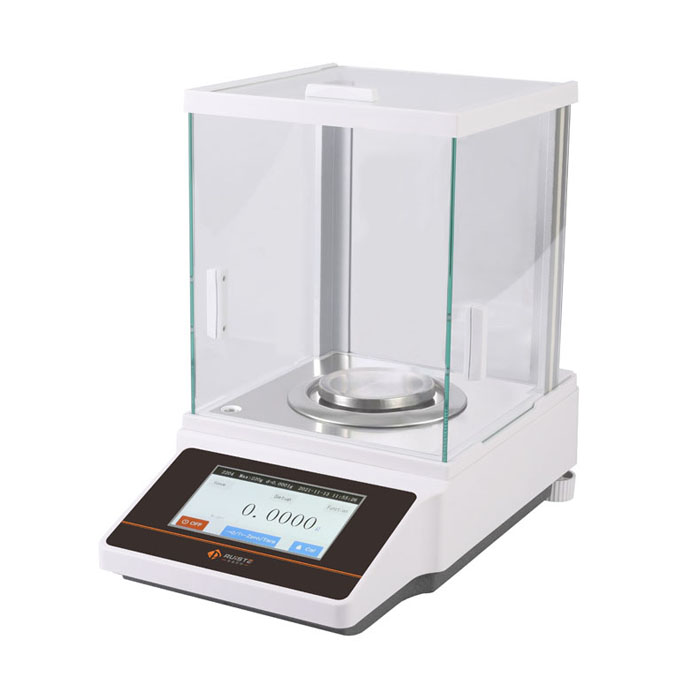
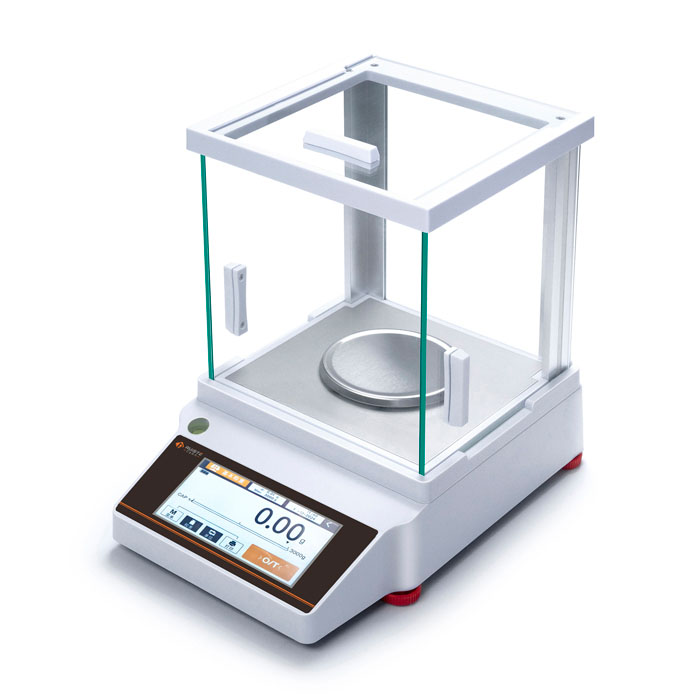
In terms of placement position, weighing scales can be divided into desktop scales, platform scales, floor scales, and precision balances. Desktop scales have a small volume and light weight, with a full range of less than 30Kg, and are suitable for placing on desktops to measure small items, such as jewelry, medicines, and small electronic components. Platform scales have a full range of 30-300Kg, with a larger weighing platform, suitable for measuring medium-sized items, such as packages, small machinery parts, and agricultural products. Floor scales have a full range of more than 300Kg, with a sturdy structure and large bearing capacity, suitable for measuring large and heavy items, such as containers, large machinery, and bulk materials. Precision balances have high measurement accuracy, with a precision of 1/10000 or higher, and are mainly used in scientific research laboratories, medical testing, and other occasions that require high-precision weight measurement.
According to the precision level, weighing scales can be divided into four levels: Level I, Level II, Level III, and Level IV. Level I is a special balance with a precision of ≥1/100000, which is a reference weighing instrument, mainly used in national metrology institutes and other institutions for calibrating other weighing instruments. Level II is a balance with a precision between 1/10000 and 1/100000, which is a precision weighing instrument, suitable for high-precision measurement scenarios such as scientific experiments and medical testing. Level III is a medium-precision balance with a precision between 1/1000 and 1/10000, which is widely used in industrial production and commercial trade. Level IV is an ordinary scale with a precision between 1/100 and 1/1000, which is a rough weighing instrument, suitable for occasions with low precision requirements, such as family use and simple cargo weighing.
In addition, there are special types of weighing scales developed for specific application scenarios, such as waterproof scales, explosion-proof scales, and high-temperature scales. Waterproof scales are designed with a fully sealed structure to prevent corrosive liquids, gases, and moisture from entering the internal components, especially the sensor, which can improve the service life of the instrument. They are suitable for wet and harsh environments such as aquatic product processing, food processing, and cold storage. Some waterproof scales have a waterproof level of IP68, which can even work normally when immersed in water. Explosion-proof scales are designed to prevent explosions in flammable and explosive environments, such as chemical plants, oil depots, and mines. They adopt explosion-proof components and sealing structures to avoid sparks and high temperatures that may cause explosions. High-temperature scales are designed to withstand high-temperature environments, such as near sintering machines in steel plants and high-temperature workshops. Their sensors and electronic components are made of high-temperature resistant materials to ensure accurate measurement under high-temperature conditions.
The structural composition of weighing scales varies according to their types, but the core components are basically the same. Taking electronic scales, which are the most widely used currently, as an example, their main components include a load-bearing structure, a sensor, a signal processing circuit, a display panel, and a power supply. The load-bearing structure includes a weighing pan and a weighing platform, which are responsible for carrying the weight of objects and need to have sufficient strength and stability to ensure that they will not be deformed or damaged under the action of heavy objects. The material of the load-bearing structure is usually steel, stainless steel, or plastic, which is selected according to the application scenario. For example, stainless steel is used in food processing and chemical industries to ensure corrosion resistance, while plastic is used in household and small retail occasions to reduce weight and cost.
The sensor is the core component of the electronic scale, which is responsible for converting the pressure generated by the weight of the object into an electrical signal. The performance of the sensor directly determines the measurement accuracy and stability of the electronic scale. Common sensors include strain gauge sensors, electromagnetic force balance sensors, and MEMS sensors. Strain gauge sensors are the most commonly used sensors in ordinary electronic scales. They use metal elastic bodies. When the elastic body is deformed under pressure, the resistance value of the strain gauge attached to it will change, thereby converting the pressure into an electrical signal. This type of sensor has the advantages of simple structure, low cost, and high reliability, and is widely used in various electronic scales. Electromagnetic force balance sensors are mainly used in high-precision balances. They use the principle of dynamic balance between electromagnetic force and the gravity of the object to achieve microgram-level measurement accuracy. This type of sensor has high precision but high cost, and is mainly used in scientific research and medical testing occasions. MEMS sensors are a new type of sensor with small size, light weight, and low power consumption. They are suitable for portable electronic scales and intelligent weighing devices.
The signal processing circuit is responsible for amplifying, filtering, and converting the weak electrical signal output by the sensor. The electrical signal output by the sensor is very weak and contains noise, which needs to be amplified by the amplifier circuit to facilitate subsequent processing. The filter circuit is used to filter out noise signals and ensure the purity of the electrical signal. The analog-to-digital converter (A/D converter) converts the analog electrical signal into a digital signal, which is then processed by the central processing unit (CPU). The CPU calculates the digital signal according to the preset algorithm, eliminates interference factors such as temperature drift, and finally obtains the accurate weight value. The display panel is used to intuitively display the weight value. Common display panels include liquid crystal displays (LCD) and light-emitting diode displays (LED). LCD displays have the advantages of low power consumption and clear display, while LED displays have the advantages of high brightness and strong visibility, which are suitable for different lighting environments. Some display panels also support functions such as data storage, unit conversion, and error prompt, which are convenient for users to operate and use.
The power supply is responsible for providing electrical energy for the electronic scale. Common power supply modes include AC power supply and DC power supply. AC power supply is suitable for fixed occasions such as workshops and stores, while DC power supply (battery) is suitable for portable electronic scales and occasions without AC power supply. Some electronic scales also support dual power supply modes, which can switch between AC and DC power supply according to needs, improving the convenience of use.
The working principle of weighing scales varies according to their types. The working principle of mechanical scales is based on the lever principle. The lever is a rigid rod that can rotate around a fixed point (fulcrum). When the object to be measured is placed on one end of the lever, and the weight is placed on the other end, when the lever is balanced, the weight of the object is equal to the weight of the weight multiplied by the ratio of the distance from the fulcrum to the weight and the distance from the fulcrum to the object. This principle is simple and reliable, but the measurement accuracy is relatively low, and it is easily affected by factors such as friction and lever deformation.
The working principle of electronic scales is more complex, mainly going through four steps: weight perception, signal conversion, data processing, and result display. When an object is placed on the weighing pan, the gravity of the object is transmitted to the sensor through the load-bearing structure, causing the sensor to undergo elastic deformation. The strain gauge on the sensor converts the elastic deformation into a change in resistance value, thereby generating a weak analog electrical signal. This electrical signal is amplified by the amplifier circuit, filtered by the filter circuit to remove noise, and then converted into a digital signal by the A/D converter. The CPU processes the digital signal according to the preset algorithm, corrects the error caused by temperature, humidity, and other environmental factors, and finally converts it into a weight value that can be understood by the user and displays it on the display panel. Some electronic scales also have functions such as automatic zero adjustment and automatic calibration, which can further improve the measurement accuracy and stability.
Weighing scales are widely used in various fields, and their application scenarios are constantly expanding with the development of society and technology. In the industrial field, weighing scales are an important part of the production process, which are used in raw material incoming inspection, production process control, and finished product inspection. In the cement industry, large-flow weighing scales are used to measure raw materials such as limestone, clay, and iron powder, ensuring the accuracy of the mixing ratio of raw materials, which is crucial to the quality of cement products. The weighing scales used in the cement industry need to have the characteristics of wear resistance, dust resistance, and anti-vibration, because the production site has a lot of dust and strong vibration. In the steel industry, weighing scales are used to measure iron ore powder, coke, limestone, and other raw materials, and also to measure the weight of steel products. The weighing scales in the steel industry need to have high temperature resistance and heavy load capacity, because some production links have high temperatures and large material flow. In the chemical industry, weighing scales are used to measure various chemical raw materials, ensuring the accuracy of the formula ratio, and avoiding safety accidents caused by incorrect ratios. The weighing scales in the chemical industry need to have corrosion resistance, because many chemical raw materials are corrosive.
In the food and beverage industry, weighing scales are used in raw material processing, product packaging, and quality inspection. For example, in the production of dairy products, weighing scales are used to measure milk, sugar, and other raw materials, ensuring the quality and taste of the products. In the packaging process of food, weighing scales are used to control the weight of each package, ensuring that the weight of the product meets the relevant standards. The weighing scales used in the food and beverage industry need to have hygiene and corrosion resistance, and some even need to meet the requirements of waterproof and easy cleaning to avoid food contamination. In the pharmaceutical industry, weighing scales are used to measure pharmaceutical raw materials and finished products, ensuring the accuracy of the dosage, which is directly related to the efficacy and safety of drugs. The weighing scales in the pharmaceutical industry need to have high precision and good stability, and need to be regularly calibrated to ensure the accuracy of measurement results.
In the commercial field, weighing scales are an important tool for trade transactions. In supermarkets, convenience stores, farmers' markets, and other places, pricing scales and weighing scales are used to measure the weight of goods and calculate the total price, ensuring fair trade between merchants and customers. With the development of e-commerce and logistics industry, weighing scales are also widely used in logistics warehousing. They are used to measure the weight of packages, which is the basis for calculating logistics costs. In addition, weighing scales are also used in express delivery sorting centers to sort packages according to weight, improving sorting efficiency. In the logistics industry, weighing scales need to have fast response speed and high measurement accuracy, and some also need to support data transmission and storage functions to facilitate the management of logistics information.
In the scientific research field, weighing scales are an essential experimental instrument. In physics, chemistry, biology, and other disciplines, high-precision balances are used to measure the mass of samples, providing accurate data support for experiments. For example, in chemical experiments, the mass of reactants and products needs to be measured accurately to calculate the reaction yield and reaction rate. In biological experiments, the mass of cells, tissues, and other samples needs to be measured to study their growth and development rules. The weighing scales used in scientific research need to have extremely high precision and stability, and are usually equipped with temperature control, windproof, and other functions to reduce the impact of environmental factors on measurement results.
In daily life, weighing scales are also closely related to people's lives. Household electronic scales are used to measure body weight, helping people understand their physical condition. Kitchen scales are used to measure the weight of ingredients, facilitating cooking and food production. In addition, weighing scales are also used in fitness centers, hospitals, and other places to measure body weight and body fat percentage, providing reference for health management. With the improvement of people's living standards, the demand for household weighing scales is increasing, and their functions are becoming more and more diversified, such as body fat measurement, muscle mass measurement, and water content measurement.
To ensure the long-term stable operation and accurate measurement of weighing scales, daily maintenance and regular calibration are essential. Daily maintenance mainly includes cleaning, component inspection, and environmental protection. Cleaning is an important part of daily maintenance. After each use or at least once a day, the weighing pan and the surface of the scale body should be wiped with a dry soft cloth to avoid the accumulation of dust, oil, and debris. For the gaps of the sensor, compressed air can be used to blow off the dust, and corrosive cleaning agents should not be used to avoid damaging the sensor and other components. For waterproof scales used in wet environments, the scale body should be wiped dry in time after use to prevent short circuits in the internal circuit. Regular deep cleaning is also required. The weighing pan can be wiped with a neutral cleaning agent (diluted detergent) every week, and stubborn stains should be wiped gently to avoid scratching the scale body.
Component inspection mainly includes the inspection of sensors, display panels, control buttons, and other components. The sensor is the core component of the electronic scale, and its performance directly affects the measurement accuracy. During the inspection, it is necessary to avoid overloading the weighing scale. The weighing range is recommended to be controlled within 80% of the rated range to prevent the sensor from being damaged by overloading. It is also necessary to regularly check the connecting wires of the sensor to ensure that there is no damage, aging, or poor contact. The terminal blocks can be coated with a small amount of anti-rust grease to prevent oxidation. For the display panel and control buttons, the display screen should be wiped with a dry cloth to avoid stains affecting the reading. The buttons should be pressed gently during use to prevent button failure, and the sensitivity of the buttons should be checked regularly. For precision balances, the windproof cover should be kept closed during use to reduce the interference of air flow. The feet of the weighing scale should be checked regularly to ensure that the scale body is level, and the air bubble on the bottom plate is in the center of the circle.
Environmental protection is also very important for the stable operation of weighing scales. Weighing scales should be placed in a dry, ventilated, and stable environment, away from direct sunlight, high temperature, humidity, and strong vibration. Avoid placing the weighing scale in a place with strong electromagnetic interference, such as near motors and transformers, to prevent the electronic components from being affected and the measurement accuracy from being reduced. For weighing scales used in special environments, such as high temperature, low temperature, and corrosion, corresponding protective measures should be taken according to the environmental characteristics to extend the service life of the instrument.
Calibration is the key to ensuring the measurement accuracy of weighing scales. Calibration refers to the process of comparing the indication value of the weighing scale with the actual value of the reference weight under specific conditions to determine the error of the weighing scale and adjust it if necessary. The purpose of calibration is to ensure that the measurement results of the weighing scale are within the allowable error range, so as to provide reliable measurement data. The calibration of weighing scales should be carried out regularly, and the calibration interval should be determined according to the use frequency, use environment, and measurement requirements. For weighing scales used in trade and scientific research, the calibration interval is usually shorter, while for household weighing scales, the calibration interval can be longer.
Before calibration, sufficient preparation work is required. First, prepare standard weights with corresponding accuracy. For example, M1 level weights are selected for the calibration of industrial platform scales, and E2 level weights are selected for the calibration of precision balances. The standard weights should be kept clean and free from damage to ensure their accuracy. Second, ensure that the weighing scale is preheated for more than 30 minutes, the environment is free from air flow and vibration interference, and the error after zero adjustment is ≤±1 division value. During the calibration process, first perform zero calibration: press the CAL key to enter the calibration mode, release it when "CAL" is displayed, place the standard weight according to the prompt to complete zero calibration, and the scale body will return to zero after removing the weight. Then perform multi-point calibration: load 10%, 50%, and 100% of the rated range of standard weights in turn, operate according to the prompt for each step, record the indication value of each point, calculate the error, and ensure that the error of each point is within the allowable range. After the calibration is completed, the calibration date, weight information, error data, and other information should be recorded to establish a calibration account for subsequent traceability.
It should be noted that there is a clear difference between calibration and correction. Calibration is to understand and record the operation mode of the weighing scale, and determine the error between the indication value and the actual value, without changing the internal parameters of the weighing scale. Correction is to adjust the internal parameters of the weighing scale according to the calibration results, so that the indication value is consistent with the actual value of the standard weight. Calibration is a detection process, while correction is an adjustment process. In addition, the measurement uncertainty is an indispensable part of calibration. Measurement uncertainty refers to the doubt about the measurement result, which is affected by factors such as the weighing scale itself, standard weights, environment, and operators. A calibration without measurement uncertainty statement is incomplete.
In the process of using weighing scales, various faults may occur, which need to be checked and solved in time. Common faults include jumping display values, inaccurate measurement, no display when turned on, and ineffective buttons. For jumping display values, the possible reasons are air flow interference, loose sensors, unstable power supply, etc. The solution is to turn off the air conditioner and fan, fasten the sensor connecting wires, and replace the stable power supply. For inaccurate measurement, the possible reasons are failure to calibrate, inaccurate weights, overloading, etc. The solution is to recalibrate, replace qualified weights, and use the weighing scale within the rated range. For no display when turned on, the possible reasons are power failure, damaged display panel, poor circuit contact, etc. The solution is to check the power connection, replace the display panel, and overhaul the circuit. For ineffective buttons, the possible reasons are button stains and button damage. The solution is to clean the buttons and replace the button components.
With the continuous development of science and technology, weighing scales are also moving towards intelligence, digitalization, and networking. In recent years, the global weighing scale industry has experienced profound transformation driven by digitalization, intelligence, and strict regulations. By the end of 2025, the global market size of the weighing scale industry is expected to reach about 9.2 billion US dollars, showing strong growth resilience. This growth is not only due to the stock replacement in traditional industrial fields, but also closely related to the explosive expansion of emerging application scenarios. The compound annual growth rate in the next five years is expected to remain around 4.5%, and by 2030, the global market capacity is expected to exceed 11.5 billion US dollars. The Asia-Pacific region, especially China and Southeast Asia, will continue to play the role of growth engine, and its market share is expected to increase from the current 38% to more than 42% by 2030.
The structural change of market demand is the most prominent feature at present. In traditional industrial fields such as food and beverage, chemical industry, and metallurgy, the demand for high precision, high stability, and durability continues to exist, but its growth is relatively slow, with an annual growth rate of about 2%-3%. The real growth drivers come from emerging fields: the demand for online dynamic weighing and data integration in intelligent manufacturing production lines, the dependence of logistics and warehousing automation on high-speed sorting scales, and the extremely high precision standards for laboratory micro and analytical balances in the life science field, which together constitute the main driving force for demand growth. It is expected that by 2026, the demand for weighing solutions related to intelligent manufacturing will contribute more than 15% of the market increment.
Technological evolution is the core variable of competition on the supply side. Sensor technology is developing from traditional strain type to more advanced multi-technical paths such as electromagnetic force compensation, micro-electro-mechanical systems (MEMS), and optical fiber sensing. The integration of the Internet of Things platform has transformed weighing equipment from a single measuring tool into a key data node of the industrial Internet. The introduction of artificial intelligence algorithms has realized real-time analysis, process control, and quality prediction of measurement data. In 2025, the penetration rate of intelligent weighing scales with network connection and data analysis functions has exceeded 30%, and it is expected that this proportion will exceed 55% by 2030, completely changing the value creation model of the industry.
Intelligent weighing scales integrate advanced technologies such as the Internet of Things, artificial intelligence, and big data, which can realize functions such as remote monitoring, data transmission, and automatic control. For example, intelligent weighing scales can transmit weighing data to the cloud platform in real time through the network, and users can view and manage the data through mobile phones, computers, and other devices, which is convenient for data statistics and analysis. Some intelligent weighing scales are also equipped with artificial intelligence algorithms, which can automatically identify the type of objects, automatically adjust measurement parameters, and improve measurement accuracy and efficiency. In addition, intelligent weighing scales can also be integrated with other equipment to form an automated production line, realizing the automation and intelligence of the production process.
Digitalization is another important development trend of weighing scales. Digital weighing scales use digital signal processing technology to improve the accuracy and stability of measurement. They can store a large amount of weighing data, which is convenient for users to query and trace. Digital weighing scales also support multiple unit conversions, which can meet the measurement needs of different countries and regions. With the development of digital technology, the functions of weighing scales are becoming more and more diversified, such as automatic counting, automatic pricing, and automatic calibration, which improve the convenience and efficiency of use.
Networking is also an important direction for the development of weighing scales. Networked weighing scales can be connected to the local area network or the Internet, realizing data sharing and remote control. In industrial production, networked weighing scales can be integrated with the enterprise's production management system, realizing the seamless connection between weighing data and production data, which is convenient for enterprise management and decision-making. In the logistics industry, networked weighing scales can transmit package weight data to the logistics management system in real time, facilitating the calculation of logistics costs and the tracking of package status.
In addition, the miniaturization and portability of weighing scales are also developing trends. With the improvement of people's living standards and the increase of mobile measurement needs, portable weighing scales are more and more popular. Portable weighing scales are small in size, light in weight, easy to carry, and suitable for outdoor, travel, and other occasions. For example, portable electronic scales can be carried in a backpack or pocket, which is convenient for measuring the weight of luggage, fruits, and other items. The miniaturization of weighing scales is also conducive to their integration into other equipment, such as smart phones, smart watches, and other devices, realizing more convenient measurement functions.
The development of the weighing scale industry is also affected by industry policies, technical standards, and patent activities. Globally, the convergence and strengthening of measurement regulations is a clear trend, which directly promotes the market demand for high-compliance products. In terms of standards, the updated versions of relevant recommendations (R60, R76) of the International Organization of Legal Metrology (OIML) are being widely adopted by various countries, directly affecting the design and production of products. Patent analysis shows that between 2023 and 2025, the global number of patent applications in the fields of intelligent weighing, wireless sensing, and self-diagnostic technology increased by more than 12% annually. The activity of patent applications by Chinese enterprises increased significantly during this period, accounting for an increase from 18% to 25%, reflecting the fierce technological competition.
The trade and supply chain pattern of the weighing scale industry is also being reshaped. In the past few years, global supply chain fluctuations have prompted major manufacturers to re-evaluate their production layouts, and the trend of regionalization and near-shore production has emerged. Trade data shows that in 2025, the cross-border trade volume of high-precision weighing sensors and core modules maintained a growth of about 5%, but in terms of trade flow, the proportion of intra-regional trade within Asia and between Europe and North America is increasing. The structure of export products is also upgrading, from single complete machine export to package solutions including software authorization and technical services, which improves the added value of products and customer stickiness.
In conclusion, weighing scales, as an important measuring instrument, have a wide range of applications and play an important role in various fields. With the continuous development of science and technology, the types of weighing scales are becoming more and more diversified, the performance is becoming more and more stable, and the functions are becoming more and more intelligent. In the future, with the in-depth integration of technologies such as the Internet of Things, artificial intelligence, and big data, weighing scales will be more closely integrated with various industries, providing more accurate, efficient, and convenient measurement solutions for social and economic development. At the same time, we also need to pay attention to the daily maintenance and regular calibration of weighing scales to ensure their long-term stable operation and accurate measurement, so as to better play their role in production, trade, scientific research, and daily life.
 Chinese Mobile
 Whatsapp Service
 WeChat Service


