

 Language
Electronic analytical balances are high-precision laboratory instruments designed to measure tiny sample masses with exceptional accuracy. Adopting advanced electromagnetic force compensation technology, they deliver reliable, repeatable readings for scientific research, industrial testing, and pharmaceutical analysis across diverse professional scenarios.
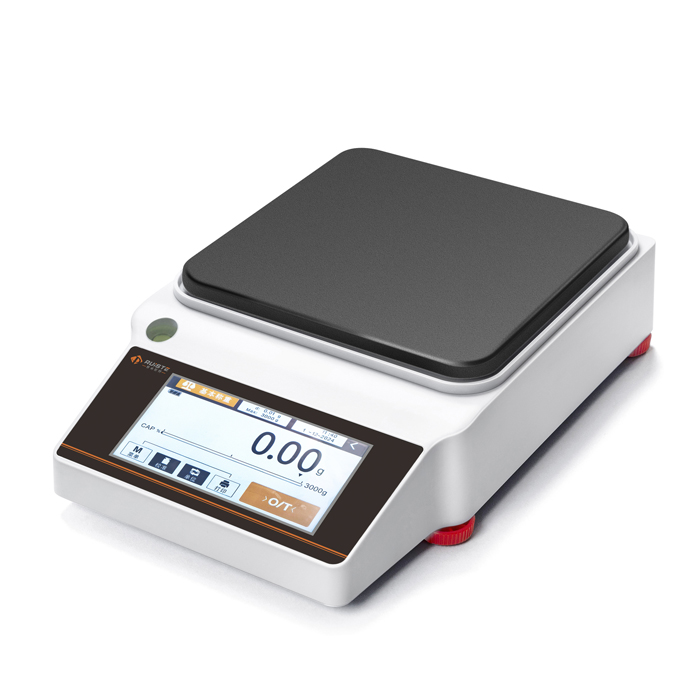
Electronic analytical balances stand out from conventional weighing devices due to their extraordinary precision and stable operational performance, making them indispensable core equipment in modern laboratory environments. Unlike traditional mechanical balances that rely on manual weight comparison and lever balance principles, electronic models eliminate tedious manual operation and human error, achieving automatic, real-time mass measurement through integrated electronic sensing and intelligent processing systems. These instruments are specifically engineered for measuring micro and trace samples, capable of capturing subtle mass changes that ordinary electronic scales cannot detect, which lays a solid foundation for high-accuracy experimental data acquisition. The core design concept focuses on balancing measurement precision, operational convenience, and environmental adaptability, ensuring that every weighing result can reflect the true mass state of the sample under stable experimental conditions. Whether for routine laboratory detection or sophisticated scientific research experiments, these balances provide consistent and credible data support, becoming a basic guarantee for the authenticity and accuracy of experimental results.
The core working principle of modern electronic analytical balances is based on electromagnetic force compensation, a mature and efficient sensing technology that underpins their superior measurement accuracy. When a sample is placed on the weighing pan, the gravity of the sample causes slight displacement of the pan and the connected mechanical sensing structure. The built-in high-sensitivity position sensor instantly captures this tiny displacement signal and transmits it to the internal microprocessor. The intelligent system then automatically calculates the exact electromagnetic current required to generate a reverse electromagnetic force, which counteracts the sample’s gravity and restores the weighing pan to its initial balanced position. Since the magnitude of the electromagnetic current is strictly proportional to the mass of the sample, the microprocessor converts the current signal into an intuitive digital mass reading through precise algorithm calculation. This closed-loop real-time adjustment system realizes dynamic balance correction throughout the weighing process, effectively avoiding measurement deviations caused by structural vibration or stress changes, and ensures the high stability and accuracy of final weighing data.
A complete electronic analytical balance consists of multiple precision components that cooperate closely to achieve high-performance weighing functions, with each part playing an irreplaceable role. The weighing pan, usually made of corrosion-resistant and high-stability metal materials, is the direct bearing component for samples, featuring smooth surface and stable structural performance to avoid mass interference from surface deformation or chemical corrosion. The external draft shield is a key structural design for high-precision measurement, which completely encloses the weighing area and effectively isolates external air currents, dust, and floating particles that may interfere with tiny mass readings. The internal electromagnetic coil and magnetic field module form the core force-generating unit, providing stable and adjustable electromagnetic force for balance compensation. In addition, high-precision position sensors, intelligent microprocessors, digital display screens, and adaptive damping systems work together to complete signal acquisition, data processing, result output, and vibration elimination, forming a fully automatic and intelligent weighing system.
Environmental conditions exert a decisive influence on the measurement accuracy of electronic analytical balances, so standardized placement and usage environments are essential for reliable operation. Air flow is one of the most critical interference factors; even subtle indoor air convection can cause floating fluctuations in the weighing pan and micro samples, leading to unstable reading jumps. Therefore, the instrument must be placed in a static indoor environment away from fans, air conditioners, and window ventilation openings. Ground stability is also crucial, as ground vibration caused by walking, equipment operation, or building vibration will be transmitted to the balance, disrupting the electromagnetic balance state and reducing data accuracy. Meanwhile, temperature and humidity need to be kept within a stable range; excessive temperature fluctuation will cause thermal expansion and contraction of internal precision components, while excessive humidity may lead to component dampness and signal deviation. Keeping the placement platform horizontal, firm, and clean can effectively eliminate most environmental interference and maintain long-term stable measurement performance of the instrument.
Standardized operation procedures are vital to maximize the performance of electronic analytical balances and ensure the consistency of measurement results. Before each use, users need to preheat the instrument for a certain period to stabilize the internal circuit and magnetic field system, eliminating measurement errors caused by insufficient component temperature stability. Level calibration is a necessary pre-operation step; adjusting the foot pads according to the built-in level bubble to keep the instrument horizontal prevents structural tilt from affecting the balance of electromagnetic force and sample gravity. Sample weighing must follow standardized specifications: samples should be placed in clean, dry containers instead of being directly placed on the weighing pan to avoid contamination, moisture loss, or chemical residue damage. Users should avoid touching the weighing area with hands to prevent grease and sweat from affecting precision components. After placing the sample, it is necessary to wait for the reading to stabilize before recording data, avoiding hasty reading caused by temporary structural vibration and signal fluctuation.
Calibration is a core maintenance link for electronic analytical balances, which can effectively eliminate systematic errors generated by long-term use and environmental changes. With prolonged operation, factors such as slight aging of internal electromagnetic components, subtle structural wear, and environmental parameter changes will cause minor deviations in the force compensation system, leading to inaccurate weighing results. Regular calibration can correct these deviations and restore the instrument’s optimal measurement state. Calibration is divided into internal automatic calibration and external manual calibration. The built-in automatic calibration program can be started with one key, and the instrument completes self-checking and parameter correction independently, which is convenient for daily routine calibration. External calibration requires professional calibration weights to verify and adjust the instrument’s measurement parameters, suitable for regular precision verification and error correction after long-term use or instrument movement. Adhering to a fixed calibration cycle can maintain the long-term accuracy and stability of the balance and avoid experimental data errors caused by instrument drift.
Daily maintenance and scientific storage directly determine the service life and long-term performance stability of electronic analytical balances. In daily use, the weighing pan and draft shield cavity should be cleaned regularly with soft, dry tools to remove residual sample dust and tiny impurities, preventing long-term accumulation of dirt from affecting the sensitivity of sensing components. It is forbidden to use corrosive cleaning agents or hard cleaning tools to avoid scratching the precision surface and damaging internal delicate structures. When the instrument is not in use for a long time, it should be placed in a dry, dust-proof, and shock-proof environment, with the weighing pan kept empty and the draft shield closed to isolate dust and moisture. In addition, frequent movement of the instrument should be avoided, as displacement will cause loose internal precision structures and offset magnetic field positions. If movement is necessary, professional protection measures should be taken to fix internal components and prevent structural damage and performance degradation caused by vibration and collision.
Electronic analytical balances have extremely wide application value in multiple professional fields, relying on their ultra-high precision and stable performance. In scientific research laboratories, they are used for trace sample preparation, reagent ratio calibration, and experimental data verification, providing accurate basic data for chemical analysis, material research, and biological experiments. In the pharmaceutical industry, the instruments are applied to the precise weighing of raw materials, auxiliary materials, and test samples, ensuring the accuracy of drug formula ratios and the reliability of quality inspection data. In industrial detection, they are used for precision testing of fine chemical products, electronic materials, and new energy materials, helping enterprises control product quality and optimize production formulas. In environmental monitoring and food testing fields, the balances can accurately measure trace pollutants and ingredient contents, providing data support for environmental assessment and food safety supervision.
Compared with traditional mechanical analytical balances and ordinary electronic scales, electronic analytical balances have obvious comprehensive performance advantages. Different from mechanical balances that require manual weight matching and have slow weighing speed and large human error, electronic analytical balances realize fully automatic intelligent weighing, with fast response speed and intuitive digital reading, greatly improving experimental efficiency and data accuracy. Compared with ordinary electronic scales that can only meet rough weighing needs, they have higher resolution and sensitivity, capable of identifying micro mass changes and meeting the precision requirements of trace analysis experiments. In addition, modern electronic analytical balances are equipped with intelligent functions such as data automatic storage, unit switching, and error prompt, which simplify the operation process, improve experimental convenience, and better adapt to the high-standard and high-efficiency working needs of modern laboratories.
With the continuous progress of electronic sensing and intelligent technology, electronic analytical balances are constantly upgrading in performance and functional design. Modern models are gradually optimized in terms of anti-interference ability, with upgraded internal damping systems and signal processing algorithms, which can better resist subtle environmental vibration and electromagnetic interference, further improving the stability of measurement results. Intelligent functions are increasingly enriched, realizing automatic data recording, experimental data docking with laboratory management systems, and abnormal state self-diagnosis, which promotes the intelligent and standardized development of laboratory weighing work. At the same time, the structural design is more humanized, with optimized draft shield operation mode and simplified calibration steps, reducing the operation threshold and maintenance cost. These technological upgrades make electronic analytical balances more adaptable to complex experimental scenarios and provide more reliable technical support for precision scientific research and industrial detection.
As a core precision measuring instrument, electronic analytical balances play an irreplaceable basic role in all fields that require high-precision mass measurement. Their unique electromagnetic force compensation principle, high-sensitivity sensing system, and stable operational performance ensure the accuracy and repeatability of micro sample weighing. Through standardized operation, regular calibration, and scientific maintenance, the instrument can maintain long-term excellent performance and provide consistent and reliable data support for various experimental research and detection work. With the continuous development of scientific research and industrial technology, electronic analytical balances will continue to iterate and upgrade, becoming more intelligent, stable, and efficient, and further supporting the innovative development of precision analysis and detection fields.
Pruiste supply precision balance,analytical balance,laboratory balance,moisture analyzer,digital viscometer,weighing scale,counting scale for sale, wholesale and custom fabrication. we are a professional manufacturer and supplier of electronic balance in china.
 Chinese Mobile
 Whatsapp Service
 WeChat Service


