

 Language
Electronic counting scales are precision digital devices that calculate item quantities by measuring bulk and single-piece weights. They replace manual counting, deliver fast, accurate results, and serve diverse industrial, warehousing and retail inventory management scenarios efficiently.
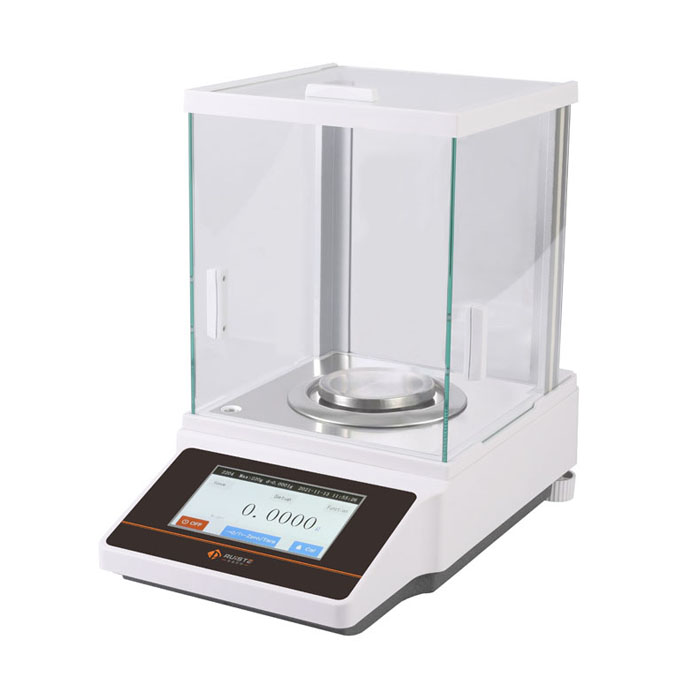
Electronic counting scales stand out from conventional weighing devices due to their dual functionality of accurate weight measurement and intelligent quantity calculation. Unlike basic scales that only display gross weight readings, these specialized tools are engineered to convert weight data into precise piece counts, making them indispensable for handling uniform small and medium-sized items. Their core design focuses on solving the inefficiencies and errors inherent in manual counting work, which has long plagued batch inventory sorting, parts inspection, and product packaging processes. Whether for tiny electronic components, standard hardware accessories, or standardized finished goods, the device can stably identify unit weight differences and output reliable counting results to support daily operational workflows.
The working mechanism of electronic counting scales follows a logical and systematic digital calculation process rooted in consistent unit weight characteristics of identical items. Users first complete a simple sample calibration step by placing a small, known number of target items on the scale platform. The device’s high-sensitivity sensors capture the sample’s total weight and automatically compute the average weight of a single piece. After calibration, users can load bulk identical items onto the platform, and the system instantly divides the total bulk weight by the pre-calculated single-piece weight to generate an accurate total quantity. This fully automated calculation process eliminates manual arithmetic errors and shortens counting time significantly compared with traditional methods.
Core hardware components determine the stable and precise performance of electronic counting scales, with high-precision load cells serving as the most critical part. These sensitive sensing units can capture subtle weight changes on the scale platform and convert mechanical pressure signals into readable electronic data. Supported by intelligent microprocessor chips, the device processes weight data rapidly, filters out environmental interference signals, and corrects minor data deviations in real time. Additionally, the built-in tare function effectively deducts the weight of packaging boxes, trays, or other containers, ensuring that only the net weight of target items is included in counting calculations and further improving result accuracy.
Operational simplicity is a prominent advantage of modern electronic counting scales, making them accessible to operators with no professional technical background. The device is equipped with a clear digital display screen that intuitively shows three core data: single piece weight, total weight, and total quantity, allowing users to read information at a glance. The physical button layout is streamlined and user-friendly, with independent keys for sample calibration, tare clearing, data reset, and counting confirmation. The entire operation process follows a fixed, simple procedure, and users can master basic usage skills after a short period of familiarization, effectively reducing the threshold for daily equipment operation.
Electronic counting scales have extensive application value in industrial manufacturing workshops, especially in parts management and quality inspection links. Production lines often need to count batch-produced standard parts such as screws, nuts, resistors, and connectors to ensure matching quantities for assembly and avoid material shortages or excess inventory. Traditional manual counting for these tiny, high-volume items is not only time-consuming and labor-intensive but also prone to missing or repeated counting. Electronic counting scales complete batch statistics in seconds, ensuring accurate quantity matching for production assembly and improving the overall continuity of manufacturing processes.
Warehouse and inventory management is another key application scenario for electronic counting scales, optimizing the efficiency of stocktaking and goods sorting work. Regular inventory checks require accurate statistics of various standardized stored goods to reconcile physical inventory with system data. Using manual counting for large-quantity goods consumes massive manpower and time, and long-term repetitive work easily leads to fatigue-induced errors. These digital scales support fast batch counting of stored items, help warehouse staff complete inventory verification efficiently, timely identify inventory discrepancies, and ensure the authenticity and accuracy of inventory data for scientific stock management.
In retail and commodity packaging fields, electronic counting scales greatly standardize product batch packaging and delivery processes. Many packaged products are sold in fixed quantities, and precise counting is essential to ensure consistent product specifications and avoid quantity deviations in finished packages. The device can quickly count bulk products before packaging, guaranteeing that each package contains a standard number of items. This not only improves the uniformity of finished products but also reduces customer complaints caused by quantity errors, helping maintain stable product quality and market reputation for merchants and manufacturers.
Modern electronic counting scales are equipped with practical auxiliary functions to adapt to diverse complex usage environments. Most models feature data memory functions that can store the unit weight data of commonly used items, eliminating repeated sample calibration for daily repeated operations and further improving work efficiency. Some devices support data docking and transmission, which can upload counting and weighing data to terminal management systems for unified data recording, statistics, and analysis. This intelligent data management mode facilitates enterprise digital operation management and lays a foundation for standardized process supervision.
Compared with manual counting and traditional mechanical counting equipment, electronic counting scales have obvious comprehensive advantages in accuracy, efficiency and stability. Manual counting accuracy is easily affected by human fatigue, subjective judgment and environmental distractions, with error rates rising sharply in high-volume counting scenarios. Mechanical counting tools have slow response speeds, poor anti-interference ability and cumbersome calibration steps. In contrast, electronic counting scales maintain stable high accuracy in long-term continuous work, have fast response speeds, and are less affected by external environmental factors, ensuring consistent and reliable counting results in long-term batch operation.
Daily maintenance and standardized operation can effectively extend the service life and maintain the optimal performance of electronic counting scales. Users need to keep the scale platform clean and dry regularly to prevent dust, debris or liquid residue from affecting sensor sensitivity and data accuracy. It is necessary to place the equipment on a stable horizontal desktop during use to avoid tilting or vibration interfering with weighing and counting data. Regular simple calibration checks can correct minor data deviations caused by long-term use, ensuring that the device always maintains high-precision working performance in daily applications.
With the continuous upgrading of intelligent manufacturing and digital management systems, electronic counting scales are evolving toward higher precision, stronger intelligence and wider adaptability. Their powerful counting and weighing functions can perfectly match the refined management needs of various industries. As an efficient and reliable precision measuring tool, it not only reduces manual labor costs and operational errors for enterprises but also optimizes the overall operational efficiency of production, warehousing and sales links, becoming an essential basic equipment for modern standardized operational management.
Pruiste supply precision balance,analytical balance,laboratory balance,moisture analyzer,digital viscometer,weighing scale,counting scale for sale, wholesale and custom fabrication. we are a professional manufacturer and supplier of electronic balance in china.
 Chinese Mobile
 Whatsapp Service
 WeChat Service


