

 Language
In the landscape of modern precision laboratory instrumentation, the analytical electronic balance stands as an indispensable foundational device, dedicated to the high-accuracy determination of object mass in microscopic and quantitative analytical scenarios. Unlike ordinary mechanical scales or portable electronic weighing devices that cater to rough mass measurement, this precision instrument is engineered to capture subtle mass variations with ultra-fine resolution, making it exclusively applicable to experimental and industrial links that demand rigorous data accuracy and repeatability. Its core superiority lies in the elimination of mechanical lever friction errors inherent in traditional weighing equipment, replacing manual visual reading and weight matching with fully electronic signal induction, intelligent calculation, and digital output. This fundamental technological upgrade not only streamlines the entire weighing operation process but also significantly reduces systematic and human-induced errors that have long plagued precision weighing work. In all quantitative scientific research, chemical analysis, material testing, and quality inspection fields where mass data serves as the core basic parameter, the analytical electronic balance provides reliable data support, acting as the primary guarantee for the authenticity and validity of subsequent experimental data and analytical conclusions.
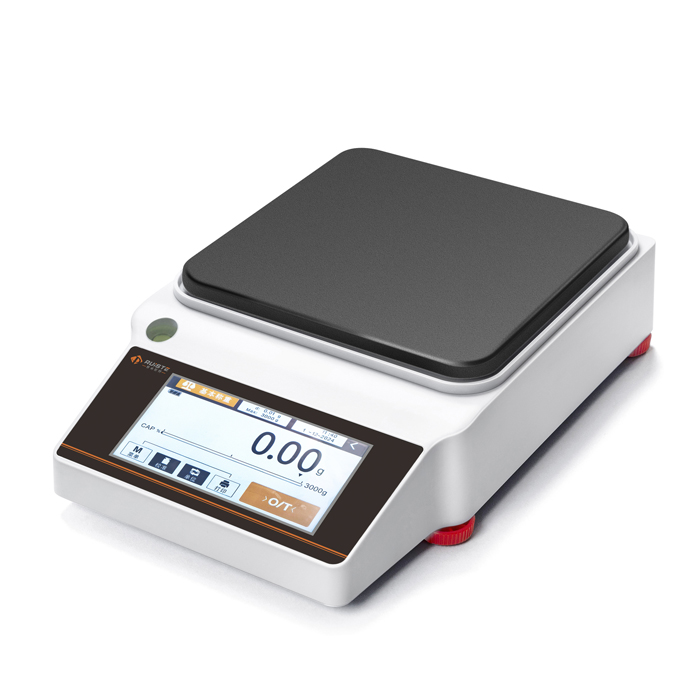
The core operational logic of the analytical electronic balance originates from the mature electromagnetic force restoration technology, a precise physical compensation mechanism that differentiates high-precision analytical balances from conventional electronic weighing tools. The internal core structure is equipped with a high-sensitivity magnetic field system and a precision electromagnetic coil, which work in tandem to complete force balance and signal conversion. When a sample or bearing container is stably placed on the weighing pan, the gravitational force generated by the sample’s mass triggers a tiny vertical displacement of the pan and the connected mechanical transmission component. This micro-displacement, which is almost imperceptible to the human eye, is instantly captured by a high-resolution optical displacement sensor installed inside the instrument. The sensor immediately transmits the collected displacement signal to the built-in microprocessor, which rapidly adjusts the current intensity of the electromagnetic coil in real time. The coil generates an upward electromagnetic force in the stable magnetic field, which precisely counteracts the downward gravitational force of the sample, ultimately restoring the weighing pan to its original horizontal zero position. In this closed-loop adjustment system, the magnitude of the current required to achieve force balance maintains a strict linear proportional relationship with the sample’s mass. After being filtered, amplified, and algorithmically corrected by the internal circuit system, the current signal is converted into intuitive digital mass data, which is finally presented on the high-definition display screen to complete the entire precision weighing process.
The complete structural configuration of the analytical electronic balance is composed of multiple precision components, each undertaking independent and irreplaceable functional responsibilities, jointly supporting the instrument’s high-precision operation and stable performance output. The most external protective and functional component is the transparent draft shield, which fully encloses the weighing cavity to isolate external air flow, floating dust, and tiny airflow fluctuations in the laboratory environment. Even subtle air convection can cause data deviation in microgram-level weighing, so the closed structural design of the draft shield is a key prerequisite for ensuring weighing stability. The horizontal weighing pan, usually made of corrosion-resistant and high-rigidity alloy materials, bears the sample and ensures uniform force transmission, with a smooth and flat surface to avoid eccentric force caused by uneven placement of containers or samples. Below the weighing pan is the core force sensing and transmission unit, including precision load cells, micro-displacement sensors, and electromagnetic coil assemblies, all processed with ultra-high precision to avoid structural deformation and mechanical wear during long-term operation. In addition, the instrument is equipped with a horizontal calibration mechanism composed of level bubbles and adjustable support feet, which corrects the horizontal state of the body in real time to prevent weighing errors caused by inclined force bearing. The built-in intelligent microprocessor, data storage module, and digital display system form the data processing and output terminal, realizing real-time calculation, stable display, and temporary storage of weighing data, while the internal damping structure effectively weakens subtle vibration interference during equipment operation.
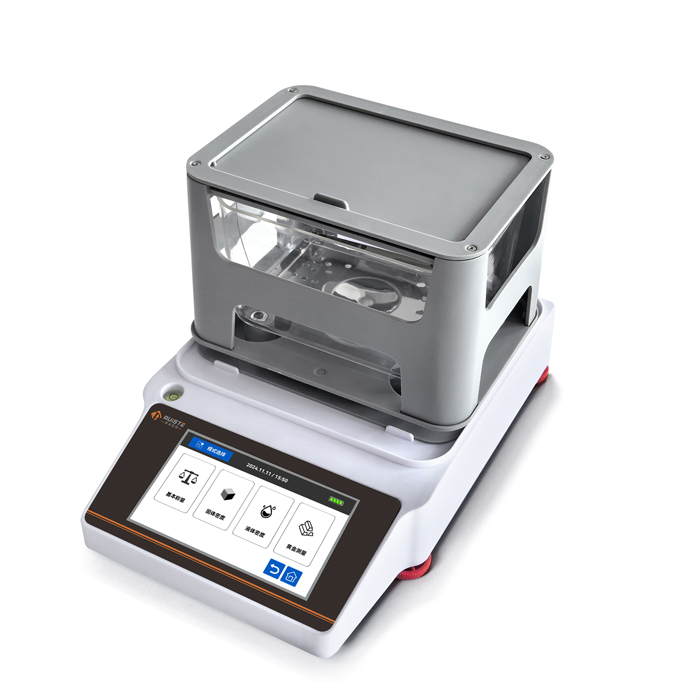
The weighing accuracy and data stability of the analytical electronic balance are extremely sensitive to external environmental factors, and subtle changes in the laboratory environment can directly affect the repeatability and accuracy of weighing results, making environmental control a crucial link in standardized weighing work. Air flow interference is the most common influencing factor; even gentle air convection generated by laboratory air conditioners, exhaust equipment, or personnel walking can act on the surface of the weighing pan and samples, producing subtle additional force and causing continuous jitter of displayed data. Therefore, the instrument must be placed in a relatively closed and static experimental area, and the draft shield must be kept closed during all weighing operations. Temperature change is another key influencing factor. Ambient temperature drift will cause slight thermal expansion and contraction of the internal precision mechanical components and circuit modules, changing the magnetic field stability and coil resistance, thereby interfering with the linear relationship between electromagnetic force and mass. Excessively high or low temperature will reduce instrument sensitivity, while frequent temperature fluctuations will lead to unstable weighing data. In addition, ambient humidity also exerts an obvious impact: excessive humidity will cause slight moisture adhesion on the surface of internal components and the weighing pan, and may even induce subtle circuit leakage, while overly dry air is prone to static electricity accumulation, leading to adsorption of tiny powder samples and affecting weighing accuracy. Meanwhile, ground vibration, electromagnetic radiation generated by surrounding electrical equipment, and even dust accumulation in the weighing cavity will bring potential interference to precision weighing.
Standardized operating procedures are the basic guarantee for maintaining the long-term stable performance of the analytical electronic balance and obtaining accurate and reliable weighing data, and every operation link needs to follow rigorous normative logic. Before starting the weighing work, the operator must first complete the pre-operation inspection and preparation work, including checking the horizontal state of the instrument, adjusting the support feet to make the level bubble in the center position, and confirming that the weighing pan is clean, dry, and free of residual samples and dust. Then the instrument is powered on for preheating, and a sufficient preheating time is required to stabilize the internal magnetic field, circuit state, and mechanical structure, avoiding data deviation caused by unstable initial operation of the equipment. After preheating is completed, the zero-setting operation is carried out to eliminate the influence of the self-weight of the weighing pan and subtle static interference, ensuring that the instrument starts weighing from the standard zero state. When placing samples, it is necessary to avoid direct placement of bulk samples on the weighing pan; instead, clean, dry weighing paper or special weighing containers should be used, and the container weight should be removed through the tare function in advance. The sample placement position should be centered and stable to prevent eccentric force from causing unbalanced stress on the sensing component. During the weighing process, the operator needs to keep a safe distance, avoid breathing directly towards the weighing cavity, and refrain from touching the instrument table and equipment to prevent vibration and airflow interference. After the data is completely stable and recorded, the sample should be taken out in time, and the weighing cavity and pan should be cleaned to keep the instrument in a clean standby state.

Error control is the core key of analytical electronic balance application, and comprehensive identification and suppression of various potential errors can effectively improve the credibility of weighing data. The errors affecting the instrument’s weighing results are mainly divided into systematic errors, random errors, and gross errors, with different generation mechanisms and targeted control methods. Systematic errors mostly stem from long-term subtle changes in internal components, incomplete calibration, or unstandardized instrument placement, which are regular and repeatable deviations. Such errors can be effectively reduced by regular professional calibration, daily horizontal correction, and standardized placement. Random errors are mainly induced by sudden fluctuations in the external environment, such as instantaneous airflow impact, occasional ground micro-vibration, and subtle temperature drift, which are irregular and uncontrollable in a single operation. The effective way to suppress random errors is to adopt multiple parallel weighing methods, calculate the average value of multiple groups of data, and eliminate the interference of accidental deviations through statistical rules. Gross errors are entirely caused by human operational mistakes, including inaccurate zero setting before operation, non-tared container weight, eccentric sample placement, premature data reading before stability, and environmental interference caused by non-standard operation habits. This type of error can be completely avoided by standardizing operational procedures and improving operator professional proficiency. In addition, long-term accumulation of dust and residual samples inside the instrument will cause slow drift of systematic errors, so regular cleaning and maintenance are also important auxiliary means of error control.
The excellent precision performance of the analytical electronic balance enables it to be widely used in multiple professional fields involving quantitative analysis, becoming a core tool for precision measurement in scientific research and industrial detection. In academic and scientific research laboratories, it is mainly used for the precise preparation of experimental reagents, the weighing of trace experimental samples, and the quantitative verification of experimental results, providing accurate basic data for chemical reaction research, material component analysis, and physical property testing. In pharmaceutical research and production links, the instrument is used for the precise weighing of raw pharmaceutical materials, auxiliary materials, and trace active ingredients, ensuring the accuracy of pharmaceutical formula ratios and providing basic guarantees for the stability and safety of pharmaceutical products. In food and beverage testing and formula research, it completes the precise measurement of food raw materials, additives, and trace detection samples, supporting product formula optimization and food safety quality inspection. Environmental detection laboratories rely on analytical electronic balances to weigh filter membranes, atmospheric dust samples, and water sediment samples, realizing quantitative analysis of environmental pollutants and providing data support for environmental monitoring and pollution assessment. In forensic detection and trace evidence analysis, the instrument can accurately measure tiny trace samples such as fiber residues and particle pollutants, providing effective technical support for case investigation and evidence identification. In the field of material science, it is used to test the mass change of materials before and after chemical reactions and physical changes, supporting the research and development of new materials and performance testing.
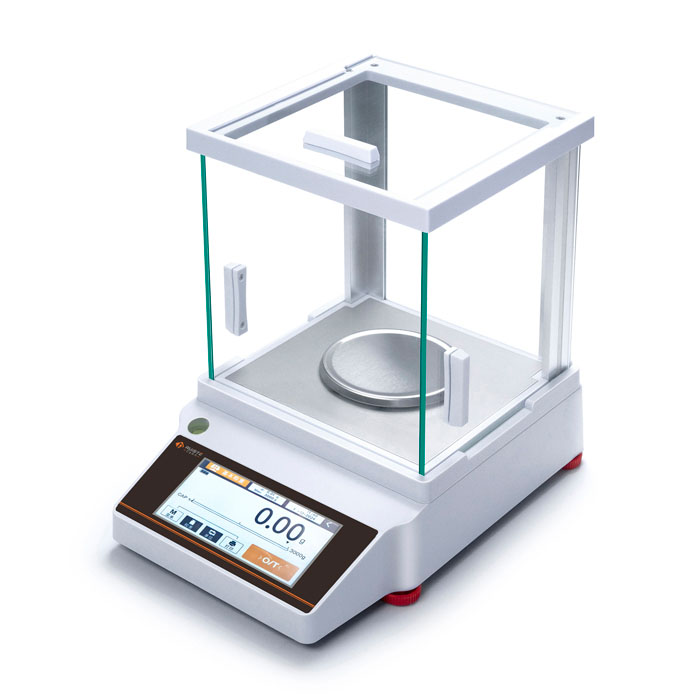
Regular calibration is an essential core link to maintain the long-term accuracy and stability of the analytical electronic balance, and it is a necessary technical means to eliminate equipment performance drift and ensure data traceability. After long-term continuous operation, the internal magnetic field intensity, coil sensitivity, and mechanical structure of the instrument will produce subtle aging and drift, and daily temperature and humidity changes and vibration interference will also cause cumulative deviation of weighing performance, making regular calibration indispensable. The calibration work is divided into daily quick calibration and regular professional precision calibration. Daily calibration is completed by operators before daily use, mainly through the built-in self-calibration function of the instrument to correct small deviations caused by daily environmental changes and short-term equipment operation drift, ensuring the basic accuracy of daily weighing data. Regular professional calibration requires the use of standard calibration weights with high precision and known mass to carry out multi-point calibration covering low, medium, and high weighing ranges. By comparing the measured value of the instrument with the standard mass value, the system deviation is calculated, and the internal algorithm parameters are corrected to eliminate systematic errors in the full weighing range. In addition, calibration must be carried out in a standardized stable environment, avoiding operation in environments with excessive temperature and humidity, unstable air flow, or severe vibration, to ensure the effectiveness and accuracy of calibration results. Timely calibration can effectively delay the aging of instrument performance, maintain the linear accuracy of the full measuring range, and ensure that the weighing data of each operation is true and effective.
Scientific daily maintenance and standardized storage management can effectively extend the service life of the analytical electronic balance, maintain its optimal working state, and reduce the failure rate and performance drift rate of precision components. Daily maintenance focuses on cleaning and environmental maintenance. After each use, the weighing pan, draft shield inner wall, and weighing cavity must be carefully cleaned with soft dust-free tools to remove residual sample powder, liquid droplets, and floating dust, preventing corrosive samples from adhering to precision components and causing structural corrosion or sensitivity attenuation. It is strictly forbidden to rinse the instrument body with liquid directly to avoid circuit damage and component aging caused by water inflow. The instrument placement environment needs to be kept dry, clean, and stable, avoiding long-term exposure to high temperature, high humidity, strong electromagnetic radiation, and corrosive gas environments, to prevent aging and deformation of internal precision mechanical structures and circuit modules. During long-term standby or idle periods, the instrument should be powered off and covered with a dust cover to prevent dust accumulation in the internal gap, and regular power-on preheating and idle operation should be carried out regularly to activate circuit and mechanical components. In addition, the adjustable support feet and horizontal state should be checked regularly to ensure long-term horizontal placement of the instrument, avoiding long-term inclined force bearing leading to permanent deformation of sensing components and affecting weighing accuracy. The weighing pan and draft shield should be handled gently during use and maintenance to prevent collision and extrusion deformation.
With the continuous progress of electronic information technology and precision manufacturing technology, the performance and functional design of analytical electronic balances have been continuously optimized and upgraded, realizing the transformation from single weighing function to intelligent and diversified precision measurement equipment. Early analytical electronic balances only realized basic electronic weighing and digital display functions, with single functional modules, slow response speed, poor anti-interference ability, and weak data processing capacity. Modern analytical electronic balances integrate intelligent sensing technology, digital algorithm optimization, and automatic control technology, realizing automatic zero tracking, automatic temperature drift compensation, automatic calibration, and stable data locking functions. The built-in high-performance microprocessor greatly improves the speed of signal collection, calculation, and response, shortening the weighing stabilization time and improving operational efficiency. At the same time, the anti-interference performance of the instrument is significantly enhanced, with optimized internal damping structure and signal filtering algorithm, which can effectively suppress subtle vibration and electromagnetic interference in the external environment and improve the stability of weighing data. In terms of data management, modern instruments are equipped with perfect data storage, query, and transmission functions, which can record multiple groups of weighing data in real time, automatically generate data records, and support data export and remote transmission, facilitating experimental data sorting, traceability, and archiving. In addition, the humanized structural design such as lightweight body, ultra-quiet operation, and high-definition touch display greatly optimizes the operating experience and improves the convenience of daily laboratory work.
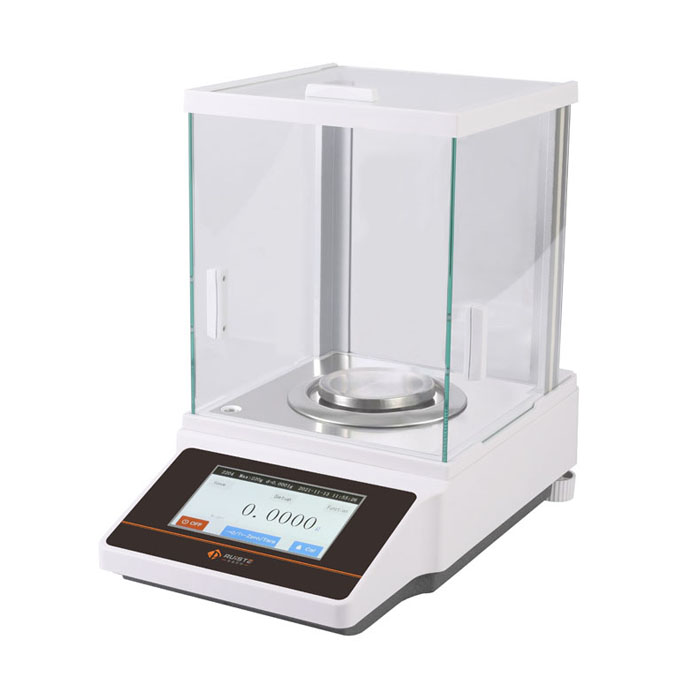
In the daily application process of analytical electronic balances, some common operational misunderstandings and non-standard usage habits often lead to inaccurate weighing data and accelerated instrument performance aging, which need to be fully recognized and avoided by operators. A common misunderstanding is ignoring the preheating link and starting weighing immediately after power-on. The internal magnetic field and circuit system of the instrument need a certain time to reach a stable working state, and immediate weighing after power-on will lead to unstable current signal and obvious data deviation. Another frequent problem is frequent opening of the draft shield during weighing and operation in an environment with unclosed air flow, which makes the weighing cavity susceptible to external airflow interference and causes data jitter and unstable readings. Some operators also have the habit of placing excessive samples beyond the weighing range or placing samples eccentrically, which will cause overloading of the sensing component and long-term unbalanced force bearing, not only leading to inaccurate data but also causing permanent damage to precision components. In addition, neglecting daily cleaning and regular calibration, using uncleaned weighing containers, and reading data before the instrument is completely stable are all typical non-standard operations. Long-term adherence to these incorrect usage habits will not only reduce the accuracy and repeatability of weighing data but also accelerate the aging failure of internal precision structures and shorten the service life of the instrument.
As a core precision measuring instrument in modern analytical testing and scientific research work, the analytical electronic balance undertakes the important task of providing high-precision basic mass data for various professional fields, and its performance stability and data accuracy directly determine the quality of experimental research and detection results. All quantitative scientific exploration, material performance testing, product quality inspection, and trace analysis work rely on the accurate mass measurement data provided by analytical electronic balances, and its technical advantages of high precision, high stability, and low error make it irreplaceable in precision measurement scenarios. From basic academic laboratory teaching and scientific research to industrial product research and development and quality control, from environmental pollution monitoring and food safety detection to forensic trace evidence analysis and pharmaceutical precision production, the instrument runs through all links of quantitative analysis, providing solid basic technical support for the development of various disciplines and industrial upgrading. With the continuous improvement of precision manufacturing technology and intelligent level, the performance of analytical electronic balances will be further optimized, with higher measurement resolution, stronger environmental adaptability, and more perfect intelligent data management functions. In future scientific research and industrial detection work, standardized use, scientific maintenance, and reasonable performance development of analytical electronic balances will continue to play a key role in improving the accuracy of experimental data, standardizing detection processes, and promoting the innovative development of precision analytical technology.
Pruiste supply precision balance,analytical balance,laboratory balance,moisture analyzer,digital viscometer,weighing scale,counting scale for sale, wholesale and custom fabrication. we are a professional manufacturer and supplier of electronic balance in china.
 Chinese Mobile
 Whatsapp Service
 WeChat Service


