

 Language
In the realm of scientific research and quantitative analysis, precision is the cornerstone of reliable results. Among the myriad instruments that enable this precision, the analytical laboratory balance stands out as a fundamental tool. From chemical synthesis to pharmaceutical development, from environmental monitoring to material science, this instrument plays an indispensable role in measuring mass with exceptional accuracy. Unlike ordinary weighing devices, analytical laboratory balances are designed to detect minute differences in mass, often to the order of milligrams or even micrograms. This level of precision is not merely a technical feature but a prerequisite for advancing scientific knowledge, ensuring the reproducibility of experiments, and validating hypotheses.
To appreciate the functionality of analytical laboratory balances, it is essential to understand their underlying working principles. At the core of most modern analytical balances is the electromagnetic force restoration (EMFR) principle, which has largely replaced the traditional mechanical beam balances due to its superior precision and stability. The EMFR principle operates on the basis of counteracting the gravitational force exerted on the sample with an electromagnetic force. When a sample is placed on the balance pan, the pan deflects downward under the influence of gravity. This deflection is detected by a photoelectric sensor, which sends a signal to an electronic control circuit. The circuit then generates an electric current that flows through a coil situated within a magnetic field. The electromagnetic force produced by this current acts upward, counterbalancing the gravitational force of the sample. The current required to restore the pan to its original position is directly proportional to the mass of the sample. This current is then converted into a digital readout, providing the user with an accurate mass measurement.
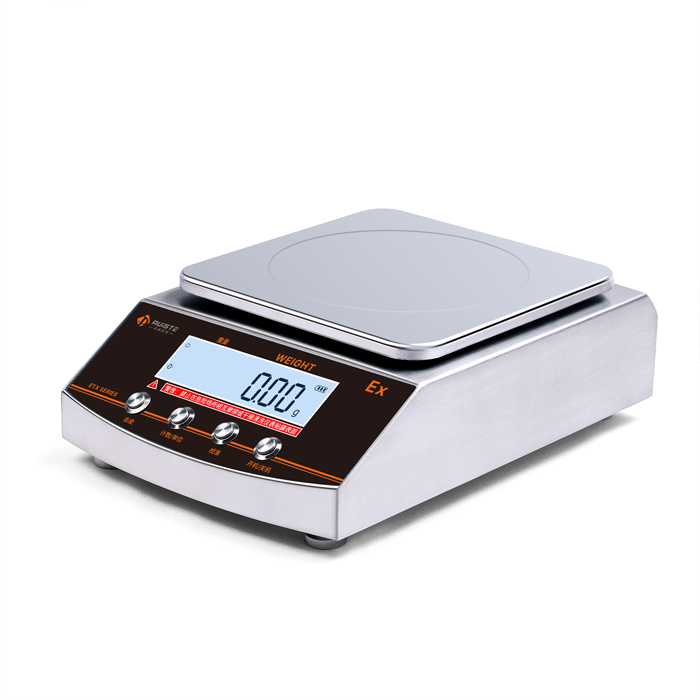
The precision of EMFR-based balances is enhanced by several design features, including a rigid mechanical structure to minimize external vibrations, a sealed weighing chamber to protect against air currents and dust, and temperature compensation mechanisms to counteract the effects of temperature fluctuations on the magnetic field and electronic components. These design elements work in tandem to ensure that the balance can operate reliably even in environments where external factors might otherwise compromise measurement accuracy. Unlike mechanical balances, which rely on the alignment of beams and weights, EMFR balances eliminate the potential for human error associated with manual weight placement and reading, further elevating their precision.
Analytical laboratory balances are available in several types, each tailored to specific applications and precision requirements. The most common types include analytical balances, semi-micro balances, micro balances, and ultra-micro balances. Analytical balances are the workhorses of most laboratories, offering a readability of 0.1 milligram (mg) or 0.0001 grams (g) and a maximum capacity typically ranging from 100 to 500 grams. These balances are suitable for a wide range of routine applications, such as weighing reagents for chemical reactions, determining the mass of biological samples, and preparing standard solutions.
Semi-micro balances offer higher precision than standard analytical balances, with a readability of 0.01 mg (0.00001 g) and a maximum capacity of around 100 grams. They are commonly used in applications that require greater accuracy, such as trace analysis, pharmaceutical formulation development, and forensic science. Micro balances take precision a step further, with a readability of 0.001 mg (0.000001 g) and a maximum capacity of approximately 30 grams. These balances are essential for measuring extremely small samples, such as nanoparticles, small quantities of rare chemicals, or biological molecules like proteins and DNA.
Ultra-micro balances represent the pinnacle of weighing precision, with a readability of 0.0001 mg (1 picogram) and a maximum capacity of just a few grams. They are used in highly specialized fields, such as atomic physics, nanotechnology, and advanced materials research, where even the smallest variations in mass can have significant implications. Each type of balance is designed with specific technical specifications to meet the unique demands of its intended application, and selecting the appropriate balance is a critical step in ensuring the accuracy and reliability of experimental results.
The accurate operation of analytical laboratory balances is contingent upon adhering to a set of key considerations and best practices. First and foremost, the balance must be placed in an appropriate environment. The ideal location is a stable, vibration-free surface, such as a dedicated balance table with anti-vibration pads. Vibrations from nearby equipment, foot traffic, or even air conditioning units can cause fluctuations in the balance’s readout, leading to inaccurate measurements. Additionally, the weighing environment should be free from drafts, as air currents can exert a force on the balance pan, disrupting the balance’s equilibrium. To mitigate this, most analytical balances are equipped with a transparent, sealed weighing chamber that can be closed during measurements.
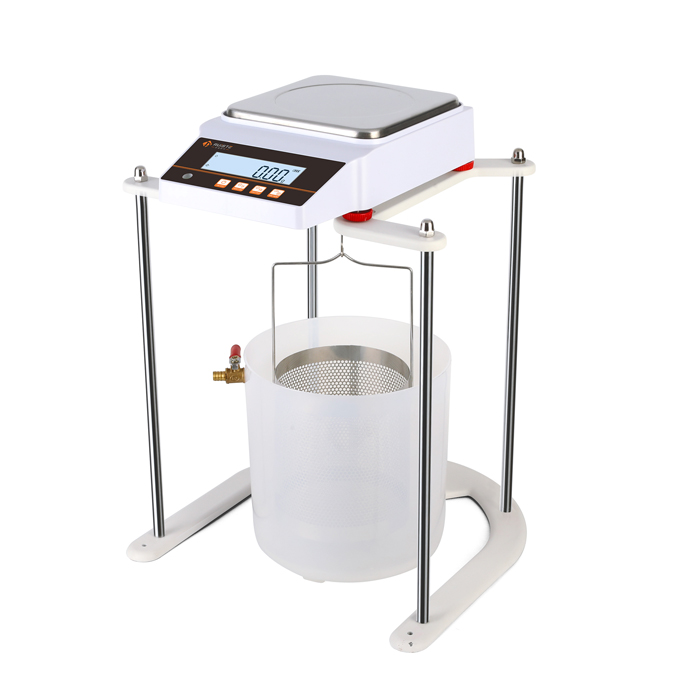
Temperature is another critical factor that can affect the performance of analytical balances. Changes in temperature can alter the properties of the balance’s electronic components, the magnetic field, and even the sample itself (e.g., through evaporation or thermal expansion). As such, the balance should be operated in a room with a stable temperature, typically between 18°C and 25°C, and away from heat sources such as Bunsen burners, ovens, or direct sunlight. It is also advisable to allow the balance to warm up for a specified period (usually 30 minutes to an hour) before use to ensure that its components have reached a stable operating temperature.
Proper sample handling is equally important for obtaining accurate measurements. Samples should be placed in a suitable container, such as a weighing boat, crucible, or vial, to prevent direct contact with the balance pan, which can cause contamination or corrosion. The container should be clean and dry, and its mass (the tare weight) should be subtracted from the total mass reading to obtain the mass of the sample alone. This tare function is a standard feature on all modern analytical balances, allowing for quick and easy subtraction of the container’s mass. When placing or removing samples from the balance pan, users should use tweezers or gloved hands to avoid transferring oils, moisture, or contaminants from their skin to the sample or the balance. Additionally, samples that are extremely hot or cold should be allowed to reach room temperature before weighing, as temperature differentials can create air currents within the weighing chamber and affect the balance’s measurements.
Regular calibration is a vital practice to ensure that an analytical laboratory balance remains accurate over time. Calibration involves comparing the balance’s measurements to known standard weights and adjusting the balance if discrepancies are found. Over time, factors such as mechanical wear, changes in environmental conditions, and transportation can cause the balance to drift from its original calibration. The frequency of calibration depends on the frequency of use, the level of precision required, and the specific application. In most laboratories, balances are calibrated at least once a year, but more frequent calibration may be necessary for balances used in critical applications or in harsh environments. Calibration should be performed by trained personnel using certified standard weights that meet the appropriate accuracy class.
Routine maintenance is essential for prolonging the lifespan of analytical laboratory balances and ensuring consistent performance. Daily maintenance tasks include cleaning the weighing chamber and pan with a soft brush or a lint-free cloth to remove any dust, spills, or residue. If the balance becomes contaminated with chemicals, it should be cleaned immediately with an appropriate solvent (e.g., ethanol for organic contaminants) to prevent corrosion. The balance’s exterior should also be cleaned regularly to remove dirt and debris. It is important to avoid using abrasive cleaners or sharp tools, as these can scratch or damage the balance’s components.

Long-term maintenance includes inspecting the balance’s mechanical and electronic components for signs of wear or damage, such as loose connections, frayed wires, or cracks in the weighing chamber. The balance’s leveling feet should be checked periodically to ensure that the balance is level, as an unlevel balance can lead to inaccurate measurements. Additionally, the balance’s battery (if applicable) should be replaced or recharged as needed to prevent unexpected power failures during use. Proper storage is also important when the balance is not in use; it should be covered with a dust cover and stored in a dry, temperature-controlled environment.
The significance of analytical laboratory balances extends far beyond their role as mere weighing instruments; they are enablers of scientific progress across numerous disciplines. In chemistry, for example, the accurate measurement of reactants is essential for determining reaction stoichiometry, calculating yields, and understanding reaction mechanisms. Without precise mass measurements, chemical research would be unable to advance beyond qualitative observations, hindering the development of new materials, drugs, and industrial processes.
In the pharmaceutical industry, analytical balances play a critical role in ensuring the safety and efficacy of drugs. The precise measurement of active pharmaceutical ingredients (APIs) and excipients is required to formulate drugs with consistent dosages. Even minor variations in the mass of APIs can lead to underdosed or overdosed medications, which can have serious consequences for patient health. Analytical balances are also used in quality control testing to verify the purity and composition of drug products, ensuring that they meet the required standards.
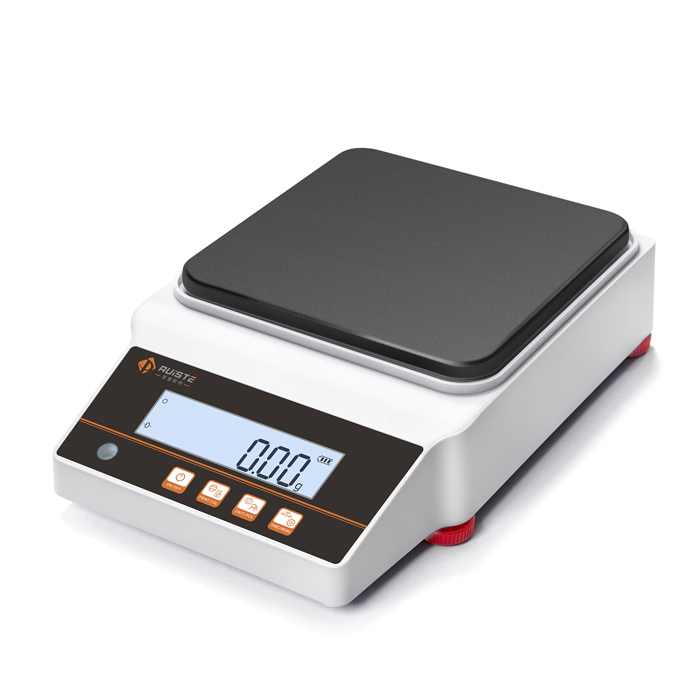
In environmental science, analytical balances are used to measure samples of soil, water, and air for the presence of contaminants. For example, in the analysis of heavy metals in groundwater, the mass of the sample and the reagents used in the detection process must be measured with high precision to ensure accurate quantification of the contaminant concentration. This information is critical for assessing environmental risks, developing remediation strategies, and enforcing environmental regulations.
In material science, the development of new materials with specific properties relies heavily on precise mass measurements. For instance, in the production of composite materials, the mass ratio of the constituent materials must be carefully controlled to achieve the desired mechanical, thermal, or electrical properties. Analytical balances enable researchers to accurately measure these ratios, facilitating the development of advanced materials for applications such as aerospace, electronics, and renewable energy.
In the field of biology and life sciences, analytical balances are used to measure biological samples such as cells, tissues, and biomolecules. For example, in molecular biology experiments, the mass of DNA or RNA samples must be measured precisely to ensure that the correct amount is used in PCR (polymerase chain reaction) or other amplification techniques. In biochemistry, the accurate measurement of enzymes and substrates is essential for studying enzyme kinetics and understanding biological pathways.
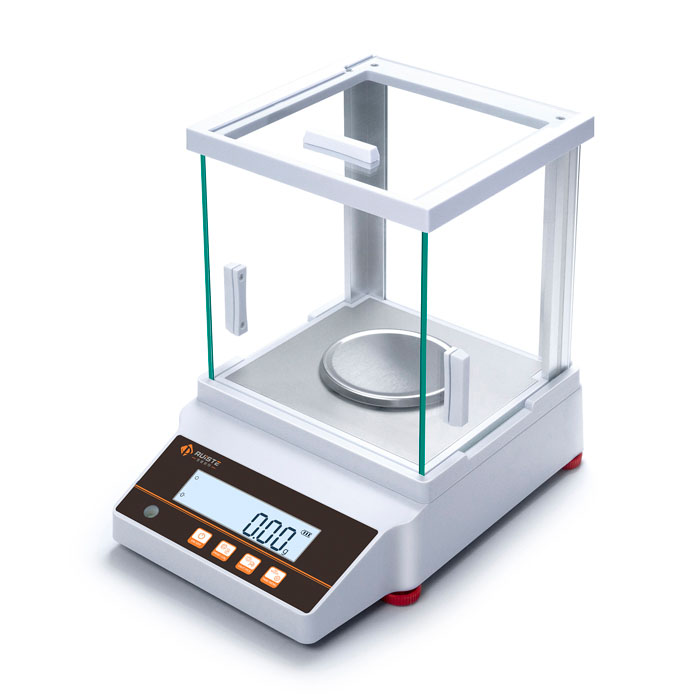
Despite their widespread use and importance, analytical laboratory balances are not without limitations. One of the primary limitations is their sensitivity to external factors, such as vibrations, drafts, and temperature fluctuations, which can affect measurement accuracy. Additionally, the maximum capacity of high-precision balances (e.g., micro and ultra-micro balances) is relatively small, limiting their use to small samples. Another limitation is the cost; high-precision analytical balances can be expensive, making them inaccessible to some smaller laboratories or educational institutions with limited budgets. However, advances in technology are continually addressing these limitations, with the development of more robust, cost-effective balances that offer improved precision and stability.
Looking to the future, the evolution of analytical laboratory balances is likely to be driven by advancements in electronics, materials science, and automation. The integration of artificial intelligence (AI) and machine learning algorithms may enable balances to automatically adjust for environmental factors, such as vibrations and temperature changes, further improving measurement accuracy. Additionally, the development of smaller, more portable analytical balances could expand their use in field research, environmental monitoring, and other applications where laboratory-based weighing is not feasible. The integration of analytical balances with other laboratory instruments, such as chromatographs and spectrometers, could also streamline analytical workflows, reducing the need for manual sample handling and improving the efficiency of scientific research.
In conclusion, analytical laboratory balances are indispensable tools in modern scientific research, enabling precise mass measurements that are essential for advancing knowledge across numerous disciplines. Their working principles, rooted in electromagnetic force restoration, provide the high level of precision required for critical applications in chemistry, pharmaceuticals, environmental science, material science, and biology. By adhering to best practices for use, calibration, and maintenance, researchers can ensure that these balances deliver reliable and accurate results. While they have certain limitations, ongoing technological advancements are continually enhancing their performance and expanding their capabilities. As scientific research continues to push the boundaries of precision and accuracy, the analytical laboratory balance will remain a cornerstone of quantitative analysis, playing a vital role in driving innovation and discovery.
Pruiste supply precision balance,analytical balance,laboratory balance,moisture analyzer,digital viscometer,weighing scale,counting scale for sale, wholesale and custom fabrication. we are a professional manufacturer and supplier of electronic balance in china.
 Chinese Mobile
 Whatsapp Service
 WeChat Service


