

 Language
The analytical precision balance stands as one of the most fundamental and indispensable instruments in modern scientific experimentation, industrial quality control, and academic research, serving as the cornerstone of accurate mass measurement across countless professional fields. Unlike conventional weighing tools that prioritize speed and general usability over meticulous accuracy, this high-precision device is engineered to detect and quantify minute variations in sample mass that would otherwise remain unmeasurable by standard laboratory equipment. Its unique value lies in its ability to deliver consistent, reliable, and ultra-fine measurement results, a capability that underpins the validity of experimental data, the precision of material formulation, and the credibility of quality inspection processes worldwide. Every discipline that relies on quantitative material analysis, from chemical synthesis and biological assay development to environmental pollutant detection and advanced material research, depends heavily on the stable performance and precise output of analytical precision balances. Even the smallest deviation in mass measurement can trigger significant errors in subsequent experimental calculations, product component ratios, and analytical conclusions, making the proper understanding, operation, and maintenance of these instruments a critical skill for all laboratory professionals and technical practitioners.
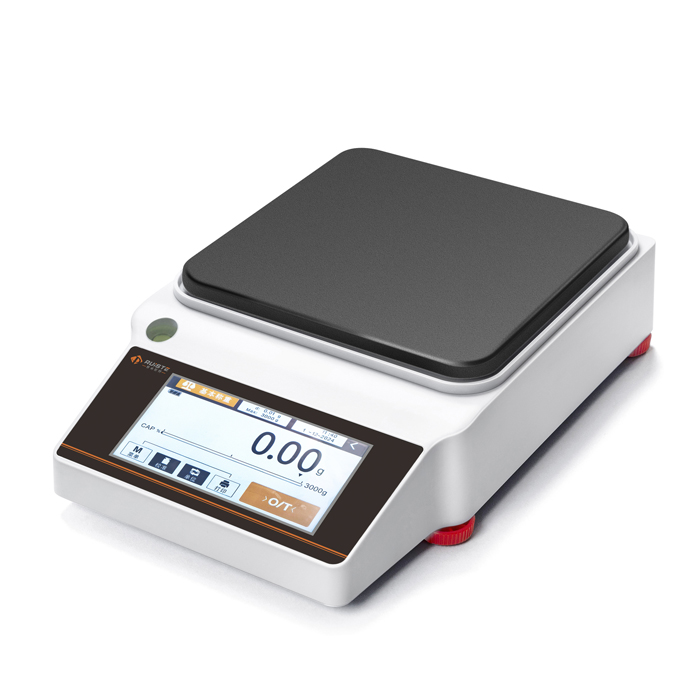
At the core of all modern analytical precision balances lies the mature and highly optimized electromagnetic force restoration principle, a technological mechanism that has replaced traditional mechanical beam weighing structures to achieve unprecedented measurement accuracy and operational stability. The working logic of this principle is based on precise force balance compensation, eliminating the mechanical friction and structural deviation that plague conventional weighing devices. When a sample is placed on the weighing pan of the balance, the gravitational force generated by the sample’s mass exerts a slight downward pressure on the pan, causing a tiny, almost imperceptible displacement of the internal weighing mechanism. High-sensitivity displacement sensors immediately capture this subtle positional change and transmit real-time electrical signals to the instrument’s built-in microprocessor system. The intelligent control algorithm rapidly calculates the electromagnetic force required to counteract the sample’s gravitational pull, adjusting the current flowing through the internal electromagnetic coil in real time to generate an upward balancing force that perfectly offsets the downward weight of the sample. Once the weighing pan returns to its original zero-displacement equilibrium position, the system converts the stable current value, which is linearly proportional to the sample mass, into a standardized digital mass reading, completing the entire high-precision weighing process. This non-mechanical balancing method effectively avoids systematic errors caused by mechanical wear, structural deformation, and lever imbalance, laying a solid technical foundation for ultra-fine mass detection.
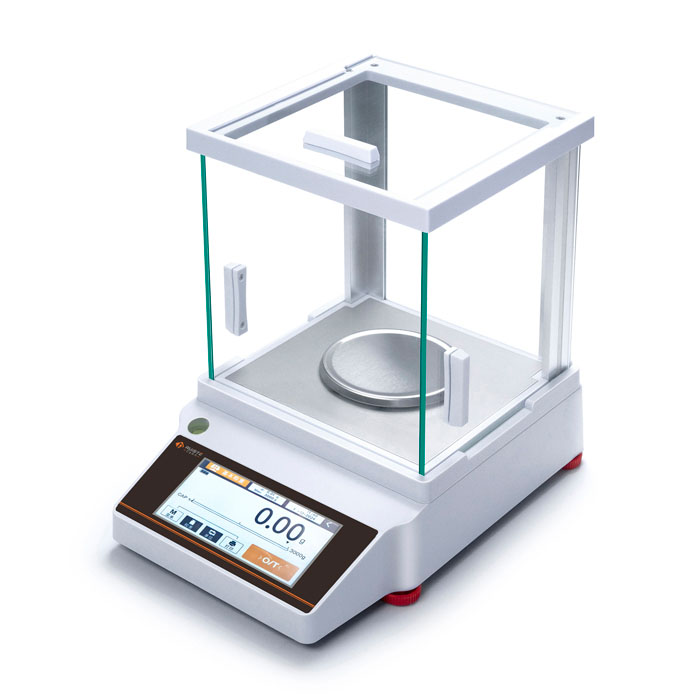
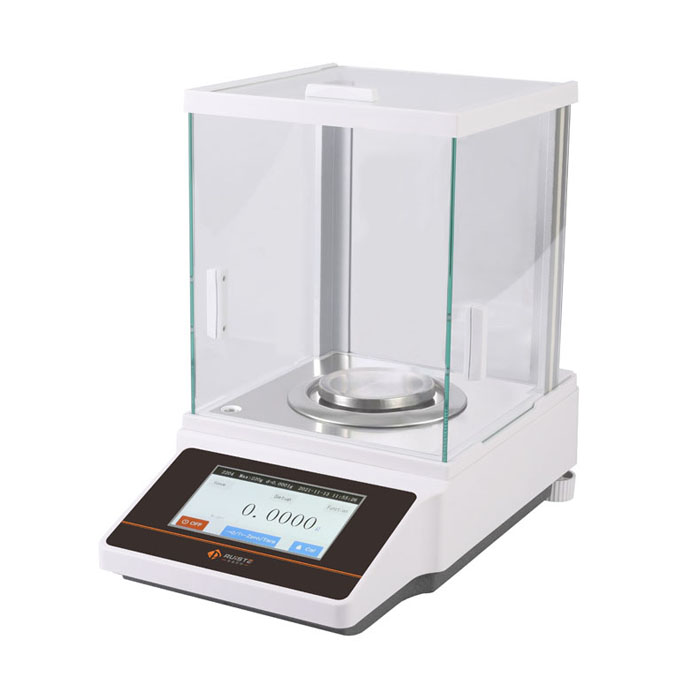
The structural design of analytical precision balances is meticulously optimized to adapt to high-precision measurement scenarios, with every component tailored to minimize external interference and maximize internal stability. The most intuitive core accessory is the transparent draft shield that fully encloses the weighing chamber, a essential structure that isolates the tiny air currents generated by indoor ventilation, personnel movement, and environmental airflow fluctuations. Even subtle air turbulence can produce force interference sufficient to alter microgram-level measurement results, so the closed protective structure of the draft shield, usually equipped with flexible sliding doors, ensures a static and stable weighing environment while allowing convenient sample placement and retrieval. The weighing pan itself is manufactured from high-strength, corrosion-resistant, and deformation-free alloy materials, with a smooth and flat surface that ensures uniform force bearing of samples and avoids measurement deviations caused by uneven contact stress. Inside the instrument, precision electromagnetic coils, high-resolution displacement sensors, and intelligent data processing chips form a compact and integrated measurement unit, shielded by a metal housing to resist electromagnetic interference from surrounding laboratory equipment. Additionally, adjustable horizontal foot pads and a built-in bubble level are standard configurations, enabling operators to calibrate the instrument’s horizontal state accurately, as any tilt of the balance body will disrupt the force balance system and lead to irreversible measurement errors.
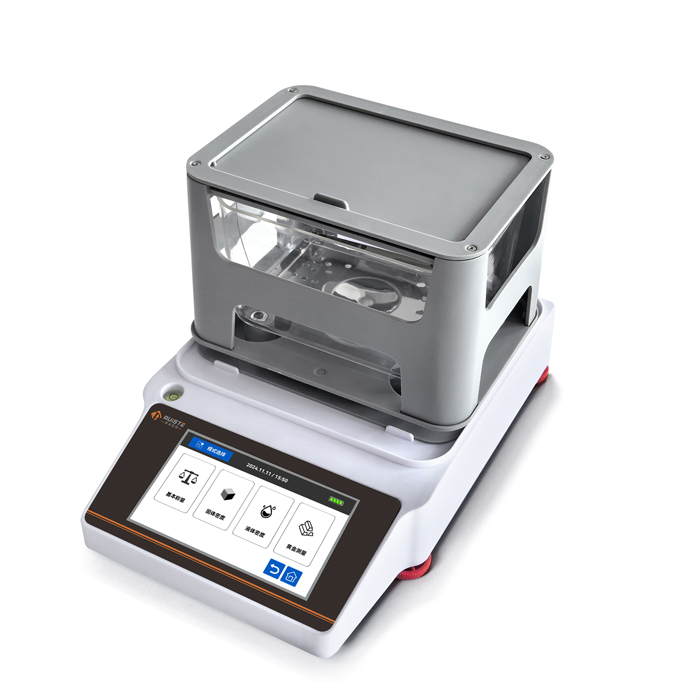
Environmental sensitivity is a defining characteristic of analytical precision balances, distinguishing them from ordinary weighing instruments and imposing strict operational environment requirements for users. These high-precision devices are extremely susceptible to fluctuations in ambient temperature, humidity, air pressure, vibration, and electromagnetic radiation, all of which can compromise measurement repeatability and accuracy. Temperature changes cause slight thermal expansion and contraction of the instrument’s internal metal components and circuit structures, altering the electromagnetic force balance state and leading to drifting reading values. Excessively high ambient humidity may induce slight moisture condensation on internal circuit components, triggering signal instability and even short-term circuit anomalies, while overly dry environments can generate static electricity, which adheres to tiny samples and distorts mass measurement data. Ground vibration transmitted through laboratory floors, whether from nearby instrument operation, personnel walking, or building facility operation, will produce micro-shakes in the weighing system, preventing the instrument from achieving stable equilibrium readings. Moreover, strong electromagnetic fields generated by high-power laboratory equipment can interfere with the normal operation of the internal electromagnetic coil and sensor system, disrupting the linear correspondence between current signals and mass values. For these reasons, professional laboratories always arrange dedicated independent weighing areas for analytical precision balances, away from doors, windows, ventilation outlets, and high-power equipment, maintaining a constant temperature and humidity, static, and vibration-free working environment.
Standardized operational procedures are essential to maximize the performance of analytical precision balances and ensure long-term measurement accuracy, as irregular manual operations are one of the most common sources of measurement error. Before initiating any weighing work, operators must complete comprehensive pre-operation inspections and preparations to eliminate potential interference factors. First, the horizontal state of the instrument must be verified via the built-in bubble level, with foot pads adjusted promptly if deviation is observed to ensure the balance body is completely horizontal. Next, the weighing pan and draft shield interior must be inspected for residual sample debris, dust, or foreign contaminants, with soft, dust-free cleaning tools used to remove all impurities that may affect weighing results. After confirming a clean and horizontal state, the instrument is powered on and allowed to undergo a sufficient warm-up period, enabling internal circuit components and electromagnetic systems to reach a stable working state and avoid data drift caused by insufficient equipment preheating. Prior to sample weighing, a zero calibration operation is mandatory to eliminate zero drift generated by long-term standby or environmental changes, ensuring the instrument’s initial measurement state is accurate. During the formal weighing process, samples must be placed gently in the center of the weighing pan to avoid eccentric force bearing, and the draft shield doors must be closed fully before waiting for stable readings to prevent airflow interference.

In addition to basic static weighing operations, modern analytical precision balances are equipped with diverse intelligent functional modules that expand their application scope and improve experimental efficiency significantly. Most advanced models feature automatic internal calibration functions, which monitor environmental parameter changes in real time and trigger self-calibration procedures automatically when temperature or humidity fluctuations exceed a certain threshold, eliminating tedious manual calibration work and ensuring continuous measurement accuracy throughout long-term operation. Tare weighing functionality is another core practical feature, allowing operators to zero out the mass of containers, weighing papers, or test tubes, enabling direct acquisition of pure sample mass data and avoiding secondary calculation errors. Many instruments also support cumulative weighing, percentage weighing, and density measurement modes, meeting the diversified testing needs of complex experimental scenarios. Built-in data storage and output functions enable the automatic recording of weighing data, time stamps, and operational parameters, facilitating experimental data traceability, experimental result sorting, and subsequent data analysis. Some models are also compatible with external data transmission interfaces, supporting real-time data transmission to laboratory data management systems, which standardizes experimental data management and reduces manual recording errors effectively.
Analytical precision balances are widely applied in academic and scientific research laboratories, serving as a basic guarantee for the accuracy of cutting-edge scientific research and teaching experiments. In chemical research, these instruments are used for the precise weighing of chemical reagents, standard substances, and experimental samples, supporting the configuration of ultra-low concentration standard solutions, the synthesis of precision proportioned chemical products, and the quantitative analysis of chemical reaction yields. Trace chemical experiments, microscale synthesis reactions, and quantitative component analysis all rely on the ultra-high resolution of analytical balances to capture tiny mass changes that reflect subtle chemical reaction processes. In biological and life science research, the instrument is used for weighing biological samples, culture medium raw materials, and experimental reagents, ensuring the precise proportioning of microbial culture systems and biological assay reagents, which directly affects the activity and experimental results of biological samples. In university and vocational college laboratory teaching, analytical precision balances are core teaching equipment, helping students master standardized precision weighing techniques, cultivate rigorous experimental thinking, and understand the basic principles of quantitative scientific analysis, laying a solid operational foundation for future scientific research and technical work.
The industrial manufacturing and quality control fields rely heavily on analytical precision balances to ensure product quality stability and production process standardization, especially in high-precision manufacturing, fine chemical, and pharmaceutical industries. In pharmaceutical production, the precise weighing of raw medicinal materials, auxiliary materials, and finished product test samples directly determines the accuracy of drug component ratios and the safety and efficacy of pharmaceutical products. Trace deviations in raw material weighing may lead to substandard drug content, affecting product qualification rates and even clinical medication safety. In the fine chemical industry, the production of high-purity chemical reagents, cosmetic raw materials, and food additives requires ultra-precise mass proportioning of raw materials to ensure the stability of product composition, color, and efficacy. In new material research and manufacturing, analytical balances are used to weigh nano-materials, composite material components, and experimental additives, supporting the development of high-performance new materials with precise component ratios. In industrial quality inspection links, the instrument is applied to sample sampling inspection, component content verification, and product consistency testing, providing accurate data support for enterprise quality control systems and helping enterprises maintain stable product quality standards.
Environmental monitoring and forensic analysis are two professional fields that place extremely high demands on the precision and sensitivity of analytical balances, relying entirely on their performance to complete trace sample detection work. In environmental testing laboratories, staff need to weigh tiny filter membrane samples, atmospheric dust settlement samples, water body sediment samples, and soil trace pollutant samples, whose mass changes are often at the microgram level. Accurate weighing of these trace samples is the premise for calculating environmental pollutant concentration, analyzing pollution component proportions, and evaluating environmental pollution levels. Slight weighing errors will be amplified in subsequent data calculation processes, leading to biased environmental monitoring results and affecting the accuracy of environmental assessment and pollution control decision-making. In forensic laboratories, analytical precision balances are used to weigh trace evidence such as tiny drug residues, fiber fragments, paint debris, and soil residues extracted from crime scenes. The accurate mass data of these trace evidences provides important quantitative support for case investigation, evidence identification, and judicial appraisal, ensuring the scientificity and rigor of forensic analysis results and providing reliable technical basis for judicial judgment work.
Scientific daily maintenance and regular professional calibration are key to maintaining the long-term stable performance and service life of analytical precision balances, as these sophisticated precision instruments require delicate care far beyond conventional laboratory equipment. Daily maintenance focuses on environmental management and operational cleaning: operators need to keep the laboratory environment clean, dry, and stable, avoiding dust accumulation, moisture erosion, and corrosive gas contact with the instrument. After each use, the weighing pan and draft shield cavity must be cleaned gently with soft cleaning tools to remove residual samples and dust, preventing sample residue from absorbing moisture, deteriorating, or corroding the instrument’s precision components. The instrument should be kept in a long-term power-on standby state for frequent use, maintaining the stable working temperature of internal circuits and avoiding performance fluctuations caused by repeated cold start and stop. For long-term unused equipment, regular power-on activation and calibration are required to prevent component aging and signal drift caused by long-term dormancy. In addition, operators should avoid placing over-weight samples on the weighing pan to prevent permanent damage to the internal electromagnetic balance system and sensor components.
Common operational faults and error sources of analytical precision balances can be effectively avoided and eliminated through standardized judgment and processing methods, ensuring the continuity and accuracy of measurement work. The most frequent problem is unstable reading drift, which is usually caused by environmental airflow interference, insufficient instrument warm-up, unstable ambient temperature, or residual static electricity on the sample or container. For such faults, operators can close the draft shield tightly, extend the warm-up time, stabilize the laboratory environment, and eliminate static electricity through static elimination tools to restore reading stability. Another common problem is inaccurate weighing results, which may stem from unlevel instrument placement, incomplete zero calibration, contaminated weighing pans, or eccentric sample placement. In this case, rechecking the horizontal state, re-calibrating the zero point, cleaning the weighing chamber, and standardizing sample placement can effectively correct measurement deviations. Mechanical failures such as unresponsive weighing pans and abnormal startup failures are mostly caused by long-term dust accumulation, component aging, or improper manual operation, which require professional technical personnel for disassembly, cleaning, maintenance, and component replacement. Regular fault inspection and timely troubleshooting can effectively extend the service cycle of the instrument and reduce the cost of equipment replacement and maintenance.
As scientific and technological innovation continues to advance and various industries continuously upgrade their precision detection standards, analytical precision balances are also evolving toward higher accuracy, stronger intelligence, better environmental adaptability, and more convenient human-computer interaction. Modern upgraded models adopt optimized electromagnetic balance structures and high-precision sensor technologies, further improving measurement resolution, repeatability, and anti-interference ability, enabling stable detection of ultra-trace microgram-level mass changes in more complex laboratory environments. Intelligent algorithm optimization realizes real-time monitoring and automatic compensation of environmental parameter changes, greatly reducing the impact of external environmental fluctuations on measurement results and lowering the threshold of manual operation and environmental control. The integration of intelligent data management systems realizes the whole-process traceability, automatic sorting, and remote transmission of weighing data, which is more in line with the standardized and intelligent development needs of modern laboratory management. As the core basic precision measuring instrument, the analytical precision balance will continue to play an irreplaceable key role in scientific research, industrial production, environmental monitoring, forensic analysis, and other fields, providing solid and accurate quantitative data support for the progress of scientific research and the standardized development of various industries. Mastering its working principle, standardized operation, scientific maintenance, and fault processing methods is not only a basic professional skill for laboratory practitioners but also an important guarantee to ensure the authenticity, accuracy, and rigor of all quantitative experimental research and detection work.
Pruiste supply precision balance,analytical balance,laboratory balance,moisture analyzer,digital viscometer,weighing scale,counting scale for sale, wholesale and custom fabrication. we are a professional manufacturer and supplier of electronic balance in china.
 Chinese Mobile
 Whatsapp Service
 WeChat Service


