

 Language
Bench weighing scales stand as one of the most fundamental yet indispensable measuring instruments in modern daily operations, industrial production, commercial transactions, and laboratory testing. Differing from large floor-standing weighing equipment and miniature portable weighing tools, these tabletop weighing devices are engineered to balance compact structural design with stable weighing performance, making them adaptable to diverse flat work surfaces such as operation benches, worktables, and laboratory countertops. Their core positioning lies in providing medium-range weight measurement solutions that prioritize accuracy, convenience, and operational efficiency, filling the functional gap between high-precision analytical balances and heavy-duty industrial weighing scales. In practical application scenarios, bench weighing scales are responsible for the weight detection of single or batch small and medium-sized items, covering raw material sampling inspection, finished product quality verification, packaging weight calibration, and daily commodity weighing. With the continuous optimization of manufacturing technology and sensor performance, modern bench weighing scales have evolved from simple mechanical weighing tools into intelligent multi-functional measuring equipment, gradually becoming a standard configuration in countless production and service links, and laying a solid foundation for standardized and quantitative operational management in various industries.
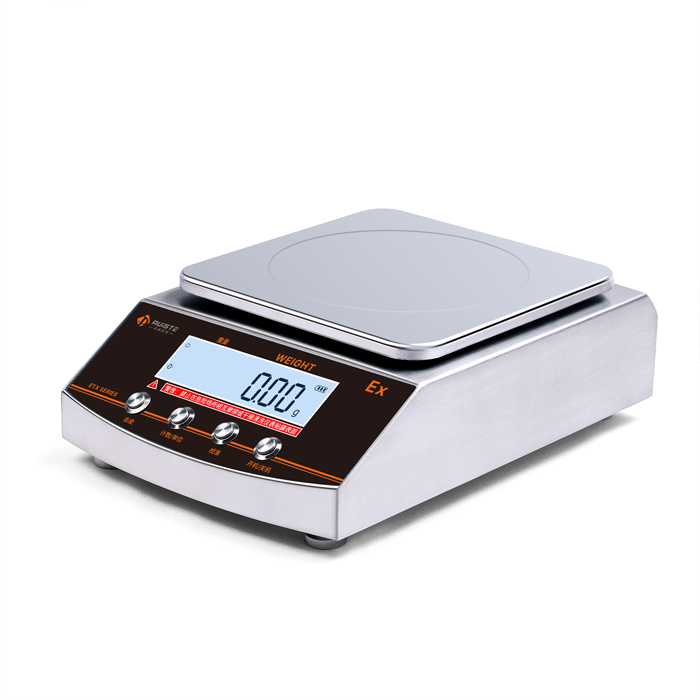
The evolution of bench weighing scale technology reflects the progressive development of precision measuring instrument manufacturing and industrial automation. In the early stages of development, bench weighing scales were purely mechanical structures, relying on spring deformation and lever force balance principles to complete weight measurement. Such mechanical bench scales featured extremely simple internal structures, consisting of basic components such as weighing platforms, connecting levers, tension springs, and pointer dials, with no electronic components or power supply systems required. This original structural design endowed early bench scales with outstanding durability and environmental adaptability, allowing them to operate stably in environments without power support and resisting interference from minor electrical fluctuations and humidity changes. However, the inherent limitations of mechanical structures were also prominent: the elastic fatigue of springs after long-term use would lead to gradual deviation of weighing data, manual pointer reading easily caused visual errors, and the response speed of weight measurement was slow, making it difficult to meet the efficient and high-precision weighing needs of large-batch and refined production. With the popularization of electronic sensing technology and microprocessor control systems in the late twentieth century, electronic bench weighing scales gradually replaced mechanical models and became the mainstream of the market, realizing a qualitative leap in weighing accuracy, response speed, and functional expansion.
The core working principle of modern electronic bench weighing scales is based on the signal conversion and processing mechanism of load cell sensors, which is the key to achieving accurate digital weighing. When an object to be weighed is stably placed on the scale’s weighing platform, the gravity of the object acts directly on the internal load cell fixed under the platform, causing slight elastic deformation of the strain gauge attached to the load cell structure. This tiny deformation will change the resistance value of the strain gauge, thereby altering the current and voltage parameters of the internal circuit and generating a weak analog electrical signal that is positively correlated with the weight of the object. The subsequent built-in analog-to-digital conversion module of the scale will convert the collected analog signal into a recognizable digital signal, and transmit it to the high-sensitivity microprocessor for data sorting, filtering, and calibration calculation. After eliminating interference signals such as slight vibration and static electricity generated by the external environment, the microprocessor converts the processed digital data into standard weight values, which are finally presented on the high-definition display screen in real time. Compared with mechanical weighing methods, this electronic signal conversion and processing mechanism avoids manual reading errors and mechanical structural wear deviations, achieving more stable and reliable weighing results, and greatly improving the overall measurement efficiency.
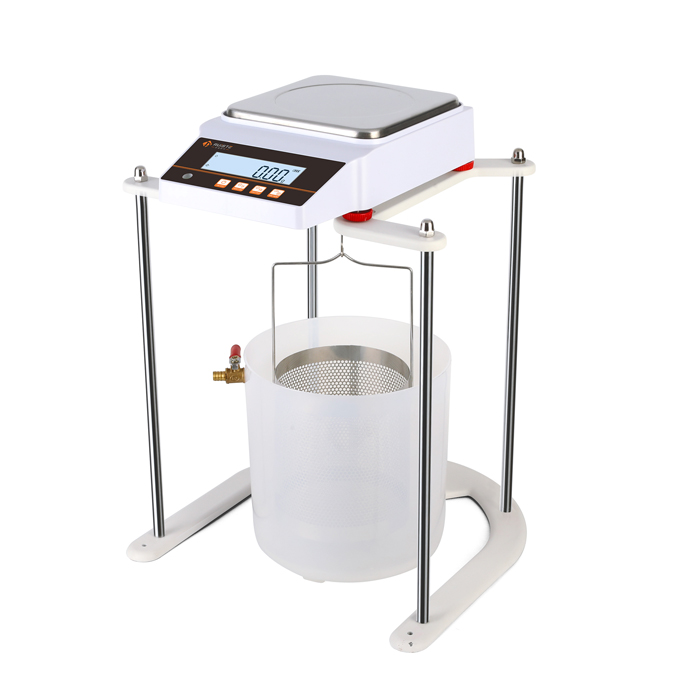
The structural design and material selection of bench weighing scales are carefully optimized around practical application demands, focusing on balancing structural stability, environmental adaptability, and easy maintenance performance. The external weighing platform, as the direct bearing component of the measured object, mostly adopts stainless steel materials with excellent corrosion resistance, wear resistance, and easy cleaning characteristics. This material can resist the erosion of common chemical reagents, oil stains, and water stains in industrial production and commercial environments, and will not be easily scratched or deformed during frequent placement and handling of items, ensuring the long-term flatness of the weighing surface. The internal base and supporting structure are usually made of high-strength alloy materials, which can effectively bear the rated load, reduce structural vibration during weighing, and avoid data jitter caused by platform shaking. The shell part uses high-hardness engineering plastic or metal spraying materials, which can isolate internal electronic components from external dust, moisture, and mechanical collision damage. In addition, the bottom of the scale is equipped with adjustable foot pads, which can adapt to uneven tabletop surfaces, level the overall equipment, and further ensure the accuracy of weighing detection. Every detail of the structural design is oriented to long-term stable operation in complex application environments, reducing the failure rate of equipment and extending the service life.
Modern bench weighing scales integrate a wealth of practical functional designs on the basis of basic weighing, greatly expanding their application scenarios and operational convenience. The tare clearing function is the most widely used basic auxiliary function, which can automatically deduct the weight of packaging boxes, containers, and trays, directly displaying the net weight of the measured items and avoiding repeated manual calculation and recording. The unit conversion function supports free switching between multiple weight units, adapting to different measurement habits and statistical standards in various industries. Most bench scales are also equipped with automatic zero tracking and automatic calibration functions, which can automatically correct zero drift caused by environmental changes or long-term use, ensuring that each weighing data is within the accurate range. In terms of data processing, mid-to-high-end bench weighing scales support real-time data storage, query, and transmission, which can record multiple groups of continuous weighing data, facilitate subsequent data sorting, statistics, and traceability, and can also be connected with external terminal equipment to realize synchronous transmission of weighing information. Some models also add overload protection, vibration filtering, and low-power reminder functions, which can effectively protect the internal sensor structure, adapt to slightly vibrating working environments, and remind users of equipment status in a timely manner, further improving the safety and stability of daily use.
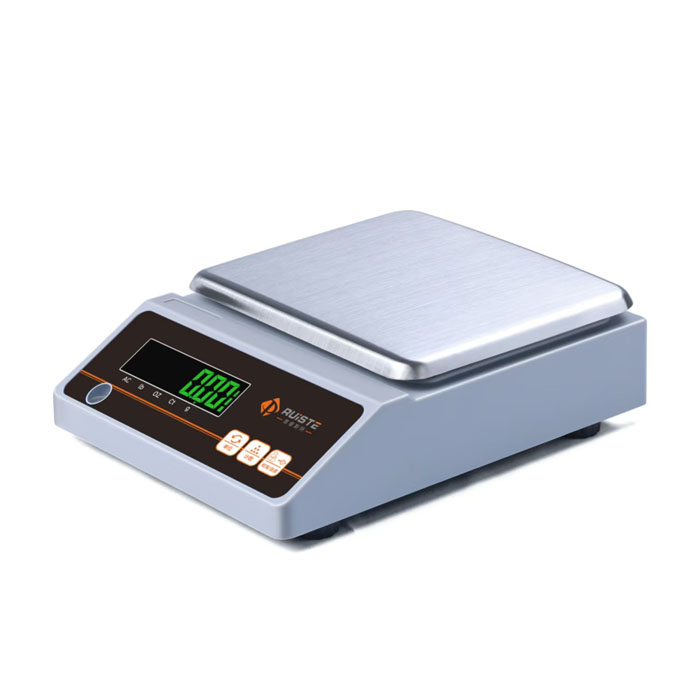
Bench weighing scales have extremely wide application coverage, penetrating into quality detection, production management, and transaction measurement links of almost all light industrial and commercial industries. In food processing and catering industries, they are used for accurate weighing of raw material ingredients, standardized proportioning of food formulas, and weight detection of finished packaged products, ensuring the uniformity of product specifications and compliance with production standards. In pharmaceutical and chemical laboratories, bench scales complete precise weighing of experimental reagents, raw material samples, and finished drug particles, providing accurate data support for experimental research and product development. In logistics and warehousing links, they are responsible for weighing small-batch goods, verifying packaging weight standards, and sorting and counting items, improving the efficiency of goods entry and exit management. In retail and commodity trading scenarios, bench scales provide accurate weighing basis for bulk commodity transactions, ensuring the fairness and standardization of trading behaviors. In addition, they also play an important role in electronic accessory processing, hardware product detection, agricultural product screening, and other fields, becoming an essential basic measuring tool for refined operation management in various industries.
By comparing the performance characteristics and applicable scenarios of mechanical and electronic bench weighing scales, we can clearly sort out the differentiated application value of different types of equipment. Traditional mechanical bench scales have extremely low use and maintenance costs, no dependence on power supply, and strong anti-interference ability, and can work normally in high-dust, high-humidity, and unstable power environments. Their structural failure rate is extremely low, and daily maintenance only needs simple cleaning and structural inspection, which is very suitable for simple weighing scenarios with low accuracy requirements and inconvenient power supply. However, their defects are also obvious: low weighing accuracy, susceptible to manual reading errors, no intelligent data processing function, and easy accuracy attenuation after long-term use. Electronic bench weighing scales, by contrast, have absolute advantages in accuracy, efficiency, and intelligence. They have high weighing resolution, fast response speed, stable data repeatability, and can realize automatic data recording and intelligent management. The only limitations are the dependence on power supply, slightly higher maintenance requirements, and susceptibility to strong electromagnetic interference and extreme temperature environments. The two types of scales complement each other in the market, meeting the diversified weighing needs of users in different application environments and accuracy standards.
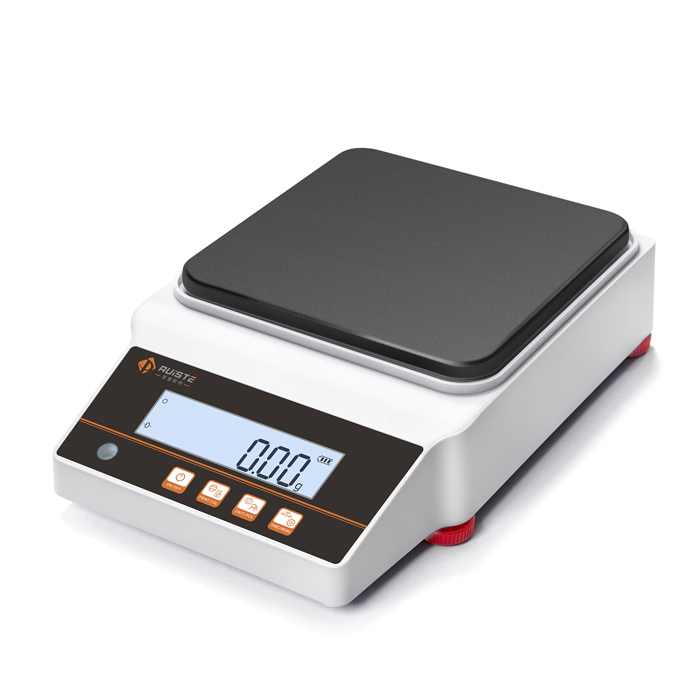
Standardized use specifications and correct operation methods are key factors to ensure the long-term accurate and stable operation of bench weighing scales. Before each use, users need to place the equipment on a stable, horizontal, and flat workbench, adjust the bottom foot pads to keep the scale body balanced, and check whether the display screen returns to zero normally. If zero drift occurs, manual zero clearing or self-calibration operation is required in advance. During the weighing process, items to be measured should be placed gently in the center of the weighing platform to avoid eccentric placement and violent impact, so as to prevent local stress concentration from causing sensor deformation and affecting measurement accuracy. Overload weighing is strictly prohibited in daily use; long-term overload operation will cause irreversible damage to the internal load cell, resulting in permanent accuracy deviation and equipment failure. After the weighing operation is completed, users need to clean the weighing platform surface in time to remove residual dust, stains, and sundries, avoid long-term adhesion of corrosive substances, and turn off the equipment power when it is not in use for a long time. Standardized operation habits can not only ensure the accuracy of each weighing data but also effectively reduce equipment wear and prolong the overall service life of bench scales.
Scientific daily maintenance and regular calibration are essential to maintain the optimal performance of bench weighing scales and reduce measurement errors. In daily maintenance, the equipment shell and weighing platform should be cleaned regularly with soft cleaning tools and neutral cleaning solutions, avoiding the use of corrosive solvents and hard cleaning tools that may scratch the surface and damage structural components. The internal circuit and sensor parts need to be kept dry and dust-proof; in humid working environments, moisture-proof treatment should be done regularly to prevent circuit short circuit and sensor failure. The adjustable foot pads and movable connecting parts should be inspected periodically to ensure flexible rotation and stable support, and loose parts should be tightened in time. In terms of accuracy maintenance, regular calibration is indispensable. After long-term use, environmental changes, or equipment movement, the weighing accuracy of bench scales may drift, so regular calibration operations are required to correct data deviation. For equipment used in high-precision detection scenarios, the calibration cycle needs to be appropriately shortened to ensure that the weighing data always maintains high consistency and accuracy, avoiding measurement errors affecting production quality and transaction fairness.
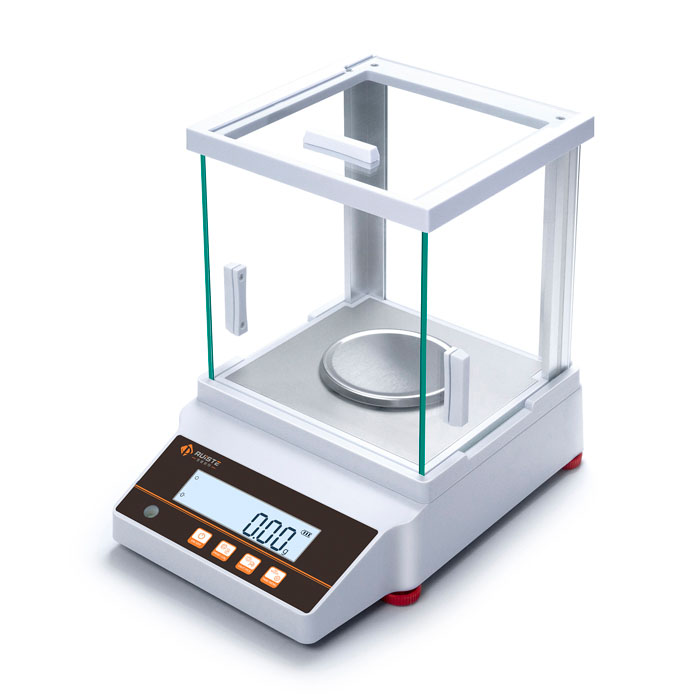
With the continuous progress of industrial intelligence and Internet of Things technology, bench weighing scale products are also undergoing continuous technological iteration and functional upgrading, moving towards intelligence, miniaturization, and networking. Early electronic bench scales only had single weighing and display functions, with simple data processing capabilities and poor anti-interference performance. Modern new-generation bench weighing scales adopt upgraded high-precision load cell sensors and optimized signal filtering algorithms, which can effectively resist external interference such as ambient vibration, static electricity, and temperature changes, and further improve the stability and accuracy of weighing data. In terms of intelligent functions, new products are equipped with intelligent judgment systems, which can automatically identify unqualified products with overweight or underweight specifications, and support data cloud storage and remote query, realizing digital and traceable weighing management. In terms of structural optimization, the equipment is more compact and lightweight, with a more humanized operation interface, simpler operation steps, and stronger adaptability to different working spaces. The continuous technological upgrading makes bench weighing scales break through the limitations of traditional single weighing function, and evolve from a single measuring tool into an important part of industrial intelligent management systems.
The reasonable selection of bench weighing scales needs to be based on actual application scenarios, accuracy requirements, and working environment conditions, to avoid performance mismatch and resource waste. First of all, the weighing range should be matched with the maximum weight of daily measured items, and it is necessary to reserve a reasonable load margin on the basis of meeting daily weighing demands, so as to avoid long-term full-load operation affecting equipment life, while preventing excessive range leading to reduced weighing accuracy. Secondly, the weighing accuracy grade should be selected according to the actual use demand; high-precision models are required for laboratory detection and refined product processing, while ordinary precision models can meet the demands of conventional commodity weighing and batch sorting. In terms of environmental adaptability, scales used in dust-prone, humid, or corrosive environments need to prioritize products with good sealing performance and corrosion-resistant materials; for scenarios with frequent mobile use, compact and portable lightweight models should be selected. In addition, functional configuration should be matched with operational demands: scenarios requiring data statistics and transmission need to equip with intelligent data transmission functions, and multi-scene unit switching demands need to support diversified unit conversion functions. Scientific selection can maximize the use value of bench weighing scales and ensure the rationality and efficiency of weighing work.
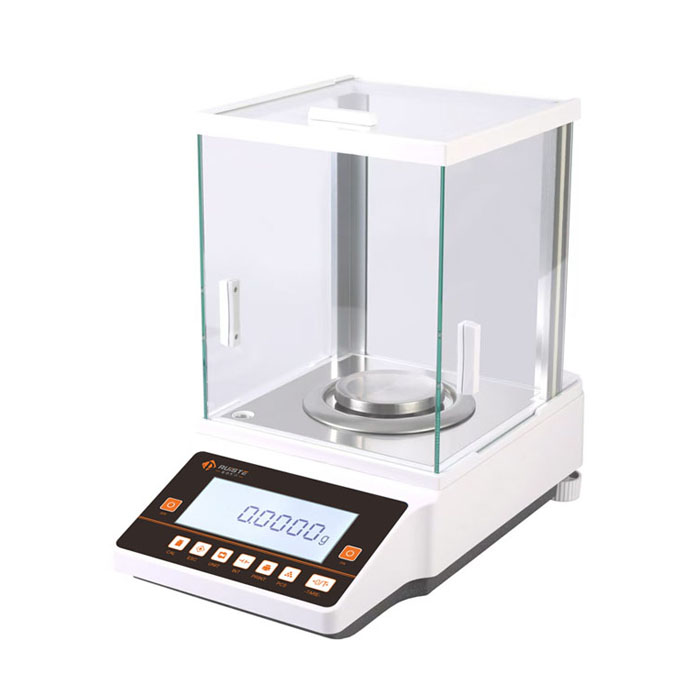
As a basic and universal precision measuring instrument, bench weighing scales carry important functional value in industrial production, commercial transactions, and scientific research detection, and their role in standardized and refined social production and operation management is irreplaceable. From the initial mechanical weighing structure to the current intelligent electronic weighing system, the technological innovation of bench weighing scales has always been centered on user application demands, continuously optimizing weighing accuracy, operational efficiency, and environmental adaptability, and constantly expanding functional boundaries. In the future, with the further development of sensor technology, intelligent algorithms, and Internet of Things technology, bench weighing scales will achieve further breakthroughs in high precision, strong anti-interference, intelligent linkage, and remote management. They will be more closely integrated with industrial automation systems and digital management platforms, providing more accurate, efficient, and intelligent weighing data support for all walks of life, and continuously empowering the standardized development and quality improvement of various industries. Even with the continuous upgrading of industrial equipment, bench weighing scales will always maintain their unique application advantages of compactness, efficiency, and versatility, and remain an indispensable basic measuring tool in modern social production and life.
Pruiste supply precision balance,analytical balance,laboratory balance,moisture analyzer,digital viscometer,weighing scale,counting scale for sale, wholesale and custom fabrication. we are a professional manufacturer and supplier of electronic balance in china.
 Chinese Mobile
 Whatsapp Service
 WeChat Service


