

 Language
Body weight scales have evolved into essential daily health monitoring devices for modern households, fitness spaces, and daily health management scenarios, serving as intuitive tools for individuals to track physical changes and maintain physical health. Unlike traditional measuring tools that only provide single data feedback, contemporary body weight scales integrate mature sensing technology, ergonomic design, and intelligent functional optimization, forming a diversified product system that adapts to different usage scenarios and user groups. The core value of a body weight scale lies in its ability to provide real-time, accurate, and repeatable body weight data, helping users establish regular health awareness, track physical changes caused by diet, exercise, and daily routines, and provide basic data support for scientific physical management. With the continuous upgrading of consumer health awareness, the functional positioning of body weight scales has gradually expanded from simple weight measurement to comprehensive physical condition monitoring, and their structural design, material selection, and technical parameters have also been continuously optimized to meet the increasingly refined usage needs of different groups of people.
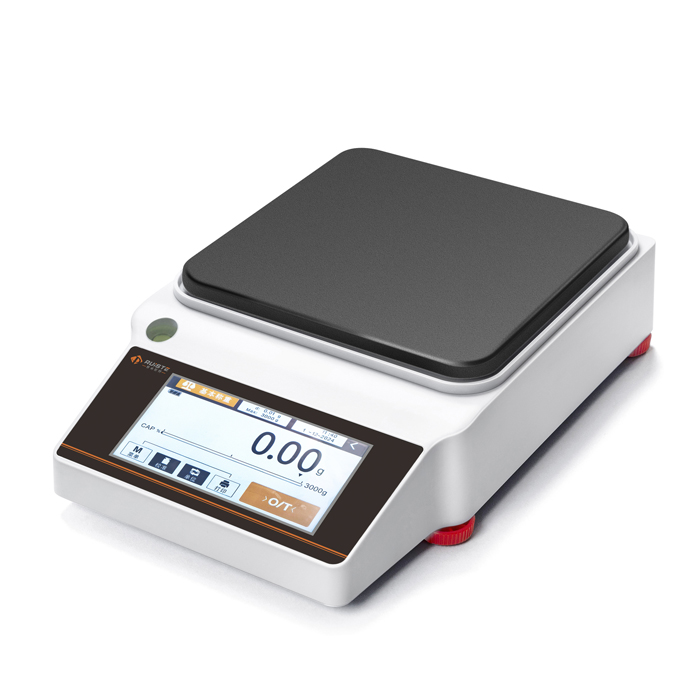
The classification of modern body weight scales is diverse, and the most mainstream classification method divides products into mechanical body weight scales, basic digital electronic body weight scales, and intelligent body composition weight scales according to working principles and functional attributes, each with independent application scenarios and user positioning. Mechanical body weight scales are the earliest mature type of weight measuring equipment, relying on mechanical spring compression and pointer transmission principles to complete weight detection, with a classic structural design that has been inherited for decades. This type of scale features pure physical operation without any electronic components, requiring no power supply, and can be used stably for a long time with simple maintenance. Basic digital electronic body weight scales adopt electronic load cell sensing technology, abandoning the pointer display mode of mechanical products, and present weight data through high-definition electronic screens, realizing more accurate data reading and simpler operation logic. Intelligent body composition weight scales are upgraded products based on electronic weighing technology, equipped with bioelectrical impedance sensing modules and intelligent data analysis systems, which can complete multi-dimensional physical data detection while measuring body weight, breaking through the single-function limitation of traditional weight scales.
In terms of product materials, body weight scales form a standardized and optimized material matching system for different structural parts, including the weighing platform, base, sensing components, and display modules, ensuring the stability, durability, and safety of the whole machine. The weighing platform, as the core contact part between the user and the equipment, mostly adopts high-strength tempered glass, engineering plastic, and carbon fiber composite materials in mainstream products. Tempered glass platforms are the most widely used, with high light transmittance, smooth texture, easy cleaning and maintenance, and strong pressure resistance, and can maintain stable structural performance under long-term standing pressure. Engineering plastic platforms are mostly used in entry-level lightweight products, featuring light weight, drop resistance, and low production cost, with good anti-slip coating treatment on the surface to improve standing safety. Carbon fiber composite materials are mostly used in mid-to-high-end products, with higher structural toughness, anti-fatigue performance, and temperature adaptability, avoiding slight deformation of the platform caused by long-term heavy pressure. The base part of the scale is mostly made of high-hardness ABS plastic and thickened metal brackets, which can effectively support the overall structure, prevent sliding during weighing, and reduce the impact of ground vibration on measurement accuracy. The internal sensing components are wrapped with high-temperature and corrosion-resistant insulating materials to ensure stable operation of the core sensing structure in different indoor environments.
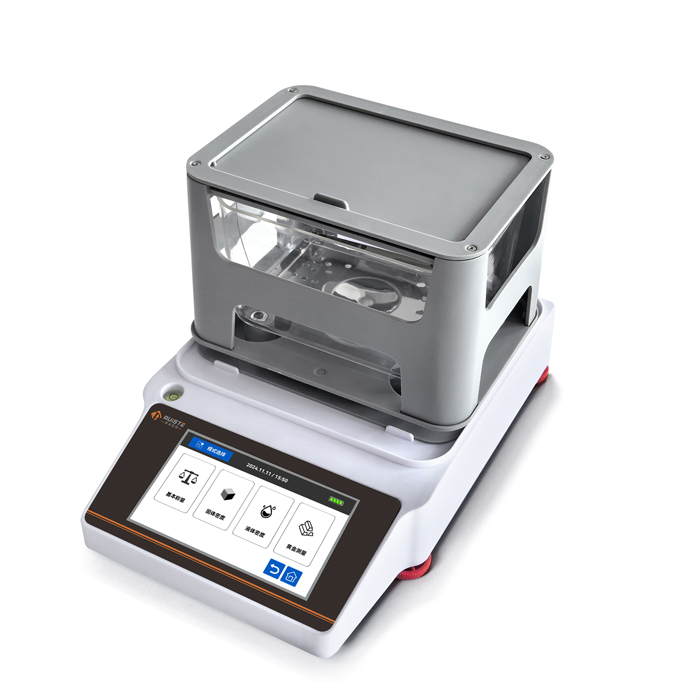
The application scenarios and core uses of body weight scales cover personal daily health management, family collective health monitoring, fitness exercise auxiliary training, and daily physical condition recording for special groups, with strong practicality and universal applicability. In personal daily use, body weight scales help users form regular weighing habits, record daily and periodic weight changes, and intuitively reflect the physical state changes caused by daily diet adjustment, work and rest rules, and exercise habits. For family use, the equipment can meet the weighing needs of all family members, helping parents monitor the growth and weight changes of children and adolescents, and assisting middle-aged and elderly family members in tracking physical condition to prevent health risks caused by excessive weight fluctuations. In fitness and body shaping scenarios, body weight scales are indispensable auxiliary tools for fitness training. Long-term continuous weight data recording can help fitness personnel adjust training intensity and diet plans, and intelligent models can also cooperate with body composition data to optimize muscle growth and fat reduction training schemes. In addition, body weight scales are also suitable for daily physical monitoring of people in special physical states, such as postoperative recovery groups and people with physical conditioning needs, providing continuous and stable data reference for physical recovery and health adjustment.
Body weight scales have prominent comprehensive advantages compared with traditional manual weighing tools and early single-functional weighing equipment, covering accuracy, convenience, durability, and functional diversity. In terms of measurement accuracy, modern electronic and intelligent body weight scales adopt high-precision strain gauge load cell sensing technology, which can capture tiny pressure changes generated by human standing, with accurate data feedback and small repeated measurement errors, effectively avoiding the pointer deviation and visual reading error problems of traditional mechanical scales. In terms of use convenience, most products support one-step automatic weighing, realizing automatic startup when standing on the scale and automatic shutdown after weighing, without manual switching and debugging, and the electronic display screen presents clear digital data, eliminating the trouble of pointer identification and conversion. In terms of structural durability, the optimized material matching and structural design enable the scale to resist daily extrusion, friction, and slight impact, with long service life and low failure rate. In terms of functional scalability, intelligent products break through the single weight measurement function, realizing multi-data detection, data recording, and trend analysis, and can adapt to the diversified health management needs of modern users.

The conventional specifications and external dimension parameters of body weight scales form a relatively unified industry optimization standard, adapting to the standing habits of most users and indoor placement space. The mainstream platform size of household body weight scales is between 26cm and 33cm in length and width, with a square design as the mainstay, which can fully adapt to the foot size of adults and adolescents, avoid unstable standing caused by too small a platform, and prevent measurement errors caused by the user's center of gravity deviation. The overall thickness of the scale body is mostly controlled between 2cm and 6cm, with an ultra-thin design that saves indoor placement space, can be placed in gaps of furniture or stored at will, and will not cause space occupation. The overall weight of the equipment ranges from 1.2kg to 3.5kg; lightweight products are convenient for moving and carrying, suitable for home mobile use and short-distance travel carrying, while heavy-duty reinforced products have more stable structures and are not easy to slide during weighing. The bottom of the scale is equipped with anti-slip foot pads of uniform specifications, which can adapt to flat ground such as wooden floors, ceramic tiles, and cement floors, ensuring the stability of the scale body during use and improving weighing safety.
In terms of core performance parameters, body weight scales have clear quantitative indicators in terms of weighing range, measurement accuracy, unit conversion, and working environment, which determine the comprehensive use effect of the equipment. The maximum weighing range of mainstream household products is mainly concentrated in 150kg to 250kg, which can cover the weight range of almost all ordinary users, while lightweight entry-level products have a maximum weighing capacity of about 120kg, meeting the basic weighing needs of teenagers and ordinary adults. The measurement accuracy is distinguished by product grades; basic electronic scales have an accuracy of 0.1kg, which can meet daily household weighing needs, while high-precision intelligent models can achieve an accuracy of 0.05kg, capturing tiny weight changes more sensitively. In terms of measurement units, all mainstream products support dual-unit switching of kilograms and pounds, adapting to different user usage habits. The working temperature range of the equipment is between -10℃ and 45℃, which can adapt to conventional indoor temperature environments, and the internal circuit and sensing structure have temperature anti-interference design, avoiding data deviation caused by temperature changes. In addition, the equipment has a stable zero automatic calibration function, which can automatically correct zero deviation caused by long-term use and external interference, ensuring the consistency of each measurement data.
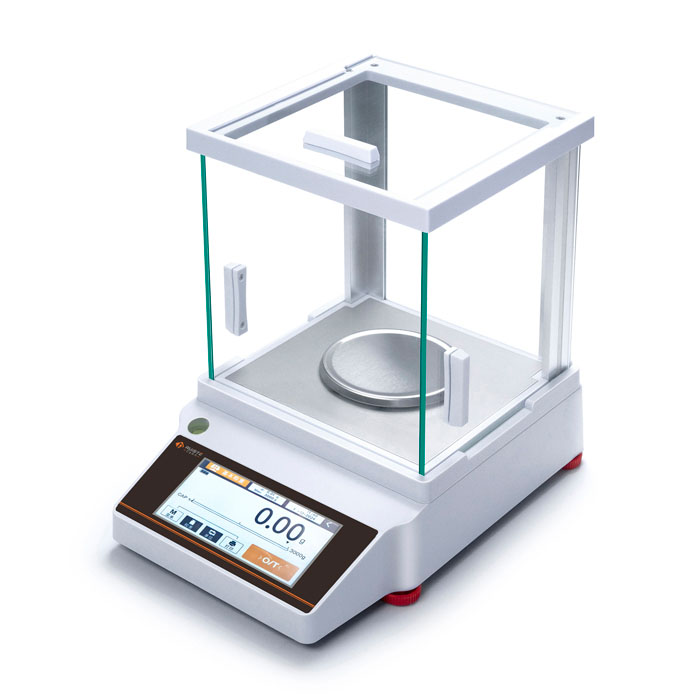
Mechanical body weight scales, as the most traditional type of weighing equipment, have unique structural characteristics and use advantages, and still occupy a certain market share in household basic weighing scenarios. The internal structure of mechanical scales is composed of precision springs, gear transmission components, and pointer dial structures, relying on physical mechanical transmission to complete weight measurement, without electronic circuits and power supply devices, so there is no failure problem caused by power shortage and circuit damage. This type of product has extremely high stability in long-term static use, with no data drift and no need for frequent calibration, and the later maintenance cost is almost zero. The dial of mechanical scales is designed with uniform scale intervals, and the overall structure is sturdy and drop-resistant, suitable for families with middle-aged and elderly users who are not adapted to electronic equipment operation. However, mechanical scales also have inherent limitations: the measurement accuracy is slightly lower than electronic products, there is a certain visual error in manual pointer reading, and the data display is not intuitive enough, and it cannot realize automatic data recording and intelligent analysis functions, so it is only suitable for simple and occasional weight measurement scenarios.
Basic digital electronic body weight scales are the mainstream products in the current consumer market, balancing cost performance, accuracy and convenience, and covering most household daily weighing needs. This type of product takes high-sensitivity strain gauge load cells as the core sensing components, which can convert the pressure signal generated by human body weight into electrical signals, and calculate accurate weight data through internal chip operation, and finally display it through LCD or LED high-definition electronic screens. Compared with mechanical scales, digital electronic scales have higher measurement accuracy and more intuitive data display, and support automatic zero reset, automatic power on and power off functions, with simpler operation. In terms of material configuration, most digital electronic scales adopt tempered glass platforms and anti-slip base designs, with beautiful appearance and strong wear resistance. The product power supply modes are diverse, including dry battery power supply and rechargeable lithium battery power supply, with low power consumption and long battery life. A single battery replacement can support hundreds of weighing uses, and the rechargeable model can realize repeated charging and recycling, with higher environmental protection and economy. Although the function is single and only weight data can be measured, its stable performance and high cost performance make it the preferred product for daily basic weight monitoring of most families.
Intelligent body composition weight scales are upgraded high-end products in the industry, integrating electronic weighing technology, bioelectrical impedance analysis technology and intelligent data processing technology, realizing multi-dimensional health data detection on the basis of traditional weight measurement. The core working principle of intelligent scales is to release safe and tiny bioelectrical signals through the electrode pieces on the weighing platform. According to the different conductivity of muscle, fat, water and other human tissues, the internal algorithm calculates and analyzes multiple physical data such as body fat rate, muscle mass, body water content, basal metabolic rate, bone mass and visceral fat level. In terms of hardware parameters, intelligent scales retain the high-precision weighing performance of electronic scales, and are equipped with upgraded high-sensitivity sensing chips and multi-point electrode induction structures, with stronger data capture ability and more accurate analysis results. In terms of functional design, this type of product supports mobile terminal data synchronization, can automatically record daily weighing data, generate periodic health trend reports, and help users intuitively understand their physical condition changes. The material of intelligent scales is mostly high-strength tempered glass with integrated electrode technology, which is not only beautiful and durable, but also ensures the stability of bioelectrical signal transmission during weighing, avoiding data distortion caused by poor contact.
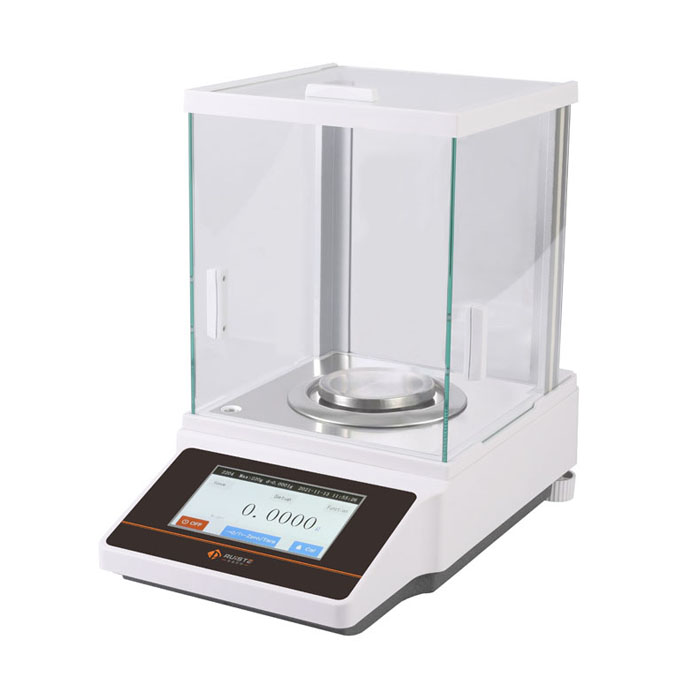
In the actual use process, the structural parameter design of body weight scales fully considers ergonomic principles and user safety needs, optimizing the details of standing experience and use safety. The surface of the weighing platform of all qualified products has undergone anti-slip treatment, with fine frosted texture or anti-slip coating, which can effectively prevent slipping when the user's feet are wet or sweaty, and improve the safety of standing weighing. The rounded corner design is adopted around the scale body to avoid scratch damage caused by accidental collision, which is more suitable for families with children. The anti-slip foot pads at the bottom of the scale are made of high-elastic rubber materials, which can increase the friction between the scale body and the ground, prevent the scale from sliding and shifting during standing weighing, and avoid measurement errors and safety hazards caused by scale displacement. In terms of display design, the electronic screen adopts high-brightness and high-definition display technology, which can clearly display data in dark and bright indoor environments, and some products have a hidden screen design, which is more beautiful and concise in daily storage, and automatically lights up when in use, balancing aesthetics and practicality. In addition, the internal circuit of the product has over-current and voltage-stabilizing protection designs, which can avoid circuit damage caused by voltage fluctuations and ensure long-term stable use of the equipment.
With the continuous progress of manufacturing technology and the continuous upgrading of consumer health needs, the development trend of body weight scales is gradually moving towards higher precision, more intelligent functions, more diversified materials and more humanized design. In terms of technical optimization, future products will further upgrade the sensing chip and algorithm system, improve the accuracy of micro-weight detection and body composition analysis, and reduce the interference of external environmental factors on measurement data. In terms of material innovation, new lightweight, high-toughness, antibacterial and easy-to-clean composite materials will be gradually applied to product platforms and shells, improving the hygiene level and service life of the equipment. In terms of functional expansion, body weight scales will realize more diversified health monitoring functions, connect with more intelligent health management systems, and form a closed-loop health management system of data detection, analysis, suggestion and tracking. As an indispensable basic health monitoring tool in modern life, body weight scales will continue to rely on technological innovation and structural optimization, continuously adapt to the refined health management needs of different users, and provide more accurate, convenient and professional data support for public daily health maintenance and scientific physical management.
Pruiste supply precision balance,analytical balance,laboratory balance,moisture analyzer,digital viscometer,weighing scale,counting scale for sale, wholesale and custom fabrication. we are a professional manufacturer and supplier of electronic balance in china.
 Chinese Mobile
 Whatsapp Service
 WeChat Service


