

 Language
In modern commercial and industrial operational systems, precise quantity statistics and accurate weight measurement have become indispensable basic links that support standardized production, efficient inventory management, and error-free product circulation. Among various precision measuring instruments, the counting weighing scale stands out as a multifunctional and high-efficiency device that perfectly integrates weight detection and quantity counting, breaking through the limitations of traditional manual counting and single-function weighing equipment. Unlike ordinary weighing tools that only output weight data, the counting weighing scale is designed to solve the pain point of rapid and accurate counting of bulk homogeneous items, filling the gap between low-efficiency manual sorting and high-cost intelligent counting equipment. Its core value lies in converting weight data into accurate quantity information through intelligent algorithm calculation, realizing the dual integration of weighing accuracy and counting efficiency, and providing reliable data support for the daily operation of various industries. With the continuous improvement of industrial refinement and commercial standardized management, the application scope of counting weighing scales has been continuously expanded, becoming a basic measuring tool widely used in production workshops, warehousing and logistics, retail distribution, and quality inspection links.
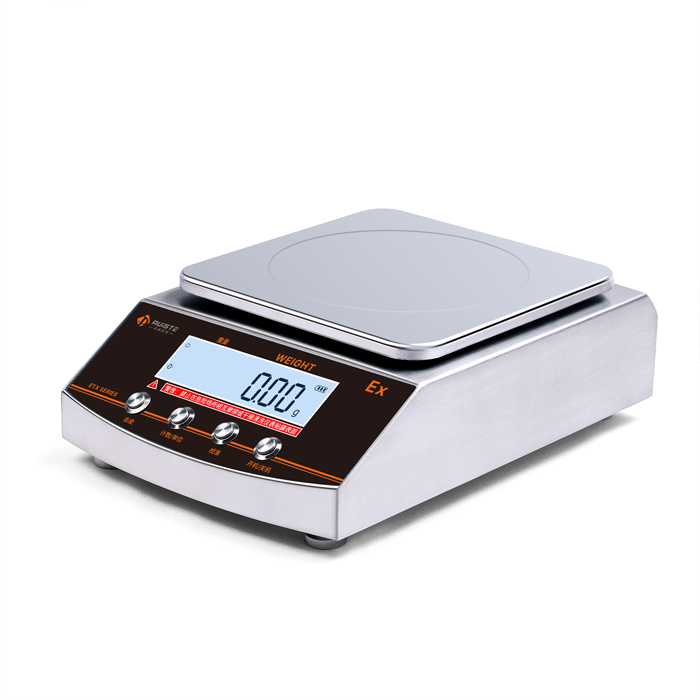
The working logic of the counting weighing scale is based on the physical law of uniform weight of homogeneous items, and its intelligent counting process relies on precise hardware sensing and built-in data operation programs. The entire working process can be divided into three core and coherent steps: sampling calibration, total weight measurement, and intelligent quantity calculation. Before formal counting work, the equipment needs to complete sampling calibration, which is the key premise to ensure counting accuracy. Users place a certain number of standard single items on the weighing platform, and the equipment will accurately measure the total weight of the sampled items and automatically calculate the average single weight through the built-in program, storing this data as the basic reference parameter for subsequent counting. After completing the calibration, users can place bulk items of the same type on the weighing platform. The high-sensitivity sensing components inside the scale will instantly capture the total weight of the items, and the intelligent chip will divide the total weight by the pre-calibrated average single weight to obtain the accurate quantity of bulk items. This working principle seems simple, but it relies on extremely high precision of hardware components and stable algorithm operation, which can effectively avoid the counting errors caused by human visual fatigue and manual misjudgment, and maintain stable accuracy in long-term continuous operation.
The internal hardware structure of a modern counting weighing scale is sophisticated and reasonable, which determines its superior measurement performance and stable operation capability. The core sensing component is a high-precision load cell, which is the key to converting gravity signals into measurable electrical signals. This component can capture tiny weight changes on the weighing platform, even for ultra-light small parts, and can output highly sensitive induction signals, laying a hardware foundation for high-precision counting. In addition to the load cell, the equipment is equipped with a professional data processing chip, which undertakes the tasks of data receiving, algorithm calculation, data storage and error correction. The chip can quickly process weight signal data, complete average weight calculation, total weight statistics and quantity conversion in milliseconds, ensuring the rapid response of the equipment. The external structure includes a high-strength weighing platform, a stable base and a high-definition display screen. The weighing platform is made of anti-corrosion and wear-resistant materials, which can adapt to various working environments and avoid weight measurement errors caused by platform deformation or corrosion. The stable base can effectively reduce the vibration interference of the external environment on the weighing process, while the display screen can clearly present three sets of core data: single item weight, total item weight and total quantity, allowing users to view operational data in real time and intuitively.
Compared with traditional manual counting and ordinary single-function weighing equipment, counting weighing scales have obvious comprehensive advantages in efficiency, accuracy and practicability. In terms of counting efficiency, manual counting of bulk items often requires a lot of time and labor costs, especially for small-sized parts such as screws, pins and electronic accessories. Long-term repetitive counting work is prone to fatigue, resulting in a sharp decline in counting speed. In contrast, the counting weighing scale only needs one-time sampling calibration, and can complete the counting of thousands of items in a few seconds, which is dozens or even hundreds of times more efficient than manual operation, and can adapt to high-intensity and high-frequency counting work scenarios. In terms of accuracy, manual counting is inevitably affected by subjective factors, and missing counting and repeated counting occur from time to time, especially for ultra-small items, the error rate is higher. The counting weighing scale relies on physical weight measurement and algorithm calculation, which can avoid human errors to the greatest extent, and the counting error can be controlled within an extremely low range, ensuring the consistency and accuracy of each counting result. In terms of practicability, it integrates weighing and counting functions into one, eliminating the need for users to switch between multiple devices, simplifying the operational process and saving equipment placement space.
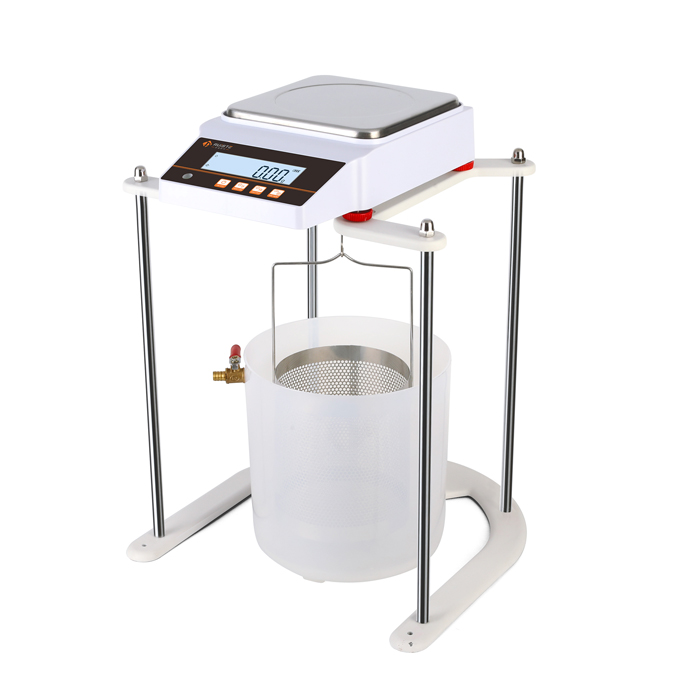
Counting weighing scales have formed a rich product system after continuous technical iteration, and different types of equipment can meet the usage needs of different scenarios, item specifications and working environments. According to the difference of volume and bearing capacity, they can be divided into desktop portable counting scales and floor-type heavy-duty counting scales. Desktop counting scales are small in size, light in weight and convenient to carry and place, with a relatively small weighing range and ultra-high measurement accuracy. They are mainly suitable for counting small and light items such as electronic components, hardware accessories, jewelry accessories and small fasteners, and are widely used in laboratory detection, small workshop production and retail precision inventory management. Floor-type counting scales have a large bearing capacity and a wide weighing platform, which can bear the weight of large batches of heavy items, and are suitable for counting large-scale parts, industrial accessories and bulk packaged goods in large factories and large warehousing centers. In addition, according to the difference of functional configuration, there are basic conventional models and intelligent extended models. Conventional models complete core weighing and counting functions, with simple operation and low use cost, suitable for basic counting scenarios; intelligent models are equipped with data storage, data export, automatic zeroing and error early warning functions, which can meet the refined management needs of large-scale industrial production and standardized inventory statistics.
Industrial production is the most core application field of counting weighing scales, covering multiple links from parts processing to finished product assembly and factory inspection. In the precision manufacturing industry such as electronics, electrical appliances and instrumentation, the production process requires a large number of tiny homogeneous parts, and the quantity matching of parts directly affects the assembly quality and product yield. In the past, manufacturers relied on manual counting to sort parts, which not only had low efficiency and could not meet the rhythm of mass production, but also had frequent counting errors, resulting in part shortage or surplus in the assembly link, affecting the production progress. After the application of counting weighing scales, the workshop can quickly complete the quantitative sorting of various small parts before assembly, ensure the accurate matching of parts quantity for each production batch, effectively reduce the defective rate of products caused by mismatched parts, and greatly improve the overall production efficiency. In mechanical processing and hardware manufacturing industries, a large number of standard fasteners, stamping parts and metal accessories are produced in batches. The use of counting weighing scales can realize rapid counting of finished products, facilitate batch statistics of output, and provide accurate data basis for production scheduling and output assessment.
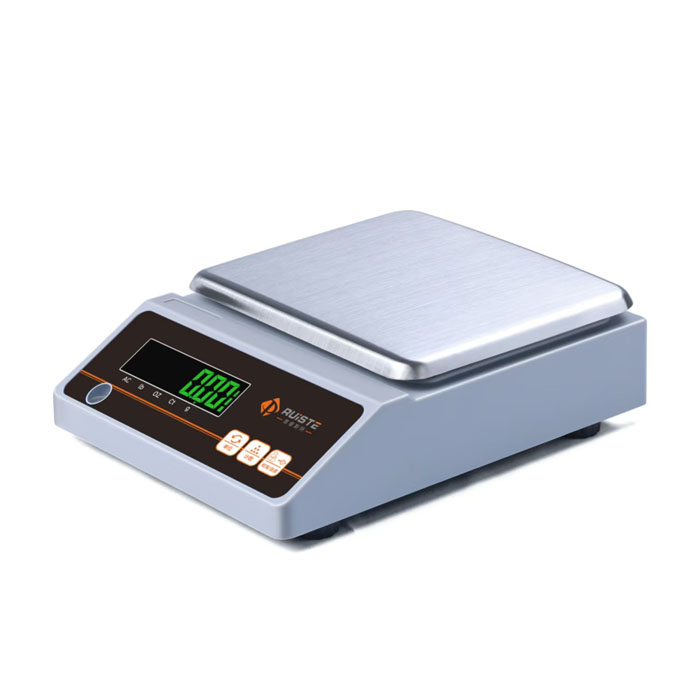
Warehousing and logistics inventory management is another important scenario where counting weighing scales play an irreplaceable role. For all kinds of production and circulation enterprises, accurate inventory statistics is the core of controlling capital occupation, optimizing inventory structure and ensuring smooth supply and sales. Traditional inventory counting mostly adopts manual sorting and counting, which is not only time-consuming and labor-intensive, but also difficult to avoid statistical errors, resulting in inconsistent actual inventory and system data, affecting enterprise inventory decision-making. Counting weighing scales realize efficient and accurate inventory counting. When goods are put into storage, staff can quickly count bulk homogeneous goods through the equipment to confirm the actual quantity of incoming goods, avoid quantity errors in the receiving link, and ensure that the incoming data is consistent with the order data. When goods are out of storage, the equipment can accurately count the delivered goods to ensure the accurate quantity of outgoing goods and avoid customer complaints and order disputes caused by insufficient delivery or wrong quantity. In daily inventory sorting, the equipment can complete rapid inventory checking of various batch goods, improve the efficiency of regular inventory counting, ensure the real-time accuracy of inventory data, and help enterprises realize refined inventory management, reduce redundant inventory and capital waste.
In the retail and wholesale industry, counting weighing scales also provide strong support for standardized commodity management and efficient sales operation. Many retail and wholesale commodities are sold in bulk and quantified by pieces, such as small hardware products, stationery accessories, toy parts and daily small commodities. These commodities are small in size and large in quantity, and manual counting is inefficient and error-prone, which affects the speed of goods sorting and delivery. The application of counting weighing scales enables retail merchants to quickly complete commodity sorting, packaging and quantity statistics. In the bulk sales link, merchants can accurately weigh and count the goods purchased by customers, ensure accurate sales quantity, avoid sales losses caused by inaccurate manual counting, and improve customer trust. In the commodity inventory and shelf management link, the equipment can quickly count the remaining commodities, help merchants timely grasp the sales volume and inventory status of various commodities, formulate reasonable replenishment plans, avoid commodity out-of-stock or overstocking, and optimize the commodity sales and inventory cycle. At the same time, the efficient counting function also greatly improves the sorting and delivery efficiency of wholesale orders, helping merchants cope with large-order batch delivery needs.
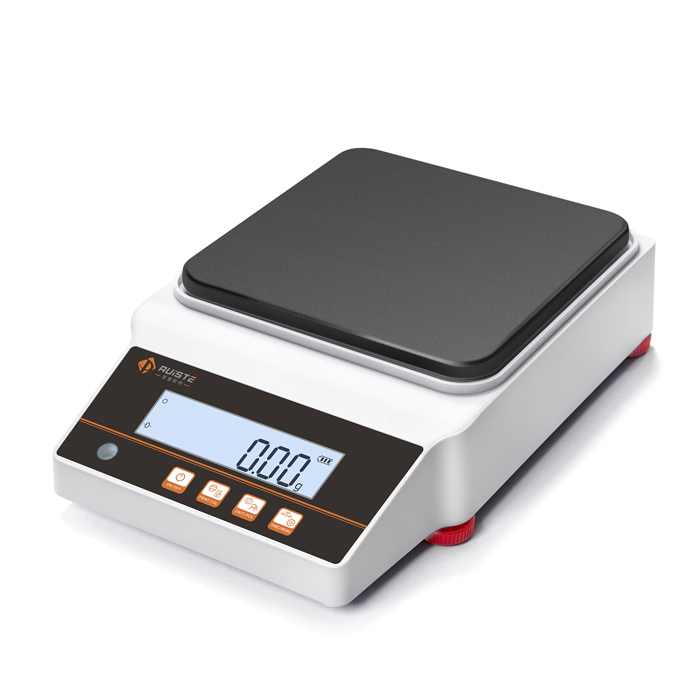
Quality inspection and precision detection scenarios put forward higher requirements for the accuracy and stability of counting weighing scales, and high-precision counting equipment has become an important auxiliary tool for quality control. In the production and processing process of precision parts, product quality not only depends on the precision of part size and weight, but also requires accurate batch quantity control. In the quality sampling inspection link, inspectors need to randomly select a certain number of products from the production batch for performance testing. The counting weighing scale can accurately complete the sampling quantity control, ensure the standardization and accuracy of sampling quantity, and make the sampling inspection results more representative. In the finished product inspection link of batch production products, the equipment can count the finished products of each production batch, match the production quantity with the qualified quantity, quickly screen out the quantity difference caused by defective products or processing losses, help enterprises timely find problems in the production process, adjust production parameters, and optimize the production process. In addition, for some products with strict single-piece weight consistency requirements, the equipment can also assist in detecting weight uniformity while counting. If the weight of individual products deviates significantly from the standard average weight, it will cause abnormal counting data, so as to realize the dual detection of quantity and quality.
The stable operation and service life of counting weighing scales are closely related to daily maintenance and standardized operation. As a kind of precision measuring equipment, it is very sensitive to external environmental interference and human operation errors, so standardized use and scientific maintenance are essential. In terms of daily operation, users need to place the equipment on a flat and stable horizontal surface before use to avoid weighing errors caused by equipment tilt. It is necessary to preheat the equipment for a certain period of time before formal work to ensure the stable operation of internal sensing components and accurate data output. During the sampling calibration process, users need to select standard intact items for sampling, avoid using defective or deformed items as sampling samples, so as to prevent the deviation of reference single weight data and affect the overall counting accuracy. In the counting process, it is forbidden to place overweight items beyond the equipment's bearing range on the weighing platform, and avoid violent collision and extrusion of the weighing platform, so as to prevent damage to the internal load cell and affect the measurement accuracy.
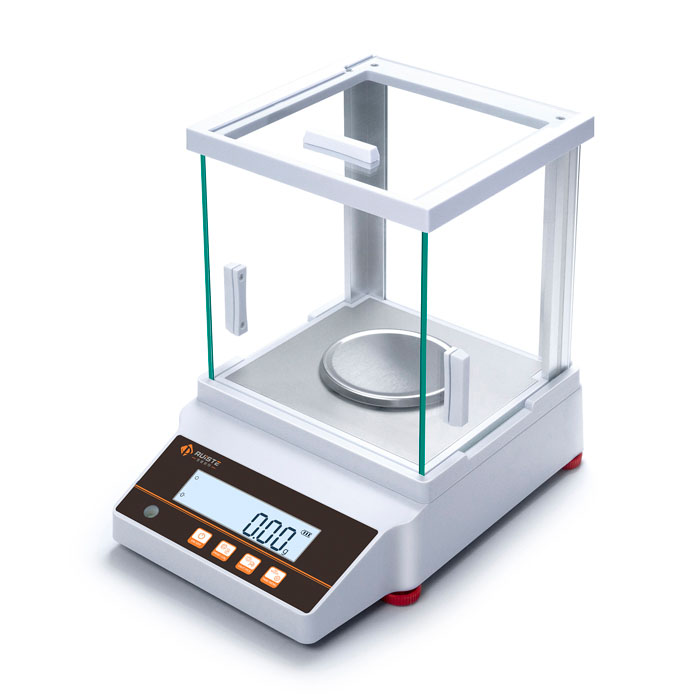
Daily maintenance and regular calibration can effectively prolong the service life of counting weighing scales and maintain long-term measurement accuracy. In terms of daily cleaning, the weighing platform and equipment surface should be cleaned regularly to remove dust, debris and residual stains. Long-term accumulation of dust and sundries on the weighing platform will affect the contact uniformity of items and cause tiny weight measurement errors. When cleaning, avoid using corrosive cleaning agents to prevent corrosion of the equipment surface and internal components. In terms of environmental maintenance, the equipment should be placed in a dry, ventilated and temperature-stable environment, avoiding long-term exposure to humid, high-temperature or low-temperature environments, so as to prevent internal circuit aging and component failure caused by environmental changes. Regular calibration is the key to ensure long-term accurate counting. After a period of use, the internal sensing components will have tiny performance changes due to operation wear. Regular manual calibration can correct the data deviation, restore the equipment's optimal measurement accuracy, and avoid counting errors caused by component aging and data drift.
With the continuous progress of intelligent manufacturing and digital management technology, counting weighing scales are also evolving towards higher precision, stronger intelligence and richer functional expansion. Traditional counting weighing scales only complete single weighing and counting tasks, while the new generation of intelligent counting weighing scales combines Internet of Things technology and data management technology, realizing automatic data recording, remote data transmission and batch data statistical analysis. The equipment can automatically store the counting data of each batch of items, form electronic data records, and support data export and remote viewing, which is convenient for enterprises to carry out digital production statistics and inventory data management, and realize the traceability of production and inventory data. At the same time, the equipment's anti-interference performance and environmental adaptability are constantly improved, which can adapt to more complex industrial production environments, maintain stable and accurate operation in high-dust and high-vibration working scenes, and further expand the application scope. In the future, with the continuous upgrading of industrial refined management requirements, counting weighing scales will become more intelligent, automated and integrated, and will play a more important role in improving industrial production efficiency, optimizing enterprise management processes and ensuring product quality stability, becoming an indispensable basic intelligent measuring device in modern industrial and commercial systems.
Pruiste supply precision balance,analytical balance,laboratory balance,moisture analyzer,digital viscometer,weighing scale,counting scale for sale, wholesale and custom fabrication. we are a professional manufacturer and supplier of electronic balance in china.
 Chinese Mobile
 Whatsapp Service
 WeChat Service


