

 Language
Since the dawn of human civilization, the need for accurate weight measurement has been an indispensable part of daily life, commercial transactions, and industrial production. For thousands of years, mechanical weighing tools dominated the field of metrology, from ancient balance scales to later mechanical pointer scales, which relied on physical leverage and spring deformation to achieve weight detection. However, these traditional mechanical devices have long been constrained by inherent structural defects, including low measurement accuracy, susceptibility to external environmental interference, cumbersome operation processes, and inconvenient data recording and transmission. With the rapid progress of electronic information technology, sensor technology, and microprocessor control technology in the modern era, digital weighing scales have gradually replaced traditional mechanical weighing equipment and become the mainstream choice for weight measurement in all walks of life. Unlike mechanical scales that rely on pure physical machinery, digital weighing scales integrate multidisciplinary technologies such as mechanical structure design, electronic sensing, signal processing, digital coding, and intelligent control, realizing a qualitative leap in weighing accuracy, response speed, functional diversity, and application scenarios. This modern weighing device has penetrated every corner of society, from household daily measurement and retail commodity transactions to industrial precision detection, pharmaceutical ingredient proportioning, and logistics weight calibration, providing reliable data support for standardized production, standardized transactions, and refined life management. The popularization and iteration of digital weighing scales not only optimize the basic mode of weight measurement but also lay a solid technical foundation for the intelligent and digital upgrading of the entire metrology industry.
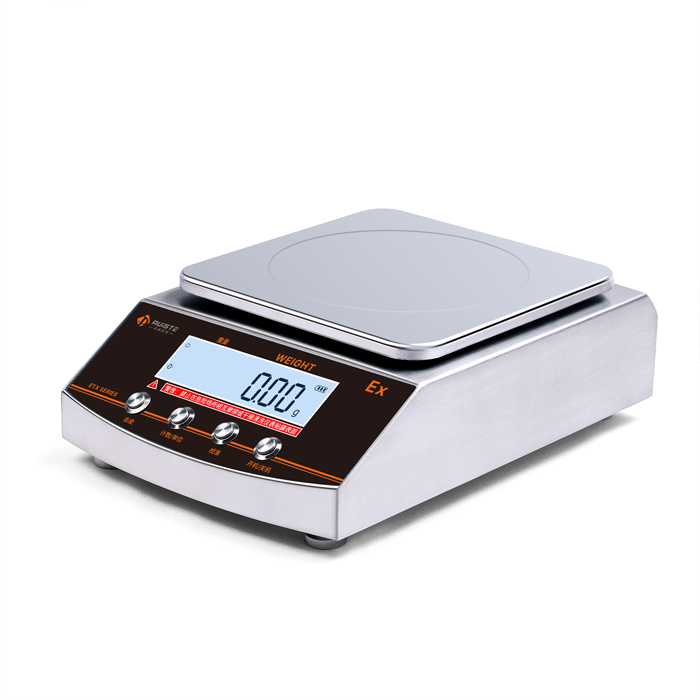
The core working logic of a digital weighing scale follows a complete and rigorous physical and electronic conversion process, which can be divided into four core links: mechanical force perception, electrical signal conversion, digital signal processing, and data result output. The most critical component supporting the entire working process is the load cell, a high-precision sensing element that serves as the "sensory organ" of the digital scale. Inside the load cell are precision strain gauges, which are fixed on the elastic deformation body of the sensor. When an object is placed on the weighing platform of the digital scale, the gravity of the object acts on the elastic body of the load cell, causing tiny elastic deformation that is invisible to the naked eye. This subtle deformation will directly change the resistance value of the strain gauges arranged in a Wheatstone bridge circuit. The slight resistance change cannot be directly identified by human eyes or conventional circuits, but the high-sensitivity bridge circuit can capture this micro-change and convert it into a weak analog voltage signal. This original electrical signal is extremely faint and mixed with various environmental interference noises, so it cannot be directly used for data calculation and display. Subsequently, the built-in circuit system of the digital scale will amplify the effective signal through a professional amplifier module, filter out clutter interference such as static electricity and environmental electromagnetic waves through a precision filter circuit, and retain pure and effective weight induction signals.
After the completion of signal amplification and filtering, the analog electrical signal will be transmitted to the analog-to-digital conversion module, which is the key link connecting analog sensing and digital calculation. The analog-to-digital converter converts the continuous analog voltage signal into discrete digital signal codes that can be identified and calculated by the microprocessor. The precision of the analog-to-digital conversion module directly determines the measurement accuracy of the digital weighing scale. High-end digital weighing equipment is equipped with high-bit conversion chips, which can capture extremely small signal changes and realize ultra-fine weight grading measurement. The converted digital signal is finally transmitted to the core microprocessor of the scale, which acts as the "brain" of the entire equipment. The microprocessor pre-stores professional weighing algorithm programs and calibration parameters, which can convert the received digital signal data into standard weight values through real-time operation, and automatically complete error correction, zero-point calibration, and temperature compensation calculations. After a series of precise data processing, the final accurate weight data will be transmitted to the display module, presenting clear and intuitive digital values on the LCD or LED screen, completing the entire weighing process from object placement to data display. The whole process is completed in an instant, with a response speed far exceeding that of traditional mechanical scales, realizing real-time and efficient weight detection.
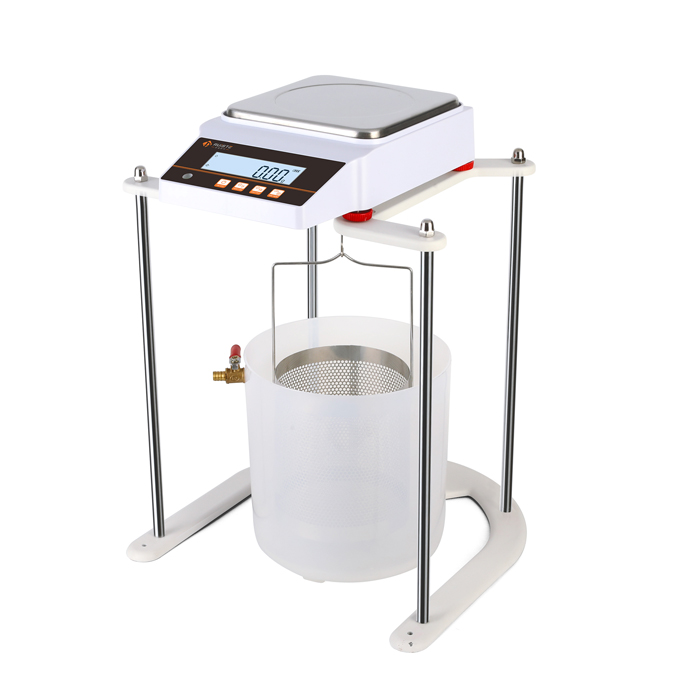
The overall structural design of digital weighing scales follows the design concept of combining mechanical stability and electronic intelligence, and the whole machine can be divided into three major functional parts: mechanical bearing structure, electronic sensing and processing system, and human-computer interaction module. The mechanical bearing structure is the basic support part of the equipment, mainly including the weighing platform, support base, and anti-slip and shock-absorbing components. The weighing platform is usually made of high-strength stainless steel or engineering plastic materials, which have the characteristics of compression resistance, corrosion resistance, and deformation resistance, ensuring that the platform will not produce permanent deformation under long-term pressure and avoiding measurement errors caused by structural changes. The bottom of the weighing scale is equipped with professional shock-absorbing pads and horizontal adjustment structures, which can offset the interference of ground vibration and uneven ground on the weighing process, effectively improving the stability of measurement results. The electronic sensing and processing system is the core functional area of the equipment, including load cells, circuit boards, conversion chips, microprocessors, and power supply modules. All electronic components are arranged in a sealed and insulated inner cavity, which can effectively isolate external dust, moisture, and electromagnetic interference and ensure the stable operation of electronic components in complex environments.
The human-computer interaction module is the medium for users to operate the equipment and obtain measurement data, mainly including digital display screens, function keys, and voice prompt components in some intelligent models. The display screen adopts high-definition digital display technology, which can clearly display weight values, unit symbols, and equipment status information, and has the characteristics of low power consumption and long service life. The function keys are designed according to user operation habits, with simple and intuitive functions such as zero clearing, peeling, unit switching, and data locking, which can meet the basic operation needs of different scenarios. Different from the single structure of traditional mechanical scales, the modular design of digital weighing scales enables each functional component to operate independently and coordinate with each other. When a single component fails, targeted replacement and maintenance can be realized without affecting the overall structure of the equipment, which greatly reduces the later maintenance cost and improves the service life of the equipment. This scientific and reasonable structural design makes digital weighing scales have excellent stability, durability, and environmental adaptability, and can maintain long-term accurate measurement in different working environments such as household indoor, commercial stores, and industrial workshops.
Digital weighing scales have extremely wide application coverage, covering civilian life, commercial retail, industrial production, medical and health, logistics and warehousing, and many other fields, and show differentiated functional advantages in different scenarios. In household life, small portable digital weighing scales and household body weight scales have become essential daily appliances. Household body weight scales can accurately detect body weight changes, and upgraded body composition digital scales can also measure multiple health indicators such as body fat rate, muscle mass, and water content through bioelectrical impedance analysis technology, providing intuitive data reference for users' daily fitness, weight management, and health monitoring. Small kitchen digital scales are widely used in family cooking and baking, realizing accurate proportioning of food materials, solving the problem of inaccurate material measurement in traditional cooking, and helping users complete standardized production of delicate food. In daily life scenarios such as parcel weighing and luggage weight detection, portable handheld digital scales are lightweight and easy to carry, meeting users' mobile weighing needs.
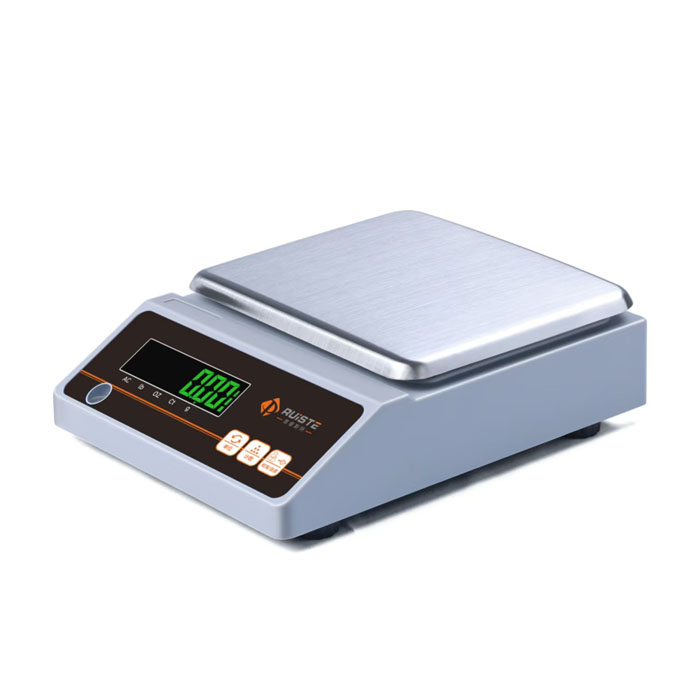
In commercial retail scenarios, digital weighing scales are the core equipment of daily commodity transactions. In fresh supermarkets, fruit and vegetable stores, and specialty food stores, desktop digital weighing scales with pricing functions can realize automatic weighing, unit price input, and total price calculation, avoiding manual calculation errors in traditional mechanical weighing and improving the efficiency and accuracy of commodity transactions. The clear digital display can make commodity weight and price information transparent, effectively protecting the legitimate rights and interests of both merchants and consumers. In catering processing and snack production industries, digital scales are used for accurate proportioning of ingredients and seasonings, ensuring the standardized taste and quality of products and realizing standardized chain operation of catering brands. In industrial production scenarios, high-precision industrial digital weighing scales undertake more professional and sophisticated measurement tasks. In pharmaceutical production, chemical processing, and precision manufacturing industries, ultra-high-precision digital scales can complete micro-weighing of raw materials, ensuring the accurate proportioning of raw materials, which is the key guarantee for product quality stability and production safety.
In the logistics and warehousing industry, digital weighing scales are important equipment for cargo weight detection and inventory management. Large-scale platform digital weighing scales and floor-standing weighing scales can complete the weighing of goods of different weights from small parcels to large-tonnage cargoes, providing accurate weight data for logistics pricing, cargo loading and transportation, and inventory statistics. The real-time data output function of digital scales can be connected with warehouse management systems and logistics management platforms, realizing automatic recording and statistical analysis of cargo weight data, improving the intelligence level of warehouse inventory management and logistics distribution efficiency. In the medical and health field, professional medical digital weighing scales are used for physical examination weight detection, patient weight monitoring, and rehabilitation training data recording. High-precision medical scales can capture subtle weight changes of patients, providing important diagnostic data support for doctors' disease judgment and treatment plan formulation. The multi-scenario adaptability of digital weighing scales makes it an indispensable basic measuring equipment in modern social production and life, and its application value is constantly expanding with the upgrading of social industry demand.
Compared with traditional mechanical weighing scales, digital weighing scales have obvious comprehensive advantages in accuracy, efficiency, functionality, and usability, which are the core reasons for its comprehensive popularization. First of all, digital weighing scales have ultra-high measurement accuracy. Traditional mechanical scales are affected by mechanical friction, spring fatigue, and pointer deviation, and are prone to large measurement errors, and the error will gradually increase with the extension of service time. Digital weighing scales rely on electronic sensing and digital algorithm calculation, with extremely high measurement sensitivity, which can capture tiny weight changes, and the error range is extremely small, which can meet the high-precision measurement needs of different industries. Moreover, digital scales have stable accuracy and will not produce accuracy attenuation due to long-term use, which ensures the long-term reliability of measurement data. Secondly, digital weighing scales have extremely fast response speed. The whole process of mechanical induction, signal conversion, and data calculation of digital scales is completed in milliseconds, realizing instant weighing and instant display, which is far more efficient than the slow pointer swing and stabilization process of mechanical scales, and is very suitable for high-frequency and high-efficiency weighing scenarios in commercial and industrial fields.
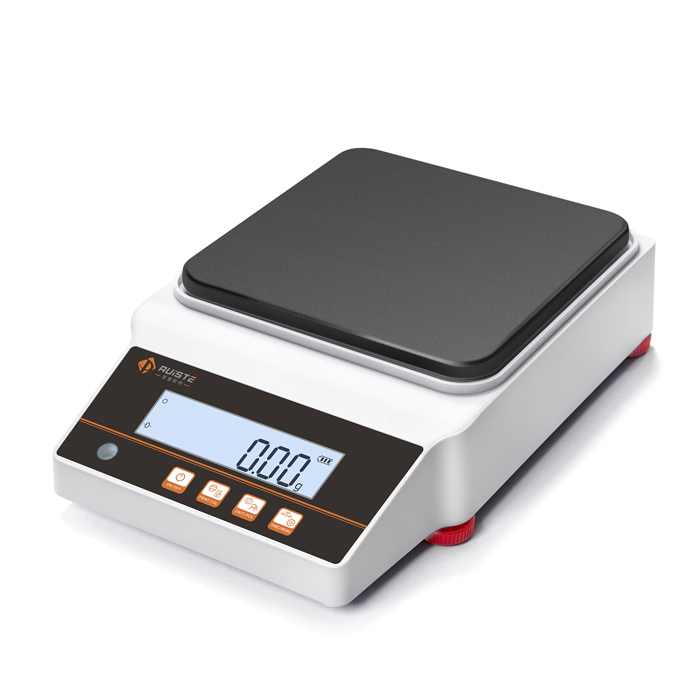
In terms of functional expansion, digital weighing scales have broken through the single weighing limitation of traditional mechanical equipment and realized diversified functional integration. Most digital scales are equipped with peeling, zero automatic calibration, unit switching, data locking, and automatic shutdown functions. The peeling function can eliminate the weight of containers and packaging materials, realizing accurate measurement of net weight of articles; the automatic zero calibration function can automatically correct zero drift caused by environmental changes and long-term use, ensuring the consistency of measurement results; the unit switching function can freely switch multiple weight units to meet the measurement habits and usage needs of different scenarios. In terms of operation and reading experience, digital scales adopt full digital display, with clear and intuitive data, no pointer reading deviation and visual error, and users can quickly obtain accurate weight data. In addition, digital weighing scales have low energy consumption and long service life. Most household and commercial digital scales adopt low-power electronic design, which can work for a long time through dry batteries or rechargeable batteries, and the all-electronic structure has no mechanical wear and fatigue loss, with lower failure rate and longer service life than mechanical scales. The advantages of high precision, high efficiency, rich functions, and low maintenance cost make digital weighing scales completely replace traditional mechanical weighing equipment and become the mainstream choice of the market.
Although digital weighing scales have excellent performance, their long-term stable operation and accurate measurement are inseparable from scientific daily maintenance and standardized use methods. In the daily use process, the placement environment of the equipment has a crucial impact on the measurement accuracy and service life. Digital weighing scales should be placed on a flat, solid, and stable horizontal surface to avoid tilting and shaking caused by uneven ground, which will lead to inaccurate stress on the load cell and measurement errors. It is necessary to avoid placing the equipment in humid, high-temperature, dusty, and strong electromagnetic interference environments for a long time. Excessive moisture will cause oxidation and short circuit of internal electronic components, high temperature will affect the stability of circuit operation, dust accumulation will block the heat dissipation structure and interfere with signal transmission, and strong electromagnetic waves will distort electrical signals and affect measurement accuracy. In the process of use, users should avoid violent impact, heavy pressure, and random movement of the equipment. Although the mechanical structure of digital scales has good compression resistance, excessive instantaneous impact force will cause irreversible deformation of the load cell and damage the internal precision electronic components, resulting in permanent accuracy loss.
Regular cleaning and calibration are key links to maintain the performance of digital weighing scales. For daily cleaning, users can wipe the weighing platform and shell with a soft dry cloth or slightly damp cloth to remove surface dust and stains, and avoid flushing the equipment with a large amount of water to prevent water from penetrating into the internal circuit cavity. For industrial and commercial digital scales used in high-frequency scenarios, regular professional calibration is required to eliminate tiny system errors generated by long-term operation and ensure the consistency and accuracy of measurement data. In terms of power maintenance, battery-powered digital scales should replace batteries in time when the power is insufficient to avoid data distortion and equipment failure caused by unstable voltage. When the equipment is not used for a long time, the batteries should be taken out to prevent battery leakage from corroding the internal circuit board. In addition, users should operate the equipment in accordance with standardized procedures, avoid overloading the scale for weighing, and not place objects beyond the maximum measuring range on the weighing platform. Long-term overload use will cause fatigue deformation of the load cell, damage the sensing performance, and seriously affect the service life of the equipment. Scientific maintenance habits can effectively maintain the excellent performance of digital weighing scales, reduce failure rates, and extend the service cycle of the equipment.
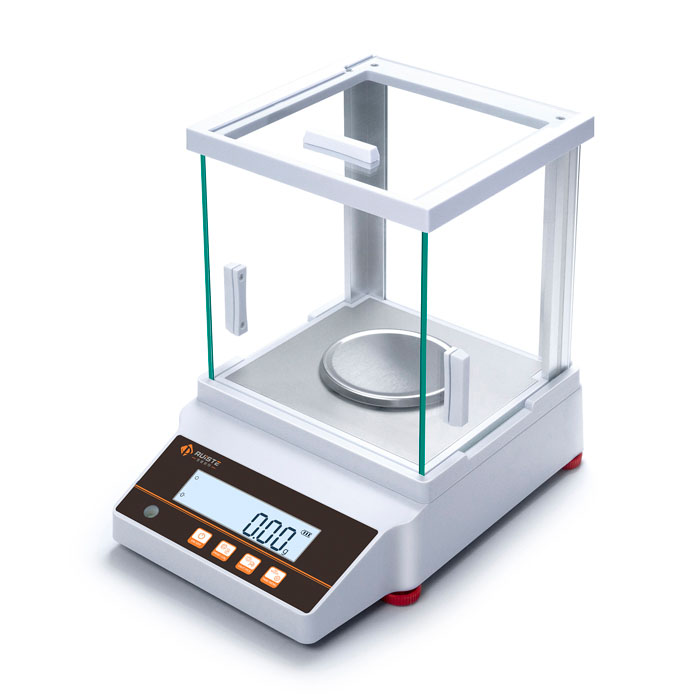
With the continuous innovation of Internet of Things technology, artificial intelligence technology, and big data analysis technology, digital weighing scales are constantly upgrading towards intelligence, networking, and dataization, breaking the limitations of traditional single weighing function. Traditional digital weighing scales can only realize single-point weighing and local data display, while the new generation of intelligent digital weighing scales is equipped with wireless communication modules, which can realize real-time data transmission with smart terminals, mobile phones, and cloud platforms through Bluetooth and Wi-Fi technologies. In the field of household health management, intelligent body composition scales can synchronize daily weight, body fat, and muscle mass data to mobile terminal applications, form continuous health data curves through big data statistical analysis, help users intuitively observe physical condition changes, and provide targeted health management suggestions and fitness plans. In commercial and industrial scenarios, networked digital weighing scales can upload all weighing data to the cloud management platform in real time, realizing centralized collection, sorting, and statistical analysis of weighing data.
This data-based management mode completely changes the manual recording and statistical mode of traditional weighing work, effectively avoids manual recording errors, greatly improves the efficiency of data management, and provides accurate data support for enterprise production scheduling, inventory counting, and sales data analysis. Some high-end intelligent digital weighing scales also integrate artificial intelligence algorithm technology, which can automatically identify weighing objects, intelligently correct environmental interference factors, and adaptively adjust measurement parameters according to different use environments, further improving the accuracy and stability of measurement results. In addition, the intelligent voice broadcasting function and automatic data storage function of new digital scales further optimize the user operation experience. The voice broadcasting function can automatically report weighing results, which is convenient for users to obtain data in real time in hands-free scenarios; the automatic storage function can record historical weighing data, which is convenient for users to query and analyze data trends. The intelligent upgrading of digital weighing scales makes it change from a single measuring tool to a comprehensive data acquisition and management terminal, greatly expanding its application value and industry adaptability.
The popularization and technological iteration of digital weighing scales have far-reaching significance for the standardized development of various industries and the progress of social metrology level. As a basic measuring equipment, weighing accuracy is related to the fairness of commodity transactions, the stability of industrial product quality, and the scientificity of experimental detection. The high-precision and high-stability measurement performance of digital weighing scales effectively avoids measurement errors and transaction disputes caused by inaccurate mechanical weighing equipment, maintains the fair and orderly development of the market trading environment. In the industrial production field, the accurate weighing data provided by digital scales is the basic guarantee for standardized production, helps enterprises realize refined production management, improve product qualification rate, and reduce production waste caused by inaccurate raw material proportioning. In the scientific research and experimental field, digital weighing scales provide accurate and reliable basic data for chemical experiments, material research, and pharmaceutical research, ensuring the scientificity and repeatability of experimental results.
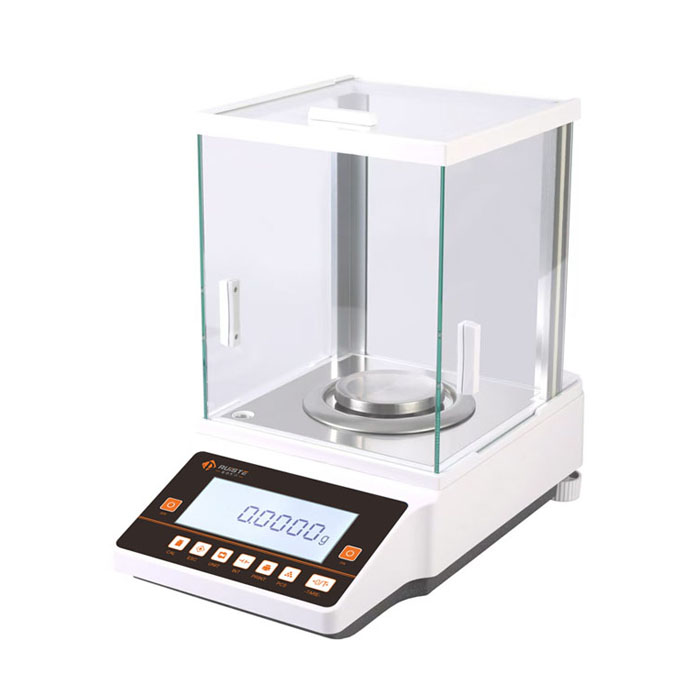
From the perspective of social development, the intelligent and digital upgrading of digital weighing scales is an important part of the digital transformation of the whole society. The data collection, transmission, and analysis functions of intelligent digital scales build a basic data link for the informatization construction of retail, logistics, medical care, and manufacturing industries, helping various industries realize intelligent management and efficient operation. With the continuous improvement of people's living standards and the continuous upgrading of industrial production standards, the market demand for digital weighing scales is also constantly upgrading, putting forward higher requirements for the accuracy, intelligence, portability, and environmental adaptability of weighing equipment. This market demand also promotes the continuous technological innovation and product iteration of the digital weighing scale industry, driving the continuous progress of the entire metrology and measurement technology level. As a basic and widely used electronic measuring equipment, digital weighing scales are playing an increasingly important role in promoting social economic development, industrial standardized upgrading, and refined life management.
Looking forward to the future, the development of digital weighing scales will be more integrated, miniaturized, intelligent, and multi-functional, and the technical level and application scope will be further expanded. In terms of product structure, miniaturization and portable design will become an important development trend. With the continuous optimization of electronic component integration technology, the volume and weight of digital weighing scales will be further reduced, while maintaining high measurement accuracy, which is convenient for users to carry and use in mobile scenarios such as outdoor measurement and travel weighing. At the same time, the integration of equipment functions will be further improved, and a single digital scale will integrate more measurement and detection functions, realizing the integration of weight measurement, component detection, data analysis, and intelligent early warning. In terms of technical iteration, sensor technology and algorithm optimization will continue to improve the measurement performance of digital scales. New high-sensitivity sensors can adapt to more complex extreme environments, realizing accurate measurement in high temperature, low temperature, high humidity, and strong vibration scenarios, and expanding the application boundary of weighing equipment.
The deep integration of artificial intelligence and big data technology will make digital weighing scales have stronger data analysis and intelligent decision-making capabilities. Future intelligent digital scales will not only complete simple weighing and data recording, but also realize intelligent early warning of abnormal data, automatic optimization of measurement modes, and personalized data service push according to user usage habits and scenario characteristics. In terms of industry application, with the popularization of industrial Internet and smart retail, smart medical and smart home construction, digital weighing scales will realize deeper integration with various industry systems, becoming an important data terminal for smart scenarios. In the smart home system, digital weighing equipment will realize data interconnection with smart wearable devices and home health management systems, building a full-cycle family health monitoring system; in the smart logistics system, networked digital weighing scales will realize automatic weighing, data matching, and intelligent scheduling of goods, improving the overall operational efficiency of the logistics supply chain. With the continuous progress of science and technology and the continuous upgrading of market demand, digital weighing scales will continue to break through technical bottlenecks, expand application scenarios, and provide more accurate, efficient and intelligent measurement services for all walks of life, injecting continuous power into the high-quality development of social economy and people's better life.
Pruiste supply precision balance,analytical balance,laboratory balance,moisture analyzer,digital viscometer,weighing scale,counting scale for sale, wholesale and custom fabrication. we are a professional manufacturer and supplier of electronic balance in china.
 Chinese Mobile
 Whatsapp Service
 WeChat Service


