

 Language
The electronic laboratory balance stands as one of the most fundamental and indispensable precision instruments in modern scientific research, experimental analysis, and industrial quality control. Unlike traditional mechanical balances that rely on counterweights and lever principles to achieve mass measurement, electronic laboratory balances integrate advanced electronic sensing technology, microprocessor control systems, and precision mechanical structures to deliver rapid, accurate, and consistent mass detection results. This sophisticated testing equipment is specifically designed to meet the rigorous weighing requirements of laboratory environments, where even minute deviations in mass data can alter experimental conclusions, affect product formulation accuracy, or compromise the credibility of scientific research findings. Its core value lies in transforming physical mass force signals into recognizable digital data through intelligent electronic conversion, eliminating the manual operation errors and reading inaccuracies inherent in conventional mechanical weighing devices, and laying a solid foundation for standardized and precise laboratory operations across diverse professional fields.
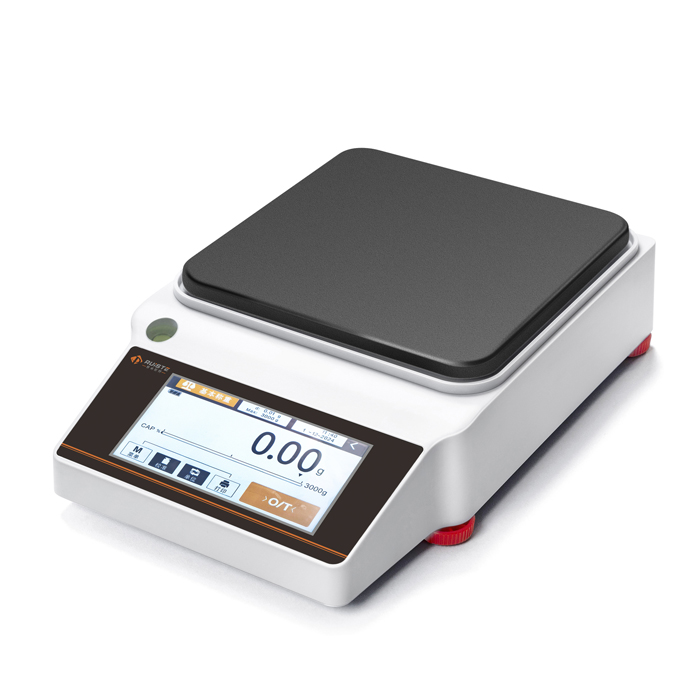
The core working mechanism of modern electronic laboratory balances primarily relies on the electromagnetic force compensation principle, a mature and highly precise technical logic that distinguishes high-end laboratory weighing equipment from ordinary commercial weighing scales. When a sample object is placed on the balance’s weighing pan, the gravitational force of the sample triggers a tiny mechanical displacement of the pan structure. High-sensitivity displacement sensors inside the instrument immediately capture this subtle positional change and transmit real-time electrical signal feedback to the built-in microprocessor. The intelligent control system rapidly calculates the exact magnitude of current required to generate a reverse electromagnetic force, which acts on the internal coil structure to counteract the downward gravitational force of the sample and restore the weighing pan to its original horizontal equilibrium position. Throughout this dynamic adjustment process, the intensity of the output current maintains a strict linear proportional relationship with the mass of the loaded sample. The microprocessor converts the collected current data into standardized digital mass values through internal algorithm processing, which are then displayed visually on the instrument’s screen, completing the entire high-precision weighing cycle.
In addition to the mainstream electromagnetic force compensation structure, a small number of medium and low-precision electronic laboratory balances adopt strain gauge load cell sensing technology, which expands the application coverage of electronic weighing equipment in laboratory scenarios with differentiated precision requirements. This structural design integrates high-precision strain gauges on the metal elastic structure of the load-bearing component. When the sample mass is applied to the weighing pan, the metal structure produces micro elastic deformation, driving the strain gauges to undergo corresponding shape changes. Such deformation directly alters the internal electrical resistance of the strain gauges, and the resistance variation presents a stable functional correspondence with the applied load force. The internal circuit system captures this resistance change signal, converts it into a measurable electrical signal, and after amplification, filtering, and algorithm correction by the microprocessor, outputs accurate mass reading results. Although the overall precision and stability of strain gauge-based electronic balances are slightly lower than those of electromagnetic force compensation models, they offer outstanding cost performance and structural durability, making them suitable for routine laboratory weighing tasks that do not require ultra-high precision detection.
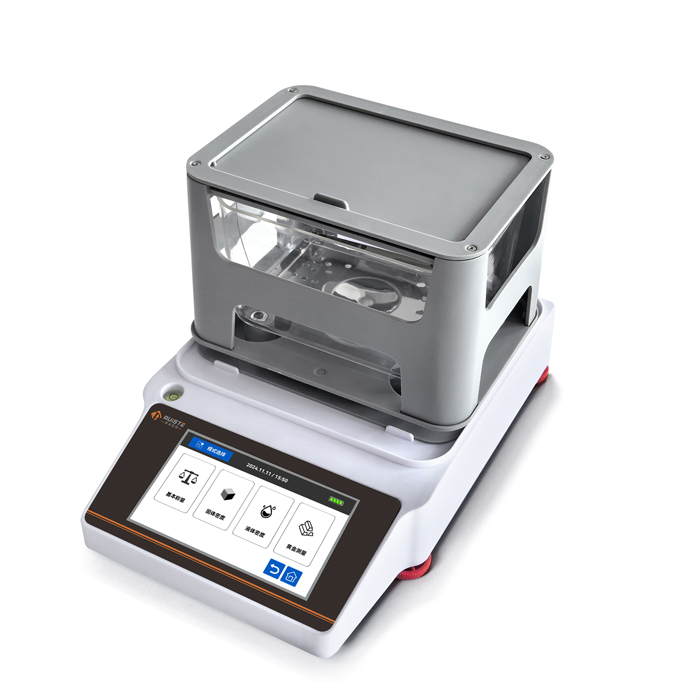
The complete structural composition of an electronic laboratory balance can be divided into multiple core functional modules, each of which plays an irreplaceable role in ensuring weighing accuracy, operational stability, and service life. The external bearing structure is centered on the weighing pan, which is usually made of high-strength corrosion-resistant metal materials with a smooth and flat surface to ensure uniform force bearing of samples and avoid measurement deviations caused by uneven placement. Surrounding the weighing pan is a windproof cover structure, a key component for high-precision weighing, which isolates external air flow interference, prevents tiny air fluctuations from affecting the micro-displacement of the weighing pan, and effectively reduces ambient environmental interference. The internal core sensing and control system includes precision sensors, electromagnetic coils, microprocessor chips, signal amplification circuits, and data processing modules, which undertake signal collection, calculation, adjustment, and output work. The external operation and display module consists of a touch or key control panel and a high-definition digital display screen, supporting manual parameter setting, data viewing, and function switching. Meanwhile, the built-in leveling structure and horizontal bubble indicator ensure the balance is placed in a horizontal state during operation, eliminating measurement errors caused by inclined placement.
Standardized operating specifications are critical to maintaining the long-term accuracy and stable performance of electronic laboratory balances, and every step of the weighing process requires strict compliance with scientific operational logic. Before starting the measurement work, the instrument needs to complete a sufficient preheating process, as the internal electronic components and electromagnetic coil structure require a stable working temperature environment to ensure the linear stability of current signal output. After preheating, the horizontal state of the balance must be checked first; if the horizontal bubble deviates from the center position, the adjustable foot pads need to be fine-tuned to correct the placement angle. Subsequent zero calibration is an essential pre-measurement step, which eliminates the influence of the weighing pan’s own weight, residual samples, or environmental static pressure to ensure the initial reading returns to zero. During sample placement, objects should be gently placed in the center of the weighing pan to avoid eccentric load caused by offset placement, and violent collision or sudden heavy pressure is prohibited to prevent damage to internal precision sensing components. After the reading stabilizes, the data can be recorded, and the instrument should be cleaned and reset in a timely manner after the completion of all weighing work.

Regular calibration and scientific daily maintenance are essential guarantees for the continuous and efficient operation of electronic laboratory balances, effectively delaying equipment aging and avoiding systematic measurement errors. Calibration work is divided into daily quick calibration and periodic professional calibration, with the core purpose of correcting subtle parameter drifts of internal components caused by long-term operation, temperature changes, and mechanical vibration. Daily calibration is usually carried out before formal experimental weighing, using standard calibration weights to verify the accuracy of instrument readings and complete zero-point and linearity correction. Periodic in-depth calibration involves comprehensive detection of the instrument’s linear error, repeatability error, and temperature drift performance, with targeted parameter adjustment for abnormal indicators. In terms of daily maintenance, the weighing pan and windproof cover need to be kept clean at all times, with residual powder, liquid, and debris of experimental samples cleaned up in a timely manner to prevent corrosion of metal structures or blockage of sensing gaps. The instrument should be placed in a dry, dust-free, and vibration-free working environment for a long time, avoiding direct sunlight, high temperature, humidity, and corrosive gas erosion, and the power supply environment should be kept stable to prevent signal fluctuation caused by voltage instability.
Electronic laboratory balances have extremely wide application scenarios, covering almost all fields that require precise mass measurement in scientific research and industrial production. In pharmaceutical research and preparation laboratories, they are used for the precise weighing of active pharmaceutical ingredients, auxiliary materials, and experimental reagents, ensuring the accurate proportioning of drug formulas and providing reliable data support for drug efficacy research and quality stability verification. In clinical and biological laboratories, the instrument undertakes the weighing of biological samples, culture medium raw materials, and detection reagents, meeting the high-precision measurement requirements of biochemical detection, microbial culture, and genetic experiments. In food and beverage research and quality inspection fields, it is applied to the precise proportioning of food raw materials, detection of trace components in finished products, and verification of product formula consistency, helping enterprises optimize product formulas and control product quality. In environmental monitoring laboratories, electronic balances are used for weighing filter membranes, sediment samples, and pollutant residues, providing accurate basic data for environmental component analysis and pollution degree detection.
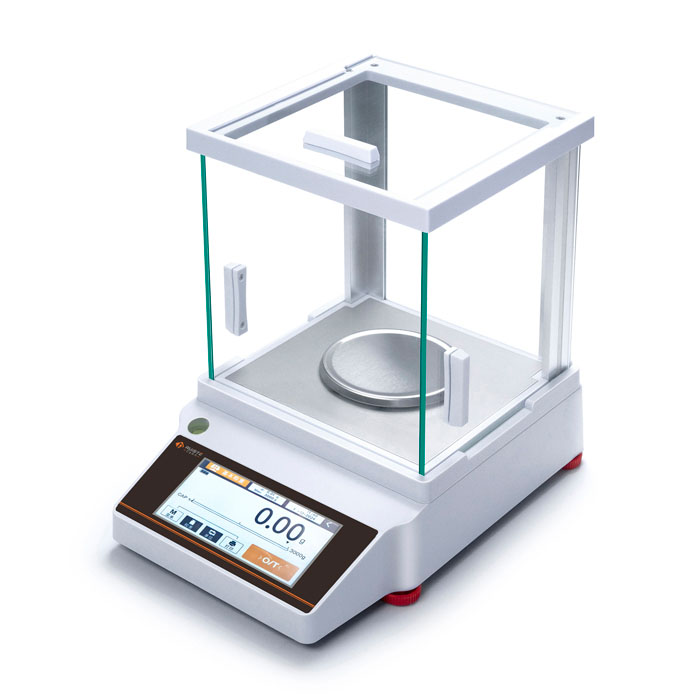
Compared with traditional mechanical laboratory balances, electronic laboratory balances possess multiple inherent technical advantages that make them the mainstream equipment of modern laboratory weighing systems. First of all, they achieve extremely high measurement accuracy and resolution, capable of capturing tiny mass changes that cannot be identified by mechanical balances, meeting the ultra-fine measurement needs of trace analysis and precision experiments. Secondly, the weighing response speed is fast, with the internal control system completing signal collection, calculation, and stabilization in a short time, greatly improving laboratory experimental efficiency compared with the slow balancing process of mechanical equipment. In addition, electronic balances have excellent data stability and repeatability, with consistent measurement results for multiple weighings of the same sample, effectively avoiding random errors caused by manual operation. Moreover, modern electronic laboratory balances support diversified extended functions, including automatic zero tracking, tare weighing, data storage, and data transmission, which can be connected to external data processing equipment to realize automatic recording and statistical analysis of experimental data, reducing manual recording errors and improving the standardization of experimental data management.
In actual laboratory operation, electronic laboratory balances may produce tiny measurement errors due to the coupling influence of environmental factors, operational behaviors, and equipment status, and understanding the causes of errors is crucial for improving experimental accuracy. Environmental interference is the most common source of error: unstable ambient temperature will cause thermal expansion and contraction of internal precision components, leading to parameter drift of electromagnetic coils and sensors; air convection and wind flow will generate tiny pressure on the weighing pan, interfering with the stability of balance equilibrium; excessive air humidity may cause slight oxidation or static adsorption of internal electronic components, affecting signal transmission accuracy. Operational errors include eccentric placement of samples, untimely zero calibration before measurement, and vibration or touch on the instrument table during the weighing stabilization process. Equipment self-error mainly comes from component aging after long-term operation, insufficient calibration accuracy, and residual dirt on the weighing pan, which will lead to systematic deviation of measurement results. By controlling environmental conditions, standardizing operational behaviors, and strengthening regular calibration, most errors can be effectively controlled within a reasonable range.
The selection of electronic laboratory balances needs to be comprehensively judged according to actual experimental scenario requirements, and multiple core performance indicators should be focused on to match the appropriate equipment. The first core indicator is measurement accuracy and resolution, which needs to be determined according to the minimum mass of the sample to be measured and the experimental precision requirements; trace analysis experiments require high-resolution ultra-precision balances, while conventional bulk sample weighing can adopt medium-precision models. The second indicator is the maximum weighing range, which needs to meet the mass measurement requirements of all experimental samples in daily work, avoiding frequent overload use or insufficient range affecting experimental efficiency. In addition, attention should be paid to the instrument’s environmental adaptability, including temperature and humidity adaptation range, vibration resistance, and dust resistance, to ensure stable operation in specific laboratory environments. For experimental scenarios that require long-term continuous measurement and mass data statistics, priority should be given to equipment with stable data output, complete data storage and transmission functions, and excellent repeatability, to ensure the continuity and consistency of long-term experimental data.
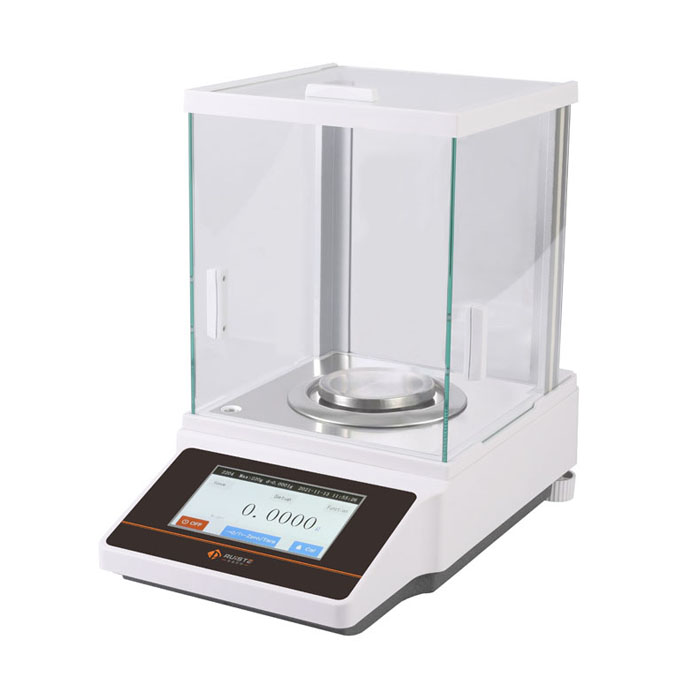
With the continuous progress of electronic information technology and precision manufacturing technology, electronic laboratory balances are constantly iterating and upgrading in structural design, functional performance, and intelligent level. Early electronic balances only realized basic digital display weighing functions, with single functions, poor environmental adaptability, and obvious temperature drift errors. Modern upgraded products adopt optimized electromagnetic compensation structures and high-precision digital signal processing algorithms, greatly improving the anti-interference ability and temperature stability of the instrument. The intelligent level of equipment is also continuously improved, with built-in intelligent diagnosis systems that can automatically detect equipment operating status, prompt abnormal calibration and component faults, and realize automatic early warning of potential failures. At the same time, the humanized design is increasingly perfect, with optimized operation interfaces, simplified calibration processes, and supporting diversified data management functions, which not only reduces the difficulty of equipment operation but also further improves the standardization and intelligence level of laboratory weighing work.
As a basic precision measuring instrument, the electronic laboratory balance undertakes the important task of providing accurate basic data for scientific research, experimental analysis, and industrial testing, and its performance stability and measurement accuracy directly affect the reliability of the entire laboratory work system. All experimental research involving mass proportioning, component detection, and sample analysis cannot be separated from the support of electronic laboratory balances, and every tiny data change recorded by the instrument may affect the direction of experimental research and the conclusion of quality detection. In the future, with the continuous development of precision manufacturing, artificial intelligence, and internet of things technology, electronic laboratory balances will develop towards higher precision, stronger anti-interference, more intelligent data management, and better environmental adaptability, continuously empowering the standardized, accurate, and intelligent development of various laboratory research and testing fields, and providing more solid technical support for scientific innovation and industrial quality upgrading.
Pruiste supply precision balance,analytical balance,laboratory balance,moisture analyzer,digital viscometer,weighing scale,counting scale for sale, wholesale and custom fabrication. we are a professional manufacturer and supplier of electronic balance in china.
 Chinese Mobile
 Whatsapp Service
 WeChat Service


