

 Language
Electronic weighing scales have evolved into one of the most indispensable measurement devices in modern daily life, industrial production, and scientific research, replacing traditional mechanical weighing equipment with superior precision, stability, and operational convenience. Unlike mechanical scales that rely entirely on physical balance and spring tension to complete weight measurement, electronic weighing scales realize the conversion of mechanical force to digital signals through integrated electronic components, fundamentally optimizing the accuracy and efficiency of weighing work. For decades, these devices have gradually penetrated every corner of social production and residents’ daily lives, from small household body weight measurement and kitchen ingredient weighing to large-batch cargo weighing in industrial workshops and precise sample measurement in laboratory environments. The core value of electronic weighing scales lies in their ability to eliminate the manual reading errors and mechanical wear deviations that plague traditional weighing tools, providing consistent and reliable weight data for various application scenarios. With the continuous progress of electronic technology and sensor manufacturing processes, the comprehensive performance of electronic weighing scales has been continuously upgraded, and their functional boundaries have been constantly expanded, making them an essential basic tool for modern precision measurement systems.
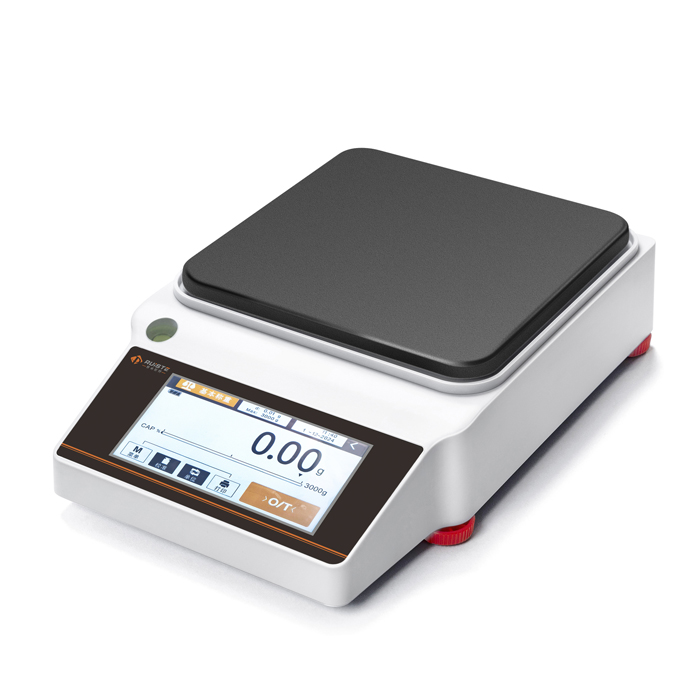
The core working mechanism of electronic weighing scales is based on the physical principle of force-electric signal conversion, with high-precision load cells serving as the core sensing component of the entire equipment. A load cell is essentially a sophisticated transducer that can convert the gravitational force generated by the weight of an object into a measurable electrical signal, which lays the foundation for subsequent digital processing and data display. Most mainstream electronic weighing scales adopt strain gauge load cell structures, which are composed of high-sensitivity strain foils attached to elastic metal bodies. When an object is placed on the weighing platform of the scale, the pressure generated by the object’s weight acts on the elastic body of the load cell, causing tiny elastic deformation of the metal structure. This subtle deformation will directly change the resistance value of the attached strain gauges, and the resistance change will be further converted into a weak voltage signal through the built-in Wheatstone bridge circuit. This voltage signal is completely proportional to the pressure borne by the load cell, that is, the weight of the measured object, realizing the accurate mapping from mechanical weight to electrical signal.
After the weak electrical signal is generated by the load cell, it needs to go through a complete signal processing system before it can be converted into intuitive weight data that users can read directly. The original voltage signal output by the load cell is extremely weak and easily interfered by external environmental factors such as electromagnetic waves and temperature changes, so signal conditioning circuits are required to complete amplification, filtering, and noise reduction processing. The amplified and stabilized analog signal is then transmitted to an analog-to-digital converter, which converts continuous analog electrical signals into discrete digital signals that can be identified and calculated by microprocessors. As the core control unit of the electronic weighing scale, the microprocessor undertakes multiple core tasks including data calculation, error correction, and parameter calibration. It can automatically compensate for measurement deviations caused by ambient temperature changes, component aging, and minor mechanical deviations, and convert the processed digital signals into standard weight values, which are finally output and displayed through the digital screen of the equipment. The whole signal processing process is completed in an instant, enabling electronic weighing scales to realize real-time and rapid weighing response.
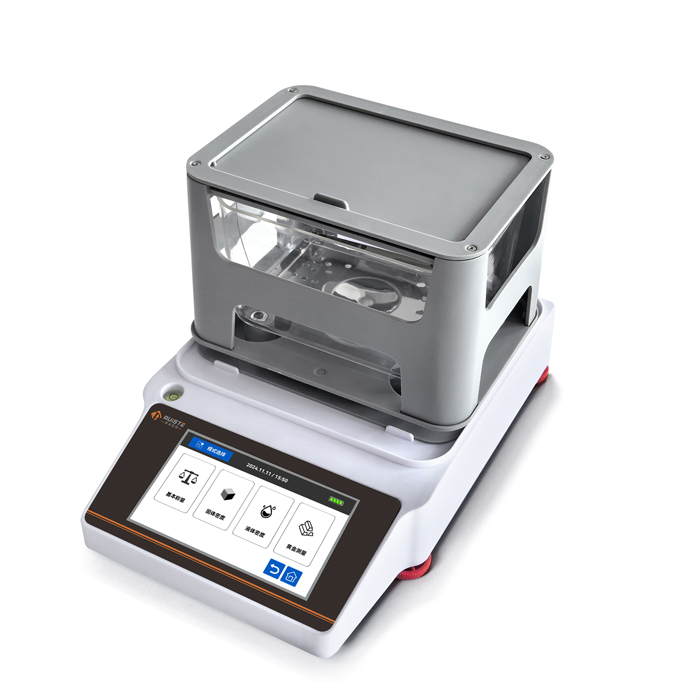
A complete electronic weighing scale is composed of a variety of mechanical and electronic components that cooperate with each other, and each component plays an irreplaceable role in ensuring the overall performance of the equipment. In terms of mechanical structure, the equipment mainly includes a weighing platform, a load-bearing base, and a shock absorption and anti-slip structure. The weighing platform is in direct contact with the measured object, usually made of high-strength stainless steel or engineering plastic materials, which has good pressure resistance, corrosion resistance, and flatness to ensure uniform force on the object. The load-bearing base is responsible for fixing the load cell and supporting the overall equipment, with a stable structural design to avoid tilting and shaking during weighing. The shock absorption structure can effectively offset the vibration interference from the ground and the external environment, preventing vibration from causing signal jitter and affecting measurement accuracy. In terms of electronic structures, in addition to the core load cell, signal conditioning circuit, analog-to-digital converter, and microprocessor, it also includes a display module, a key control module, a power supply module, and a data transmission interface. The coordinated operation of all mechanical and electronic components ensures the stability, accuracy, and durability of the electronic weighing scale in long-term use.
Electronic weighing scales can be divided into multiple types according to different application scenarios, measurement ranges, and precision levels, covering all weighing needs from low-precision daily measurement to high-precision professional measurement. Household electronic weighing scales are the most widely used type in daily life, including body scales, kitchen scales, and portable mini scales. Household body scales focus on meeting daily physical condition monitoring needs, with a moderate measurement range and simple operation, and most products are equipped with lightweight and portable designs. Kitchen electronic scales are designed for food production and ingredient proportioning, with relatively high precision requirements for small weight measurement, which can accurately capture tiny weight changes of ingredients to meet the needs of family baking, cooking and dietary management. Commercial electronic weighing scales are mainly used in retail scenarios such as supermarkets, fruit stores, and farmers’ markets, with stable performance, fast response speed, and durable structure, adapting to frequent continuous weighing work in commercial scenarios. Industrial electronic weighing scales have a large measurement range and strong load-bearing capacity, suitable for heavy-duty weighing of goods in factories, warehouses, and logistics links, and can maintain stable measurement performance in complex industrial environments.

High-precision electronic analytical scales represent the top-level performance category of electronic weighing equipment, which are widely used in scientific laboratories, pharmaceutical research, chemical analysis, and precision manufacturing fields. Different from ordinary civil and commercial scales, analytical electronic scales pursue extreme measurement accuracy, capable of capturing micro-level weight changes of samples, and are often used for weighing tiny experimental samples, chemical reagents, and precision parts. This type of equipment adopts high-precision digital load cells and high-resolution analog-to-digital conversion chips, and is equipped with more sophisticated temperature compensation and anti-interference systems. In laboratory environments, tiny weight deviations may directly affect the accuracy of experimental data and research results, so high-precision electronic scales need to maintain ultra-low error rates and excellent repeatability in long-term continuous measurement. In addition, professional precision scales also have functions such as automatic zero tracking, tare peeling, and data locking, which can effectively avoid operational errors and environmental interference, providing accurate and stable data support for scientific research and precision production work.
The advantages of electronic weighing scales over traditional mechanical weighing equipment are reflected in multiple dimensions of performance, operation, and functional expansion, which is the core reason for their comprehensive popularization and application. In terms of measurement accuracy, electronic scales completely avoid the mechanical friction, pointer deviation, and balance error problems inherent in mechanical scales, and the error value is far lower than that of traditional equipment, realizing more accurate and consistent measurement results. In terms of operation experience, electronic scales adopt fully digital automatic measurement, eliminating the need for manual adjustment of balance weights and visual pointer reading, and users can directly obtain accurate digital results, which greatly simplifies the weighing operation process and improves work efficiency. In terms of functional expansion, modern electronic weighing scales break through the single weighing function of traditional equipment, and can realize tare weighing, cumulative weighing, unit conversion, data storage, and real-time data transmission. In terms of service life and stability, electronic scales have fewer mechanical wearing parts, are not easy to be affected by mechanical fatigue and deformation, and can maintain stable performance after long-term use, with lower maintenance costs and longer service cycle.
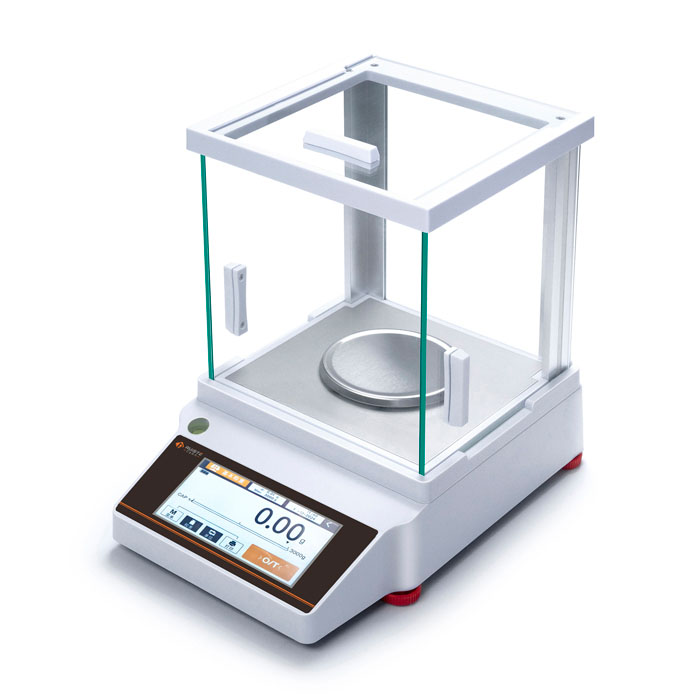
Environmental factors have a crucial impact on the measurement accuracy and working stability of electronic weighing scales, and understanding the influence of environmental changes is essential for the correct use and maintenance of the equipment. Temperature is one of the most important influencing factors; the elastic coefficient of the load cell’s metal structure and the resistance value of the strain gauge will change slightly with the fluctuation of ambient temperature, which may cause subtle measurement deviations. Although modern electronic scales are equipped with temperature compensation systems, excessive temperature differences or extreme high and low temperature environments will still exceed the compensation range and affect accuracy. Humidity also affects the working state of electronic scales; long-term high humidity environment may cause moisture erosion of internal circuit components, leading to circuit leakage and signal instability, while excessively dry environment may generate static electricity and interfere with electrical signals. In addition, air flow, ground vibration, electromagnetic radiation, and placement level will all affect the weighing effect. Strong air flow will cause floating interference on light measured objects, ground vibration will lead to signal jitter, electromagnetic radiation will interfere with the normal transmission of electrical signals, and uneven placement will cause unbalanced force on the load cell and produce systematic errors.
Standardized daily operation and scientific maintenance are key to maintaining the long-term accuracy and stable performance of electronic weighing scales, and reasonable use habits can effectively extend the service life of the equipment and reduce measurement errors. During daily use, users should first ensure that the equipment is placed on a flat, solid, and stable horizontal surface to avoid tilting and shaking caused by soft or uneven ground. Before each weighing operation, it is necessary to check the zero position of the scale, and perform zero clearing processing if there is a zero deviation, so as to ensure the benchmark accuracy of measurement. When placing the measured object, it should be placed in the center of the weighing platform as far as possible to avoid eccentric load caused by partial placement, which will lead to unbalanced force on the sensor and affect the measurement result. It is forbidden to place overweight objects beyond the measurement range on the equipment for a long time, so as to prevent permanent deformation of the load cell’s elastic structure and irreversible accuracy loss. In terms of daily maintenance, the weighing platform should be cleaned regularly to keep the surface clean and flat, avoid the accumulation of dust, stains and sundries from affecting the contact state of the measured object. The equipment should be placed in a dry, ventilated, and dust-free environment for storage, avoiding long-term exposure to humid, high-temperature, or corrosive environments.
With the rapid development of Internet of Things, intelligent sensing and digital information technology, electronic weighing scales are gradually upgrading from single weighing tools to intelligent data terminal equipment, and intelligentization has become the main development trend of the industry. Traditional electronic weighing scales only complete the basic functions of weighing and data display, while modern intelligent electronic scales integrate Bluetooth, wireless network and other data transmission modules, which can realize real-time transmission of weighing data to mobile terminals, computers and cloud platforms. This data interconnection function realizes the automatic recording, sorting and storage of weighing data, avoiding data loss and recording errors caused by manual entry, and is widely used in industrial data statistics, commercial settlement, health data monitoring and other scenarios. At the same time, intelligent electronic scales are also equipped with automatic calibration, fault self-diagnosis, and abnormal data reminder functions. The equipment can automatically detect component aging, signal abnormality and operational errors, and remind users of maintenance and adjustment, greatly improving the intelligent level and use safety of the equipment.
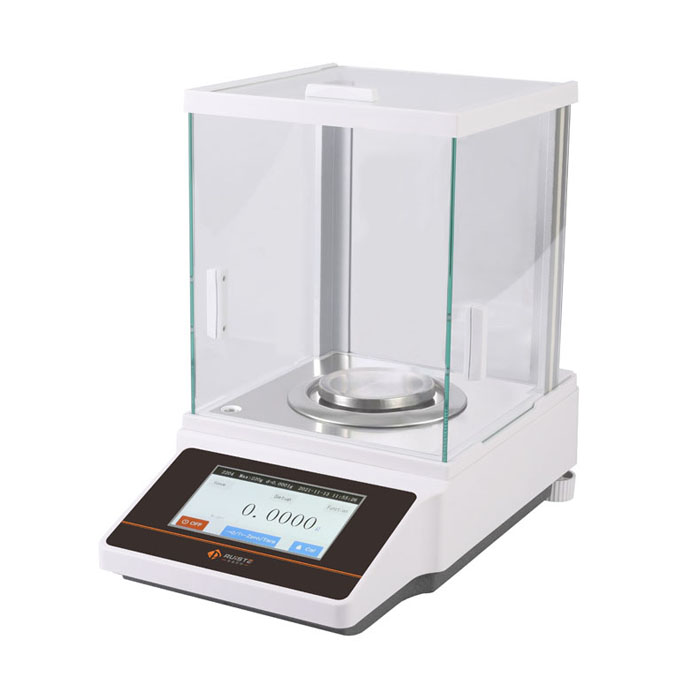
The application scope of electronic weighing scales is still expanding with the progress of social economy and technological innovation, and its supporting role in various industries is becoming increasingly prominent. In the food processing and catering industry, electronic scales ensure the accurate proportioning of food ingredients, standardize production processes, and guarantee the taste and quality consistency of food products. In the pharmaceutical and biological industry, high-precision electronic scales are used for weighing pharmaceutical raw materials and biological samples, providing accurate data support for drug research and development, production and quality testing. In the logistics and warehousing industry, large-scale electronic weighing equipment realizes rapid weighing and statistics of cargo weight, improving the efficiency of cargo sorting, transportation and inventory management. In the field of personal health management, household intelligent electronic scales can synchronously record body weight changes for a long time, helping users formulate scientific fitness and diet plans. In environmental monitoring, agricultural production, and precision manufacturing industries, electronic weighing scales also provide indispensable accurate measurement support, becoming an important basic guarantee for the standardized and precise development of various industries.
Looking at the overall development trajectory of electronic weighing scale technology, the future industry development will focus on higher precision, stronger environmental adaptability, more perfect intelligent functions and more diversified application scenarios. With the continuous breakthrough of sensor materials and microelectronic technology, the measurement accuracy of electronic scales will be further improved, and the volume of high-precision equipment will be more miniaturized, realizing the integration of ultra-precision measurement and portable use. The anti-interference and environmental adaptation capabilities of the equipment will be continuously optimized, enabling it to maintain stable and accurate measurement performance in high-temperature, low-temperature, high-humidity, strong electromagnetic interference and other complex harsh environments. The intelligent data processing and cloud interconnection functions will be further deepened, realizing big data analysis, trend prediction and intelligent early warning based on long-term weighing data, and providing more valuable data services for industrial production, scientific research and personal life. As a basic precision measurement tool, electronic weighing scales will continue to iterate and upgrade with technological progress, continuously expand their application value, and provide more solid and accurate technical support for the high-quality development of all walks of life in modern society.
Pruiste supply precision balance,analytical balance,laboratory balance,moisture analyzer,digital viscometer,weighing scale,counting scale for sale, wholesale and custom fabrication. we are a professional manufacturer and supplier of electronic balance in china.
 Chinese Mobile
 Whatsapp Service
 WeChat Service


