

 Language
Stainless steel counting scales are durable, precision digital devices designed for accurate piece counting and weight measurement. Featuring corrosion-resistant steel build and smart sensor technology, they deliver reliable, hygienic weighing for industrial, commercial and manufacturing daily operations.
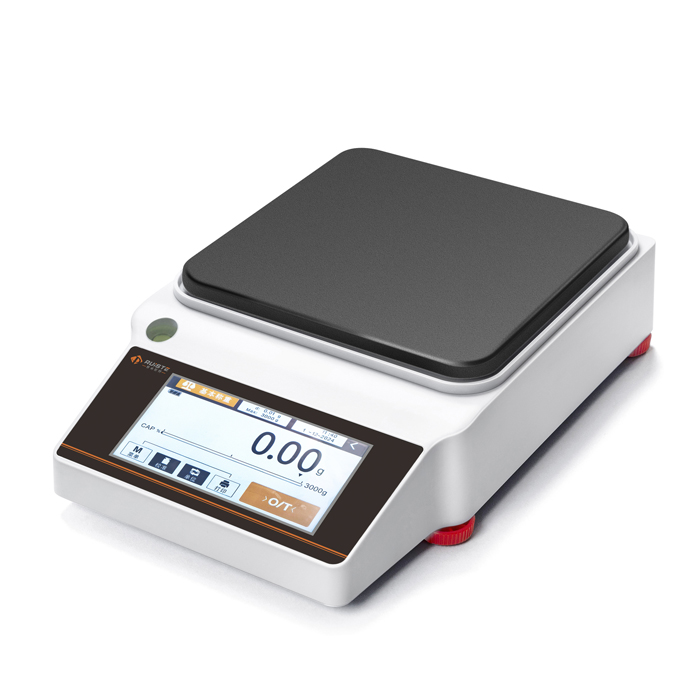
Stainless steel counting scales stand out from conventional plastic weighing tools primarily due to their premium structural construction, which caters to long-term high-frequency working scenarios. The entire weighing platform and main contact components are crafted from high-quality stainless steel material, boasting exceptional resistance to corrosion, oxidation, and mechanical wear. Unlike fragile alternative materials that are prone to rust, deformation or surface damage after short-term use, stainless steel surfaces maintain a smooth, intact texture even after prolonged contact with dust, moisture, and various common chemical residues in working environments. This sturdy build not only extends the service life of the equipment significantly but also eliminates frequent replacement and maintenance troubles brought by material aging, making it a cost-effective long-term weighing solution for various professional scenarios.
Core functional design focuses on high-precision piece counting and consistent weight detection, which are the core values of this type of scale. Equipped with sensitive built-in sensing modules, the scale can quickly capture tiny weight changes of placed items, realizing accurate counting of small parts, accessories, and bulk homogeneous goods. It supports flexible sampling counting modes, allowing users to set reference weights through a small number of sample items, after which the device can automatically calculate the total quantity of stacked goods. Whether counting tiny electronic components, hardware screws, or medium-sized industrial parts, it maintains stable and error-minimized counting results, effectively avoiding manual counting errors that are common in traditional manual operations.
Hygiene and easy cleaning performance make stainless steel counting scales highly suitable for hygiene-sensitive working fields. The seamless and smooth stainless steel surface leaves no hidden gaps for dust, debris or residual materials to accumulate, enabling thorough cleaning with simple wiping, water flushing or mild disinfectant cleaning. This cleaning-friendly feature prevents bacterial growth and cross-contamination, which is crucial for scenarios requiring strict sanitary control. Unlike scales with porous or textured surfaces that are difficult to clean thoroughly, its integrated steel structure ensures long-term sanitary conditions, meeting the daily hygiene management needs of various standardized working spaces.
The device features user-friendly operational logic and intuitive display systems to lower the threshold of daily use. It is fitted with a high-definition backlit display screen that clearly shows real-time weight data, calculated quantity values and working status indicators, ensuring readable data even in dim or bright light environments. Simple physical function buttons cover core operations including zero reset, tare subtraction, sample setting and data locking, allowing operators to master basic operations quickly without professional training. The tare function is particularly practical, which can automatically deduct the weight of containers, packaging boxes or trays, ensuring that the final counted and weighed data only reflects the net weight and actual quantity of target items.
Stainless steel counting scales boast excellent environmental adaptability and can work stably in complex working conditions. They can resist the interference of slight temperature changes, air humidity and minor vibration in conventional working environments, maintaining stable sensing and data output without obvious data drift. The reinforced base structure effectively buffers slight vibration generated by on-site equipment operation, preventing inaccurate data caused by platform shaking. Whether in dry and dusty warehouse storage areas, humid production workshops or clean sorting spaces, the scale can maintain consistent working performance, adapting to diverse indoor working scenarios.
In industrial production and processing links, this counting scale has become an indispensable auxiliary tool for material management and quality control. Production teams use it to count bulk spare parts, assembly accessories and finished products, ensuring accurate matching of material usage in each production link and avoiding material waste or shortage caused by quantity deviation. It also supports batch counting inspection of finished products, helping staff quickly check whether the quantity of packaged products meets specifications, effectively reducing the rate of missing packaging and wrong packaging in mass production and improving overall production standardization.
Commercial warehousing and logistics industries also benefit greatly from the practical functions of stainless steel counting scales. In goods sorting, inventory checking and batch shipment inspection work, the scale can efficiently complete quantity statistics of homogeneous bulk goods. Compared with slow and error-prone manual counting, the intelligent counting function greatly improves inventory efficiency, shortens the time required for regular warehouse stocktaking, and ensures the accuracy of inventory data. Its durable steel structure can withstand frequent handling and repeated use in high-intensity logistics work, avoiding equipment damage caused by frequent mobile operations.
The equipment’s portable and flexible design further enhances its application versatility. Most models adopt a lightweight integrated structure while ensuring structural rigidity, which is convenient for staff to move and place the scale freely between different workstations. It supports multiple power supply modes including wired continuous power supply and rechargeable battery power supply, enabling normal use in working areas without fixed power interfaces. This flexible power supply design and portable body structure make it adaptable to fixed desktop operation and temporary mobile operation, meeting the diversified use needs of different working links.
Long-term stability and low maintenance cost are prominent advantages of stainless steel counting scales in long-term use. The stainless steel body will not rust or deform under normal use conditions, and the precision sensing components are optimized for anti-interference and anti-aging treatment, ensuring long-term stable working accuracy without frequent calibration. Daily maintenance only requires regular surface cleaning and simple power inspection, without complex professional maintenance operations. This low-maintenance feature reduces daily operation and management costs for enterprises and improves the continuity and stability of on-site weighing and counting work.
Compared with traditional weighing equipment that only supports single weight measurement, stainless steel counting scales integrate dual functions of precision weighing and intelligent counting, realizing one-machine multi-purpose. It can complete both weight detection and quantity statistics in a single operation, simplifying the working process of staff and improving the overall efficiency of material inspection, inventory and production statistics. Its comprehensive performance breaks the limitation of single-function weighing tools, providing more efficient and convenient data support for daily operational management of various industries.
With the continuous improvement of industrial and commercial operation standardization, the demand for high-precision, durable and hygienic counting and weighing equipment is constantly rising. Stainless steel counting scales perfectly fit the current market demand for efficient and standardized operational tools with their excellent material performance, stable precision and practical functional design. It will continue to play an important role in production, warehousing, sorting and quality inspection links, becoming a reliable basic equipment to support standardized and efficient operational management in various industries.
Pruiste supply precision balance,analytical balance,laboratory balance,moisture analyzer,digital viscometer,weighing scale,counting scale for sale, wholesale and custom fabrication. we are a professional manufacturer and supplier of electronic balance in china.
 Chinese Mobile
 Whatsapp Service
 WeChat Service


