

 Language
Stainless steel weighing scales are durable, hygienic, and high-precision measuring tools suitable for home, commercial, and industrial use. Featuring corrosion resistance and easy-clean surfaces, they deliver stable accurate readings for diverse daily and professional weighing tasks.
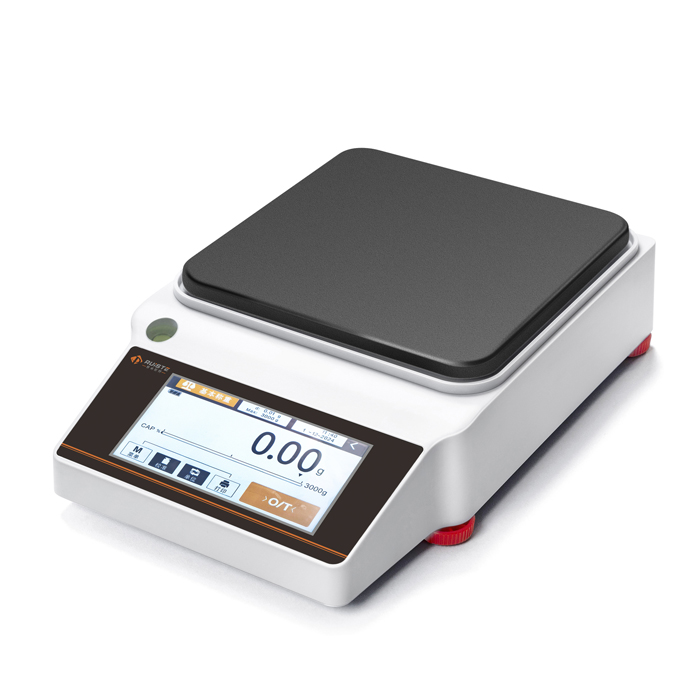
Stainless steel weighing scales have emerged as a preferred weighing solution across countless scenarios, primarily thanks to the unique physical and chemical properties of their core stainless steel material. Unlike ordinary plastic or iron weighing scales that are prone to aging, rust, and surface damage after long-term use, stainless steel construction effectively resists daily wear, moisture erosion, and contact with common corrosive substances. This fundamental advantage enables the scales to maintain a complete and smooth surface even after years of frequent operation, avoiding surface peeling, deformation, or rust spots that may affect weighing accuracy. Whether placed in dry indoor spaces or humid, splash-prone environments, the structural integrity of the scale remains stable, laying a solid foundation for long-term consistent weighing performance. The smooth, seamless surface of stainless steel also eliminates tiny gaps where dust, dirt, or residual materials can accumulate, which is a key reason why these scales outperform traditional alternatives in practical usability and service life.
Accurate and stable weighing performance defines the core practical value of stainless steel weighing scales, meeting the precise measurement needs of both casual daily use and rigorous professional work. Equipped with high-sensitivity internal sensing components matched with a flat, firm stainless steel weighing platform, these scales can quickly capture weight changes and output consistent, reliable measurement data. The rigid stainless steel platform avoids the slight deformation and shaking that often occurs with flexible or thin material platforms during weighing, which effectively prevents data deviation caused by structural instability. Most models are integrated with practical functional designs such as automatic zero calibration, tare subtraction, and overload protection. The tare function allows users to deduct the weight of containers, packaging, or accessories effortlessly, obtaining the net weight of target items with one click, which greatly improves operational efficiency. Automatic zero calibration corrects minor offset errors caused by placement changes or residual dust, ensuring each measurement is accurate and repeatable.
The environmental adaptability of stainless steel weighing scales far exceeds that of ordinary weighing equipment, enabling stable operation in complex and harsh working conditions. Many working scenarios involve variable environmental factors such as dust, water splashes, temperature changes, and occasional chemical contact, which can easily interfere with the normal operation of ordinary scales and shorten their service life. Stainless steel’s natural corrosion resistance and waterproof and dustproof properties allow the scales to work stably in wet processing workshops, dusty warehouse environments, and open commercial service areas. They can withstand frequent temperature fluctuations in daily use without performance attenuation, avoiding inaccurate readings or component failure caused by extreme temperatures. Additionally, the sturdy overall structure can resist slight external collisions and vibration interference during weighing, maintaining platform stability and measurement accuracy even in busy, high-traffic working environments.
In commercial application scenarios, stainless steel weighing scales have become a basic essential tool for various retail and service industries due to their reliability and convenience. Fresh food supermarkets, specialty grocery stores, deli shops, and farmers’ markets all rely on these scales to weigh fruits, vegetables, meat, seafood, and bulk grain products. For commercial merchants, accurate weighing is not only the basis of fair transactions but also an important part of standardized business operations. The durable stainless steel structure can cope with high-frequency daily use, dozens or even hundreds of weighing operations every day, without frequent failure or accuracy drift. The intuitive digital display design allows users to read weight data clearly and quickly, improving transaction efficiency and customer experience. Moreover, the easy-clean design greatly reduces the daily maintenance workload of merchants, saving time and labor costs spent on equipment cleaning and upkeep.
Industrial and processing fields put forward higher requirements for the load-bearing capacity and durability of weighing equipment, and stainless steel weighing scales fully meet the heavy-duty and long-term operation needs of industrial scenarios. In food processing, pharmaceutical production, chemical raw material proportioning, and logistics warehousing industries, scales need to bear heavy loads and adapt to continuous batch weighing work. High-strength stainless steel materials provide excellent load-bearing performance, supporting stable measurement of items from small precision accessories to large bulk materials. The anti-corrosion feature is particularly critical for chemical and pharmaceutical industries, where scales often contact mild corrosive reagents and raw materials; stainless steel can resist chemical erosion and maintain structural and functional stability for a long time. In logistics and inventory management, these scales assist enterprises in accurately counting goods weight, standardizing inventory data, and improving the refinement of warehouse management.
Household usage scenarios fully reflect the humanized design and practicality of stainless steel weighing scales, bringing convenience to refined family life. Modern families pay increasing attention to dietary health, baking production, and scientific ingredient proportioning, which puts forward precise weighing demands for daily cooking. Stainless steel household scales are compact in size, light in weight, and easy to store, occupying little kitchen space while being convenient to carry and place. The precise measurement function meets the fine proportioning needs of baking cakes, bread, and desserts, as well as the quantitative weighing of healthy diet ingredients, helping users control food intake and make standardized gourmet production. The waterproof and oil-proof surface can adapt to the complex oil fume and humid environment of the kitchen, and accidental water splashes or oil stains can be cleaned instantly, effectively avoiding equipment damage and dirt accumulation, perfectly matching daily kitchen use habits.
The low maintenance cost and long service life of stainless steel weighing scales bring significant economic advantages to individual users and enterprise users alike. Ordinary weighing equipment often faces problems such as surface rust, shell aging, component sensitivity decline after a period of use, requiring frequent maintenance, adjustment, or even replacement. In contrast, stainless steel weighing scales have extremely strong anti-aging and anti-wear capabilities, with the scale body maintaining a new-like state for a long time after long-term use. The internal precision components are protected by the sturdy stainless steel shell, reducing the impact of external environmental interference and physical damage. Daily maintenance only requires regular surface cleaning and simple zero check, without complex professional maintenance operations. The low failure rate and long service cycle greatly reduce the frequency of equipment replacement and after-sales maintenance costs, realizing higher cost performance in long-term use.
The operational simplicity of stainless steel weighing scales makes them suitable for users of all age groups and professional levels, with extremely high practical inclusiveness. Most stainless steel weighing scale models adopt a simplified human-computer interaction design, with clear display screens and intuitive functional keys. Users can quickly master basic operations such as startup, zero clearing, tare weighing, and unit switching without professional training or complicated operation tutorials. The high-definition digital display presents weight data clearly, avoiding blurred or flickering numbers that affect reading. Some models also support multiple unit switching, adapting to different usage habits and diverse measurement needs in different scenarios. Whether it is elderly users in family scenarios or novice operators in commercial and industrial scenarios, they can complete accurate weighing operations efficiently, greatly improving the popularization and application value of the equipment.
With the continuous upgrading of weighing technology, modern stainless steel weighing scales have integrated more intelligent and user-friendly optimized designs on the basis of maintaining traditional advantages. Many upgraded models are equipped with automatic power-off functions, which can automatically cut off power after a period of inactivity to save electric energy and extend battery life, bringing convenience to daily household and unattended commercial use. The optimized sensor response technology shortens the weighing stabilization time, enabling the equipment to quickly lock accurate weight data and improve overall work efficiency. Meanwhile, the anti-slip design at the bottom of the scale body effectively prevents sliding during weighing, ensuring the stability of the equipment and further improving the accuracy of measurement results. These subtle optimizations make stainless steel weighing scales more adaptable to modern efficient and refined usage needs.
As a versatile, durable, and hygienic weighing tool, stainless steel weighing scales have irreplaceable advantages in home, commercial, and industrial fields. Their excellent corrosion resistance, easy-clean hygiene performance, stable precision measurement, and strong environmental adaptability make them stand out from various traditional weighing equipment. With simple operation, low maintenance cost, and long service life, they can meet the diversified and refined weighing needs of different scenarios. As people’s requirements for measurement accuracy, equipment hygiene, and service durability continue to improve, stainless steel weighing scales will maintain broad application prospects and become a standard essential measuring tool in more industries and family life scenarios.
Pruiste supply precision balance,analytical balance,laboratory balance,moisture analyzer,digital viscometer,weighing scale,counting scale for sale, wholesale and custom fabrication. we are a professional manufacturer and supplier of electronic balance in china.
 Chinese Mobile
 Whatsapp Service
 WeChat Service


