

 Language

Shop precision balances wholesale for labs, QC and research. Stable, high-accuracy digital weighing balances with data output and draft shield options for bulk procurement.
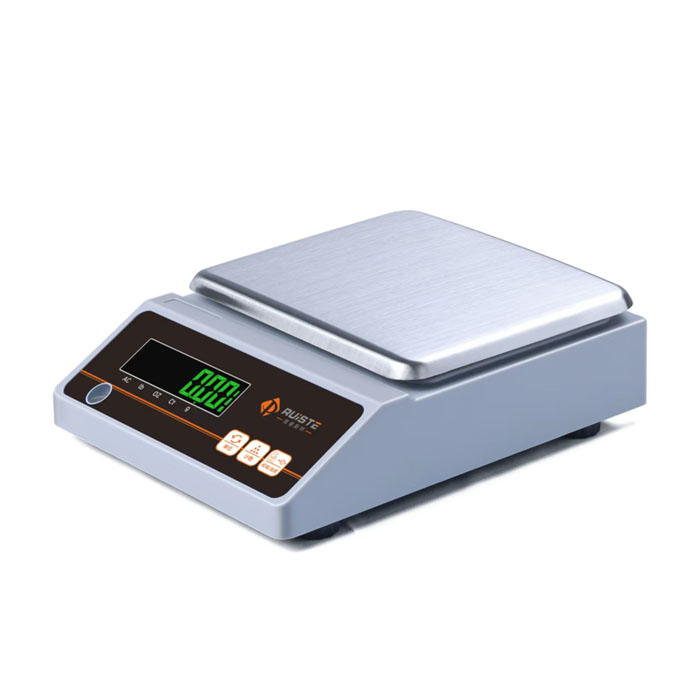
Precision balances stand as foundational measuring instruments across countless operational settings where reliable mass readings form the backbone of daily workflows. These devices are engineered to capture minute differences in weight that ordinary scales cannot detect, delivering consistent readouts for tasks that demand careful attention to every small variable. Wholesale sourcing of precision balances creates a practical pathway for buyers who need multiple units to outfit separate workstations, shared laboratories, production lines, or educational facilities. Rather than purchasing instruments one at a time, bulk procurement streamlines the ordering process and helps teams maintain uniform equipment performance across an entire site. Many buyers seek these balances to replace aging hardware that has begun to drift in accuracy, or to expand capacity as workloads grow and new projects launch. Each unit built for wholesale distribution adheres to core functional principles, with stable load platforms, responsive internal sensors, and clear display interfaces that make routine operation straightforward for trained staff. Users rely on these tools to reduce human error during weighing, ensuring that every measured sample or component aligns with the expectations set for their work. The versatility of this equipment means it can adapt to many different routine tasks without requiring extensive modification or complicated setup before use.
When exploring wholesale options for precision balances, it is important for buyers to consider the core functional features that will match their intended use cases. Capacity and readability sit among the most critical considerations, as different applications require vastly different measurement ranges and sensitivity levels. Some operations work primarily with very light samples, requiring balances that register tiny mass increments, while others need models that support heavier loads without sacrificing overall stability. Additional features such as draft shields become valuable in environments where moving air can disrupt readings, protecting the weighing chamber from airflow that would skew results. Leveling mechanisms are another integral component, since even minor tilting of the instrument can introduce measurable deviations over repeated use. Wholesale suppliers typically maintain a broad selection of configurations to accommodate these varied needs, avoiding a one-size-fits-all approach that would leave many buyers with mismatched equipment. Connectivity functions also appear on many modern models, allowing measurement data to transfer directly to external systems for logging, analysis, or record keeping. These built-in capabilities cut down on manual note taking and lower the chance of transcription mistakes when teams handle high volumes of samples each day.
The practical benefits of wholesale procurement extend beyond simple convenience, creating meaningful advantages for organizations managing multiple weighing stations. Consolidating orders for several precision balances simplifies coordination around delivery, inspection, and staff training schedules. Receiving a batch of instruments from the same supply line means teams can establish consistent operating procedures, rather than adapting to disparate controls and display layouts from separate purchases spread over time. Bulk orders also support coordinated maintenance planning, as service cycles and replacement part inventories can be organized around matching hardware models. For facilities undergoing staged upgrades, wholesale arrangements can allow phased delivery schedules that align with renovation timelines or staffing shifts, preventing unused equipment from sitting idle for long periods. This flexibility helps buyers balance their operational needs against storage constraints and onboarding capacity. Many teams also find that standardized equipment makes cross-training easier, since staff can move between workstations without learning entirely new operating workflows. This consistency builds confidence among operators, who grow familiar with the behavior and response of the balances they use every day.
Careful environmental assessment is essential before deploying precision balances purchased through wholesale channels, as surrounding conditions directly impact long-term measurement reliability. These sensitive instruments perform best in locations shielded from excessive vibration, sudden temperature swings, direct sunlight, and fluctuating humidity. Vibrations from nearby machinery, foot traffic, or building systems can create constant background interference that slows response times and introduces inconsistency in readings. Rapid changes in temperature affect the internal components of the balance, causing gradual shifts that become noticeable over repeated measurements. Work surfaces must be solid, level, and dedicated to weighing tasks, free from heavy equipment that transmits movement through the bench. Even seemingly minor factors such as heating vents, open windows, or frequently opened doors can create air currents that interfere with unshielded weighing chambers. Buyers planning a wholesale rollout should map out placement locations ahead of delivery, preparing suitable bench space and adjusting surrounding conditions wherever possible. Taking these steps protects the investment in multiple units, preserving accuracy and extending the usable life of every balance within the order.
Handling, unpacking, and initial setup follow a specific sequence to protect precision balances after they arrive as part of a wholesale shipment. Because internal sensing assemblies are delicate, each unit requires gentle handling during transport and placement, with care taken to avoid sharp impacts or jostling that could misalign internal parts. After unpacking, operators should allow the instruments to acclimate to room conditions before powering them on, giving materials time to adjust to ambient temperature. Leveling checks come next, using the built-in indicators and adjustment feet to bring the unit into proper alignment. Routine calibration is a necessary step before first use, following the procedure outlined for the specific model to confirm readings settle within the expected range. Even new balances leaving production can experience minor shifts during transit, so skipping this step risks relying on unvalidated measurements from the start. When setting up dozens of units from a wholesale order, supervisors can create a standardized checklist so every balance receives the same careful inspection and preparation. This uniform process reduces the risk that one or two units enter service without proper validation, creating hidden sources of error within the workflow.
Ongoing maintenance practices play a key role in preserving the performance of precision balances bought in wholesale quantities, supporting reliable operation across years of regular use. Basic upkeep begins with regular cleaning of the weighing pan and surrounding chamber, removing dust, spilled sample material, and residue that can accumulate and add unintended mass. Cleaning materials must be chosen carefully to avoid scratching surfaces or damaging sensitive components, with dry or lightly damp cloths preferred for most routine wiping. Operators should avoid placing overly hot or cold items directly onto the weighing pan, as thermal shock stresses the internal structure and distorts measurements. Scheduled verification checks help track performance over time, identifying slow drift before it creates meaningful problems for results. For organizations with many balances in service, rotating routine checks across units ensures no single instrument goes unmonitored for too long. Simple visual inspections also catch early signs of wear, such as sticky leveling feet, damaged draft shield panels, or worn display covers. Establishing shared maintenance protocols across all stations helps teams sustain the value of the wholesale purchase and prevent premature equipment failure.
Training for operators is just as important as equipment quality when integrating multiple precision balances acquired through wholesale arrangements into daily workflows. Even intuitive instruments can produce unreliable data if staff misunderstand proper weighing technique or ignore environmental influences. Effective training covers core practices such as allowing readings to stabilize before recording values, avoiding contact with the sample while it sits on the pan, and recognizing warning indicators on the display. Teams also learn to identify common sources of error, including static buildup on dry samples that can attract particles and alter measured weight. When many new balances enter a facility at once, group training sessions make efficient use of time, teaching consistent habits to all users simultaneously. Supplemental quick-reference guides at each workstation reinforce key steps and reduce reliance on memory during busy shifts. Experienced operators can also act as peer mentors, supporting newer team members and helping maintain uniform standards across every weighing station. Investing in this training ensures that the capabilities built into each balance are fully realized, rather than limited by inconsistent user technique.
Wholesale sourcing of precision balances also supports flexible scaling for businesses and institutions that experience shifting demand over time. Seasonal surges in testing, expanded research projects, growing production batches, or new training cohorts can all create sudden needs for extra weighing capacity. Maintaining a working relationship with suppliers that offer wholesale options allows buyers to add matching units later, keeping the equipment fleet consistent without switching to unfamiliar models. This approach avoids the fragmentation that happens when replacement or additional balances come from different product lines with different controls and specifications. Some buyers choose to keep a small number of spare units on hand from wholesale orders, ready to replace a balance that requires off-site servicing. This reserve minimizes workflow disruption, since a spare can go into place quickly rather than waiting for a separate retail order to ship. Planned scaling also supports long-term budgeting, as organizations can forecast bulk purchases and align them with scheduled capital cycles. The ability to expand thoughtfully keeps weighing operations responsive and resilient amid changing operational requirements.
Evaluating wholesale suppliers for precision balances requires attention to support structures that accompany each instrument beyond the point of sale. A dependable supplier provides clear guidance on operating requirements, typical performance characteristics, and troubleshooting steps for common minor issues. Accessible support channels help buyers resolve questions during deployment, especially when rolling out a large number of units at once. Suppliers with deep familiarity with these instruments can also offer direction on accessory compatibility, including replacement pans, draft shield parts, and power adapters suited for continuous operation. While product quality remains central, consistent support reduces the burden on internal technical teams who may lack specialized knowledge of precision weighing hardware. Buyers often prioritize suppliers that maintain steady stock of the selected models, so future replenishment orders move smoothly and match existing equipment. Transparent communication around lead times, packaging standards, and shipment handling also helps prevent surprises when large wholesale consignments are on the way. These supporting factors shape the overall experience as much as the quality of the balances themselves.
Looking ahead, the role of wholesale precision balances continues to grow as more fields depend on precise mass measurement to guide decision making and output quality. As operational workflows become more data-driven, the demand for stable, repeatable weighing instruments remains steady across many different sectors. Wholesale models fit naturally into this landscape by making standardized, capable hardware accessible for sites that need multiple synchronized measurement points. Improvements to sensor design, user interfaces, and data transfer functions keep modern precision balances evolving, while the core purpose stays unchanged: delivering trustworthy weight readings for careful work. For buyers, thoughtful wholesale selection combines clear definition of measurement needs, careful site preparation, consistent operator training, and sustainable maintenance routines. When all these elements come together, a fleet of precision balances becomes a dependable foundation for daily operations, supporting accurate work day after day. The value of this approach lies not only in the instruments themselves, but in the stable, consistent measurement ecosystem that wholesale procurement makes possible for teams of all sizes.
Pruiste supply precision balance,analytical balance,laboratory balance,moisture analyzer,digital viscometer,weighing scale,counting scale for sale, wholesale and custom fabrication. we are a professional manufacturer and supplier of electronic balance in china.
 Chinese Mobile
 Whatsapp Service
 WeChat Service


